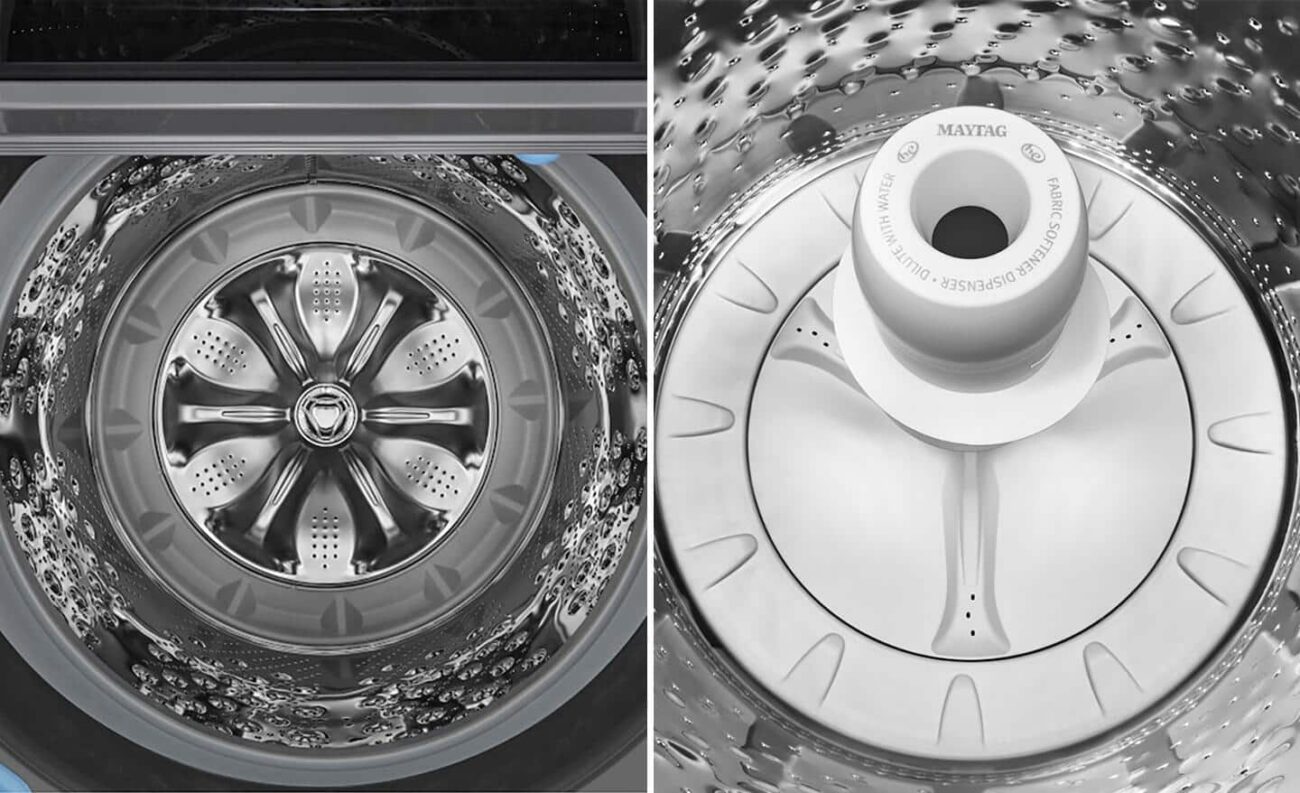
Ever wondered what sets some washing machines apart from others when it comes to cleaning? It often boils down to this unsung hero—the impeller. So, what is an impeller in a washing machine exactly? Unlike the old-school agitator that thumps clothes around like a college party dancer, an impeller spins and moves laundry gently yet effectively. It’s a low-profile disc at the bottom of the washer that whips water and clothes around, creating currents that scrub without harsh tangling.
This mechanism leaves your fabrics fresher and less worn out, sparing your favorite t-shirts from early retirement. Curious? Let’s break it down further.
How Does an Impeller Work? 🌊
Imagine a small, smooth disc with fins or ribs at the washer’s base. When activated, this impeller rapidly rotates, creating a tumultuous water flow. Unlike agitators, which have a central post that physically moves clothes, impellers create a gentle swirling action. This generates turbulence that’s tough on dirt but kind to fabric.
The result? Thorough cleaning with minimal wear.
Impeller vs. Traditional Agitator: The No-Nonsense Comparison
| Feature | Impeller | Agitator |
|---|---|---|
| Fabric Care | Gentle | Harsh |
| Water Usage | Low | High |
| Cleaning Efficiency | Effective for light to moderate stains | Good for heavy-duty stains |
| Energy Consumption | Lower | Higher |
| Noise Level | Quieter | Louder |
These differences explain why many modern washers opt for impellers. They excel in energy savings and gentle cleaning, accommodating today’s delicate fabrics and environmental concerns.
Why A Professional Opinion Matters
“Choosing between an impeller and an agitator depends largely on your laundry habits and fabric types. If you’re like Joe, running a boutique T-shirt printing business downtown, you want an impeller for delicate care and energy savings,” says appliance expert Linda Perez. 💡
Maintaining Your Impeller Washing Machine for Longevity
- Regularly clean the impeller blades to prevent residue buildup that strains the motor.
- Use recommended detergents to avoid foam overflow and clogs.
- Inspect seals and gaskets around the impeller to prevent leaks.
- Run maintenance cycles with washing machine cleaner monthly.
DIY Troubleshooting Tips Before Calling a Technician
- Check for unbalanced loads causing vibrations.
- Inspect for foreign objects stuck under the impeller.
- Ensure water supply valves are fully open.
- Reset the machine’s control panel if error codes appear.
If these steps don’t help, professional repair is necessary to avoid damage.
Want a directly comparable video explaining these mechanisms? Exploring the impeller vs. agitator machine difference gives clear, hands-on demos that’ll save you confusion in the laundry aisle.
Environmental Benefits of Using Impeller Washers in 2026
These machines use less water — a win for drought-prone areas. They also consume less power, pushing your energy bill down. Plus, gentler cleans mean your clothes last longer, reducing textile waste. It’s a practical step every household should consider today.
The Future of Impeller Technology
Manufacturers are incorporating AI sensor technologies that customize wash cycles per load type and weight. Imagine your washer predicting and optimizing efficiency without a finger lift. The impeller design is indispensable to this evolution, offering the agility modern sensors require to adjust water flow quickly. Check this detailed breakdown of current impeller innovations and how they’re reshaping laundry care.
When to Repair or Replace Your Impeller
- Persistent vibration despite balanced loads
- Failure to agitate water properly
- Visible cracks or damage on the impeller blades
- Recurring error codes related to washing performance
A worn or damaged impeller can compromise your washing machine’s function drastically. Always consult an expert when unsure.
Curious about the technical side? The nuances of impeller movement versus agitator action are also well covered in this YouTube discussion featuring appliance engineers explaining efficiency tradeoffs.
To wrap it up, understanding what an impeller in a washing machine is gives you the power to choose the right washer, keep it in good shape, and save money and the planet while at it. Remember, it’s the gentle spin at the heart of modern efficiency and fabric care — don’t overlook it!

Source: www.youtube.com
:strip_icc()/BHG-Washing-Machine-Impeller-vs-Agitator_612619232-_463069271-c19dcc2c76f9479e99a39a51b771d4ee.jpg "What Is A Impeller In A Washing Machine 3")
Source: www.bhg.com
Frequently Asked Questions
What distinguishes an impeller washing machine from one with an agitator?
Impeller machines use a low-profile disc that gently moves clothes with water currents, reducing wear and water use. Agitators have a central post that moves clothes more roughly.
Are impeller washing machines better for delicate fabrics?
Yes, their gentler swirling action prevents damage and tangling, ideal for delicate or mixed fabric loads.
Can I replace an agitator washer with an impeller model in the same space?
Usually yes, but check dimensions; impeller washers often have different tub designs affecting capacity and installation.
How do I clean and maintain the impeller in my washing machine?
Routine cleaning of the impeller blades, using appropriate detergents, and running monthly maintenance cycles help keep it efficient.
What are common signs my impeller might be broken or damaged?
Unusual vibrations, loud noises, poor cleaning results, or visible damage to the impeller blades indicate a problem requiring service.
Does an impeller washing machine save energy compared to others?
Yes, impeller washers generally consume less water and energy thanks to their efficient water movement and shorter cycles.
Where can I learn more about impeller and agitator differences?
Expert videos like the one comparing impeller vs. agitator washers offer detailed insights for prospective buyers.

With over 15 years of hands-on experience in the appliance repair industry, Erick Jackson is WashingMachineCare’s resident gearhead. He holds multiple manufacturer certifications and specializes in breaking down complex mechanical failures into easy, step-by-step DIY fixes. When he’s not covered in grease, Erick Jackson enjoys restoring vintage washing machines to their former glory.