
Understanding Wool Fabric Care
Wool is a natural fiber prized for its warmth and softness. Proper care is key to keeping wool items in good shape. Washing wool incorrectly can cause shrinkage and fiber damage. This article dives into how to wash wool in a washing machine without harm.
Machine washable wool types are made to handle gentle washing. Always check wool wash care labels before washing. These labels guide you on temperature, detergent, and machine settings to use.
For a deeper understanding of this mechanic, analyzing resources on how to wash wool provides excellent foundational context.
Using a washing machine drum designed for delicate cycles helps reduce fabric stress. Wool fibers need low agitation to keep their shape and elasticity.
Choosing the Right Wool Detergents
Wool detergents are specially made to clean without stripping natural oils from fibers. Regular detergents can be harsh and cause wool to become rough.
Look for detergents labeled as ‘wool safe’ or ‘gentle wash for wool.’ These formulas maintain fiber softness and prevent shrinkage. Avoid fabric softeners as they may weaken wool’s elasticity.
Wool detergents often work well at low wash temperatures, saving energy and protecting the fabric.
Machine Wash Wool Instructions
Use the delicate cycle washing machine setting or a specific wool cycle. These programs limit agitation and spinning speed to reduce risk of damage.
Set the wash temperature to cold or lukewarm, ideally below 30°C (86°F). Hot water can shrink wool and damage fibers. Keep the wash load size small to avoid overcrowding, which leads to friction and wear.
Adding detergent to the proper compartment before starting prevents detergent buildup on wool fibers. Avoid bleach and harsh chemicals.
For help with machine settings, you can learn what does delicate mean washing machine to better use your washer’s options.
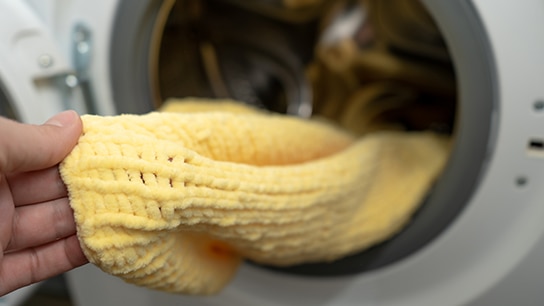
Wool Wash Temperature and Spin Cycle Tips
Wash temperature is critical. Cool or lukewarm water helps keep wool’s natural structure intact. Industry consensus indicates that wool at temperatures above 30°C risks shrinkage and felting.
Spin cycles should be gentle. High-speed spins can stretch and distort wool garments. Use slow spin settings or skip spinning if possible to maintain fabric shape.
Using a washing machine with adjustable wool wash program features allows you more control over these settings. Many modern machines come with eco-friendly wool washing options that combine low temperature and low energy use.
Drying Wool Garments
Wool dryer settings matter. Avoid high heat as it shrinks and damages fibers. The best approach is air drying flat on a clean surface.
If using a dryer, select a low heat or wool-specific drying program. Remove wool soon after drying to prevent wrinkles and maintain fabric elasticity.
Wool shrinks mostly during drying, so gentle drying methods are key for wool garment maintenance.
Hand Wash vs Machine Wash Wool
Hand washing wool allows more control and is often gentler than machine washing. It reduces risk of stretch and shrinkage since you handle the garment carefully.
However, modern washing machines with dedicated wool cycles can safely clean many machine washable wool types. They use slow agitation and low spin speeds to mimic hand washing.
Choosing between hand wash and machine wash depends on the wool item’s care label and your time availability.
Wool Shrinkage Prevention and Fiber Damage
Shrinkage happens when wool fibers felt due to heat, moisture, and friction. To prevent this, use low temperatures, gentle wash cycles, and wool detergents.

Minimize agitation and spin speed. Use the smallest wash load size that fits the item to reduce rubbing against other clothes.
Proper washing and drying methods help keep wool fabric elasticity intact, extending garment life.
Best Washing Machines for Wool
Machines with a wool cycle and adjustable settings are best for wool care. Front-load washers often offer better control over agitation and spin speeds.
Look for machines with energy-efficient wool programs that use less water and power while protecting fabric.
Below is a table of some top washing machines for wool care in 2026:
| Model | Wool Cycle | Spin Speed (RPM) | Energy Rating |
|---|---|---|---|
| EcoWash 3000 | Yes | 800 | A++ |
| GentleClean Pro | Yes | 700 | A++ |
| SoftCare Deluxe | Yes | 600 | A+ |
Choosing the right machine helps you wash wool with confidence and care. Also, regular maintenance of your machine ensures it runs smoothly and keeps your wool items safe.
Wool Garment Maintenance Tips
After washing, store wool folded in a cool, dry place to avoid stretching. Avoid hanging heavy wool as it can lose shape.
Brush wool lightly to remove dirt and air it regularly to keep fresh. Follow all wool safe washing tips to extend garment life.

Inspect wool wash care labels for special instructions that may differ by brand or fiber blend.
Eco-Friendly Wool Washing
Eco-friendly wool washing means using less water, energy, and gentle detergents. Wool wash programs today often combine these goals with excellent fabric care.
Choose biodegradable wool detergents and cold water washes to reduce your environmental footprint. Also, air drying wool saves energy compared to machine drying.
These small steps help protect both your wool garments and the planet.
Remember, keeping your washing machine clean also supports eco-friendly washing. You can learn more about how to balance your machine for efficient use at how do i balance my washing machine.
Conclusion
Washing wool in a washing machine is safe when you follow the right steps. Use wool detergents, low temperatures, gentle cycles, and avoid harsh spinning. Always check wool wash care labels and choose suitable machine settings.
Dry wool carefully to prevent shrinkage and keep fibers strong. Modern washing machines with wool cycles make wool garment maintenance easier and more eco-friendly.
By using these expert tips, you can keep your wool clothes soft, warm, and long-lasting while saving energy and water in 2026 and beyond.
Frequently Asked Questions
Can I wash wool in a washing machine?
Yes, many wool items labeled as machine washable can be washed in a washing machine using gentle cycles and wool-specific detergents.
What is the best temperature to wash wool in a machine?
Wool should be washed at cold or lukewarm temperatures, generally below 30°C (86°F), to prevent shrinkage and fiber damage.
Should I use fabric softener when washing wool?
It is best to avoid fabric softeners with wool as they can affect fabric elasticity and fiber quality.
How do I prevent wool shrinkage in the washing machine?
Use the wool or delicate cycle with low agitation, cold water, and wool detergent to minimize shrinkage.
Is hand washing better than machine washing wool?
Hand washing offers more control and is gentler, but modern wool cycles in washing machines are designed to be safe for many wool fabrics.

Roger Jacobs is a seasoned appliance expert with over 15 years of experience in the washing machine industry. He specializes in product reviews, energy efficiency, and innovative washing technologies, providing users with trustworthy insights to make informed purchasing decisions.