
Understanding the Bedding Cycle on Washing Machines
The bedding cycle on washing machines is designed for large and bulky items such as bed sheets, comforters, duvets. And blankets. This setting uses more water and a gentler spin to clean without damaging delicate fabrics. It also balances the load to prevent the washer from shaking.
Using the correct bedding wash cycle ensures your linens are cleaned deeply while protecting the fabric. This cycle often runs longer than regular washes to break down dirt and remove stains effectively.
For a deeper understanding of this mechanic, analyzing resources on washing machine cycles & settings provides excellent foundational context.
Choosing the right laundry settings for bed sheets laundry and other bedding is essential for lasting fabric care and hygiene.
Machine Washable Bedding and Fabric Types
Not all bedding can be washed the same way. Check washer bedding care labels for fabric type to set the right temperature and cycle. Cotton and polyester blends usually handle warm water and gentle cycles well.
Delicate fabrics like silk or linen need cooler temperatures and possibly hand washing. Some comforters and duvets have filling types that require special duvet care instructions to avoid clumping or damage.
Understanding washing machine fabric types helps in picking the most suitable detergent and cycle. For example, a gentle cycle bedding program is best for fragile fabrics. Meanwhile, cotton linens tolerate a more robust wash.
Proper fabric care maintains the softness and longevity of your bedding.
Load Size and Balance for Washing Bedding
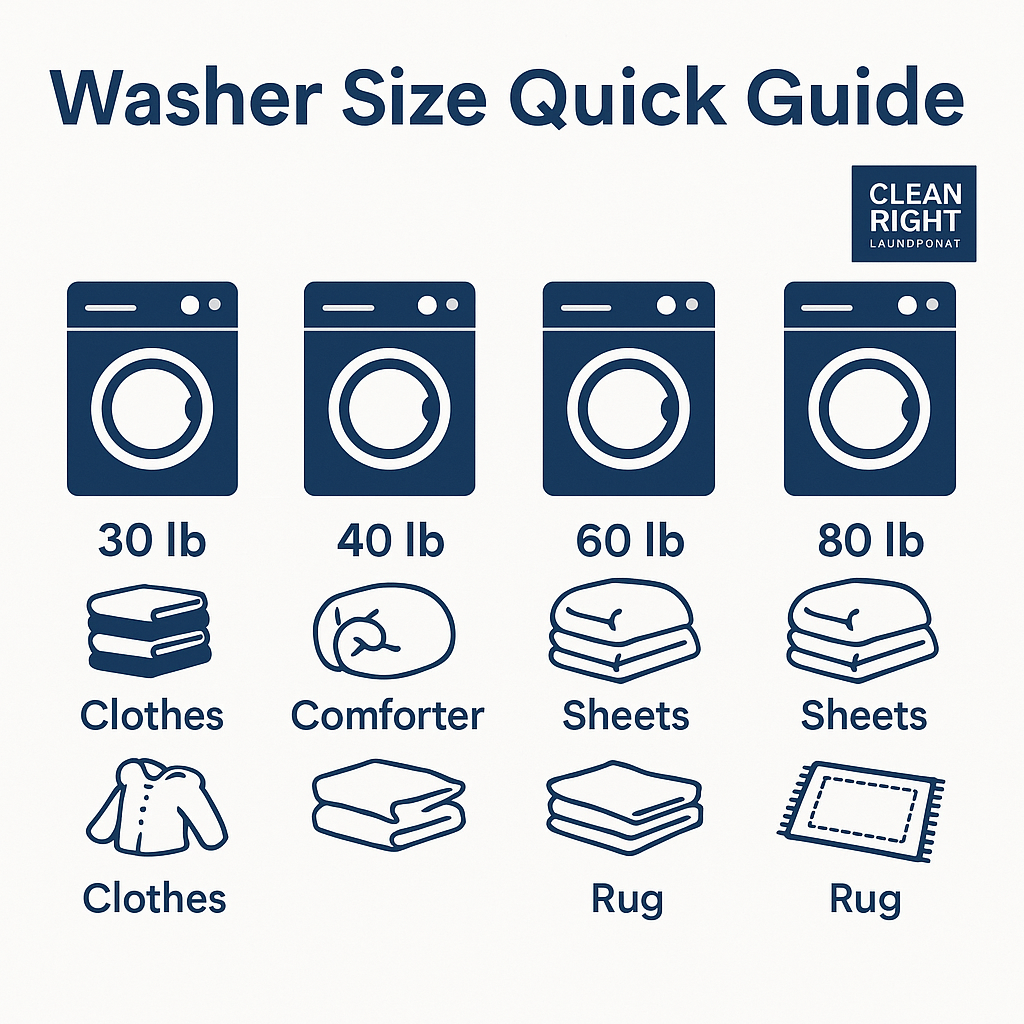
Washing bed linens and bulky bedding requires attention to washer bedding load size. Overloading can cause uneven washing and damage your machine. Too small a load may waste water and energy.
Many washers have sensors to detect load size and balance the load automatically. Load balancing washing machine technology helps reduce noise and vibration during spin cycles.
Ensuring the bedding is evenly spread inside the drum allows thorough cleaning and protects your washer’s parts. Refer to your washer’s manual for recommended bedding washing capacity to avoid issues.
Proper load management extends the life of both your washer and bedding.
Bedding Detergent Recommendations and Washing Temperature
Choosing the right detergent is key when washing bedding. Use detergents suited for bedding that remove stains effectively without harming fabric fibers. Many detergents now include enzymes that break down common stains on bed sheets and blankets.
:max_bytes(150000):strip_icc()/how-to-select-the-correct-cycle-2145866_FINAL-10d1b95640284e0a8d01d4523455c7ee-25c018a4c0304212a13315b7ab181e33.png "How to Select Washer Settings for Clothes and Towels (Figure)")
Washing bedding temperature impacts cleaning power and fabric care. Hot water kills dust mites and germs but can fade colors and shrink some fabrics. Warm water is a balanced choice for most bedding, preserving color and softness.
Cold water saves energy and prevents shrinking but may not remove all allergens. Always check the bedding care labels to select the best temperature. Using the correct detergent and temperature helps keep your bedding fresh and clean.
For expert detergent advice, consider products listed under best washing detergents for bedding.
Comforter Washing Tips and Duvet Care Instructions
Comforters and duvets are large and need special care. Use the bedding wash cycle or a gentle cycle bedding setting with plenty of water. Avoid harsh detergents that may strip down or synthetic filling.
Dry comforters thoroughly to avoid mildew. Use drying bedding tips like adding dryer balls to keep the filling fluffy. Some duvets come with removable covers. This are easier to wash frequently.
Follow specific duvet care instructions on the label to maintain warmth and softness. If unsure, professional cleaning is a safe alternative to machine washing bulky bedding.
Learn more about washing a down comforter safely with expert guides like how to machine wash a down comforter.
Stain Removal and Washing Bedding Frequency
Stains on bedding need prompt attention. Use stain removal bedding products or pre-treat spots before washing. Gentle stain removers protect fabric while lifting oils, dirt. And other marks.
Experts recommend washing bed sheets weekly to maintain hygiene. Blankets and comforters can be washed every 1 to 3 months depending on use. Pillows also need regular washing. bed pillow washing every 3 to 6 months helps reduce allergens.
Following a regular bedding washing frequency keeps your sleep environment clean and fresh. Adjust frequency for allergies or pets as needed.
For guidance on pillow care, see tips on wash pillows washing machine.
Drying Bedding Tips for Best Results
Drying bedding properly preserves fabric and comfort. Use low to medium heat and avoid over-drying to prevent damage. Dryer balls or clean tennis balls help keep comforters and duvets fluffy by breaking up clumps.
Hang drying is ideal for delicate fabrics but takes longer. Make sure bedding is completely dry before storing to prevent mold and odors.
Regularly cleaning your washing machine and dryer also improves bedding care. Keeping machines odor-free and running well supports fresh laundry results.
Drying is as important as washing in maintaining your bedding’s life and feel.
Conclusion: Expert Insight on Bedding Washing
Understanding what bedding means on a washing machine helps you pick the right cycle and care for your linens properly. Using the bedding wash cycle with the correct load size, detergent. And temperature ensures clean, fresh bedding without damage.
Balance your washer load and follow fabric care labels to extend bedding life. Regular washing and proper drying keep your sleep space healthy and cozy. Following expert bedding washing tips protects your investment and improves comfort.
In 2026, with advanced washing machine settings and detergents, caring for bedding is easier and more effective than ever. Stay informed and use the right tools for the best results.
For more on washing machine best practices, explore detailed advice on how much white vinegar to clean washing machine.
✅ Checklist for Washing Bedding:
- ✅ Check fabric care labels before washing.
- ✅ Use the bedding cycle or gentle cycle for bulky items.
- ✅ Measure detergent suitable for bedding fabrics.
- ✅ Balance load size to machine capacity.
- ✅ Wash sheets weekly. comforters every few months.
- ✅ Dry bedding thoroughly with low to medium heat.
🚀 Beginner Tip: To keep your bedding soft and fresh, add half a cup of baking soda to your wash along with detergent. It helps remove odors and brightens fabrics naturally.
Bedding Washing Settings Comparison
| Cycle Type | Best For | Water Usage | Spin Speed |
|---|---|---|---|
| Bedding Cycle | Comforters, blankets, duvets | High | Low to medium |
| Delicate/Gentle Cycle | Silk, linen, delicate bedding | Medium | Low |
| Normal Cycle | Cotton sheets, pillowcases | Medium | Medium to high |
The bedding cycle stands out for its higher water use and gentle spin. It balances cleaning power with fabric safety, ideal for bulky and sensitive bedding.
Normal cycles can be too harsh for comforters but work well for simple bed sheets laundry.
Gentle cycles protect delicate fabrics but may not clean heavy soils well.
Fabric Types and Washing Recommendations
| Fabric | Recommended Cycle | Water Temp | Detergent Type |
|---|---|---|---|
| Cotton | Normal or Bedding | Warm | Regular |
| Polyester blends | Bedding or Gentle | Warm or Cold | Regular |
| Silk or Linen | Gentle | Cold | Gentle |
| Down comforters | Bedding | Cold or Warm | Mild, down-safe |
Always follow fabric care labels for best results. Using the right detergent and temperature helps preserve the look and feel of bedding.
Common Bedding Stains and Removal Methods
| Stain Type | Removal Tip | Pre-treatment |
|---|---|---|
| Body oils | Use enzyme-based detergent | Apply detergent directly |
| Blood | Cold water soak before washing | Use hydrogen peroxide carefully |
| Food stains | Pre-treat with stain remover spray | Use gentle scrubbing |
| Makeup | Use liquid detergent or stain stick | Blot, don’t rub |
Pre-treating stains before washing helps prevent setting and improves cleaning results. Avoid hot water on blood stains to stop setting.
Gentle stain removal protects fabric while removing tough marks.
Frequently Asked Questions
What is the bedding cycle on a washing machine?
The bedding cycle is a special washing machine setting designed to clean bulky items like bed sheets, comforters, and blankets gently and effectively.
Can I wash comforters and duvets in a regular washing machine?
Yes, many modern washing machines have settings for bulky items like comforters and duvets. Use a gentle cycle and check your machine’s bedding washing capacity first.
How often should bedding be washed?
Experts recommend washing bed sheets weekly and washing comforters or duvets every few months, depending on use and allergies.
What detergent is best for washing bedding?
Use a detergent that is gentle on fabrics yet strong enough to remove stains. Look for options labeled for machine washable bedding or gentle cycle bedding.
How do I properly dry bedding after washing?
Dry bedding on a low to medium heat setting. Use dryer balls to keep comforters fluffy and avoid over-drying to protect fabric quality.

Roger Jacobs is a seasoned appliance expert with over 15 years of experience in the washing machine industry. He specializes in product reviews, energy efficiency, and innovative washing technologies, providing users with trustworthy insights to make informed purchasing decisions.