
Introduction to Commercial Washing Machines
Choosing the right commercial washing machine is key for any laundry business. In 2026, options vary from front-loading washers to top load models, each with benefits. The choice depends on factors like capacity, energy use. And durability.
Commercial washers serve many industries, such as hotels, hospitals. And industrial laundry facilities. They handle large loads and frequent use, unlike home washers. Understanding the features and maintenance needs helps select the best machine.
For a deeper understanding of this mechanic, analyzing resources on Best Commercial Washing Machine 2026 provides excellent foundational context.
Types of Commercial Washing Machines
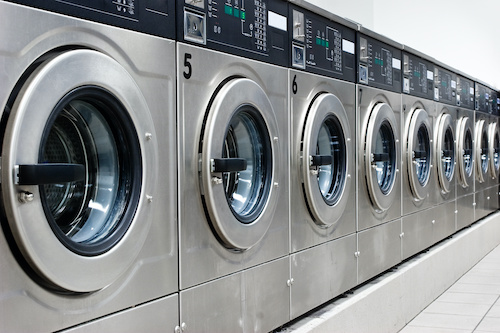
There are mainly two types of commercial washers: front load commercial washers and top load commercial washing machines. Front loaders have a drum that spins horizontally. They use less water and energy and clean clothes gently. Top loaders have a vertical drum and are easier to load and unload.
Some machines come with coin-operated systems for self-service laundries. Others support card payments or app-based payments. Some models combine washer and dryer functions in one unit, saving space in smaller facilities.
Front load washers often include advanced features like automatic detergent dosing and load balancing technology. This help reduce detergent waste and prevent machine damage.
| Washer Type | Water Use | Energy Use | Loading Ease | Durability |
|---|---|---|---|---|
| Front Load | Low | Low | Moderate | High |
| Top Load | High | Moderate | High | Moderate |
Choosing between these depends on your space, budget. And laundry volume. Front load commercial washers tend to be more energy-efficient and last longer under heavy use.
Capacity and Size Considerations
Commercial washing machines come in various sizes. The capacity is often measured in pounds or kilograms. Large capacity washing machines can handle heavy loads. This is important for industrial laundry facilities that wash linens, towels. And uniforms daily.
Heavy-duty washers must balance load size and water consumption. Too large a load can reduce washing quality. Too small wastes water and energy. Industry consensus indicates choosing a washer with a capacity that matches your average load size.
Load balancing technology in many 2026 models prevents uneven spinning and reduces wear. This feature extends the life of the machine and improves washing results.
Energy Efficiency and Water Consumption
Energy-efficient commercial washers reduce costs and environmental impact. Machines with a high energy efficiency rating consume less power and water per cycle. This is crucial for large commercial operations.
Water consumption is a key factor. Many modern washers use precise water level controls and efficient washing machine cycles. These cycles adjust wash time and temperature to save resources.
Choosing washers with automatic detergent dosing and smart user interface panels improves washing quality while reducing waste. These systems ensure the right amount of detergent and water are used each cycle.
| Feature | Benefit |
|---|---|
| Load Balancing Technology | Less vibration and wear |
| Automatic Detergent Dosing | Less detergent waste |
| Energy Rating A++ | Lower electricity bills |
| Water Level Sensors | Optimal water use |
Installation and Maintenance Tips
Proper installation of commercial washing machines is essential. Installation requirements include water supply, electrical connections. And space for ventilation. Following manufacturer guidelines prolongs machine life and ensures safety.

Regular inspection and maintenance reduce downtime. A maintenance schedule should include cleaning filters, checking hoses. And inspecting mechanical parts. Industry experts recommend periodic professional service to maintain warranty validity.
Keeping the detergent dispenser clean and checking for mold or residue buildup improves hygiene and washing performance. For guidance on cleaning detergent dispensers, see how to clean detergent dispenser in washing machine.
Commercial Washer Brands and Prices
Top commercial washer brands in 2026 include Speed Queen, Maytag. And Electrolux. These brands offer machines with strong warranties and proven durability. Price varies based on capacity and features.
Heavy-duty washers tend to cost more upfront but save money over time due to energy savings and fewer repairs. Coin-operated washers may have higher installation costs but generate revenue in self-service laundries.
| Brand | Price Range (USD) | Warranty | Special Features |
|---|---|---|---|
| Speed Queen | $1200 – $4000 | 5 years | Load balancing, coin-operated options |
| Maytag | $1000 – $3500 | 3 years | Heavy-duty, energy efficient |
| Electrolux | $1100 – $3800 | 4 years | Automatic detergent dosing, smart UI |
Choosing a brand with strong support and warranty is crucial for long-term success. For more options, shop commercial laundry equipment that fits your needs.
Conclusion
In 2026, selecting the right commercial washing machine involves balancing capacity, energy efficiency. And ease of use. Front load commercial washers offer many benefits for large operations, including water savings and durability. Top load machines may suit others better depending on space and budget.
Energy efficiency and water consumption should be top priorities. Machines with smart features like load balancing and automatic detergent dosing improve performance and reduce costs. Proper installation and maintenance keep machines working longer and protect your investment.
Brands like Speed Queen, Maytag. And Electrolux lead the market with durable, efficient machines backed by strong warranties. Consider your laundry volume and payment system needs when choosing the right model. With the right commercial washer, your laundry facility can run smoothly and save resources.
Frequently Asked Questions
What is the difference between front load and top load commercial washers?
Front load washers use a horizontal drum and spin faster, saving water and energy. Top load washers have a vertical drum and are easier to load but may use more water.
How important is energy efficiency in commercial washing machines?
Energy efficiency reduces operating costs and water usage. Machines with high energy efficiency ratings save money and help the environment.
What factors affect the durability of commercial washing machines?
Durability depends on build quality, materials, and maintenance. Heavy-duty washers with stainless steel drums last longer in industrial settings.
Can coin-operated washers be integrated with modern payment systems?
Yes, many coin-operated washers now support card payments and mobile apps, improving user convenience.
What should be considered during commercial washer installation?
Installation must meet water, electrical, and space requirements. Proper setup ensures safety, efficiency, and long machine life.

Roger Jacobs is a seasoned appliance expert with over 15 years of experience in the washing machine industry. He specializes in product reviews, energy efficiency, and innovative washing technologies, providing users with trustworthy insights to make informed purchasing decisions.