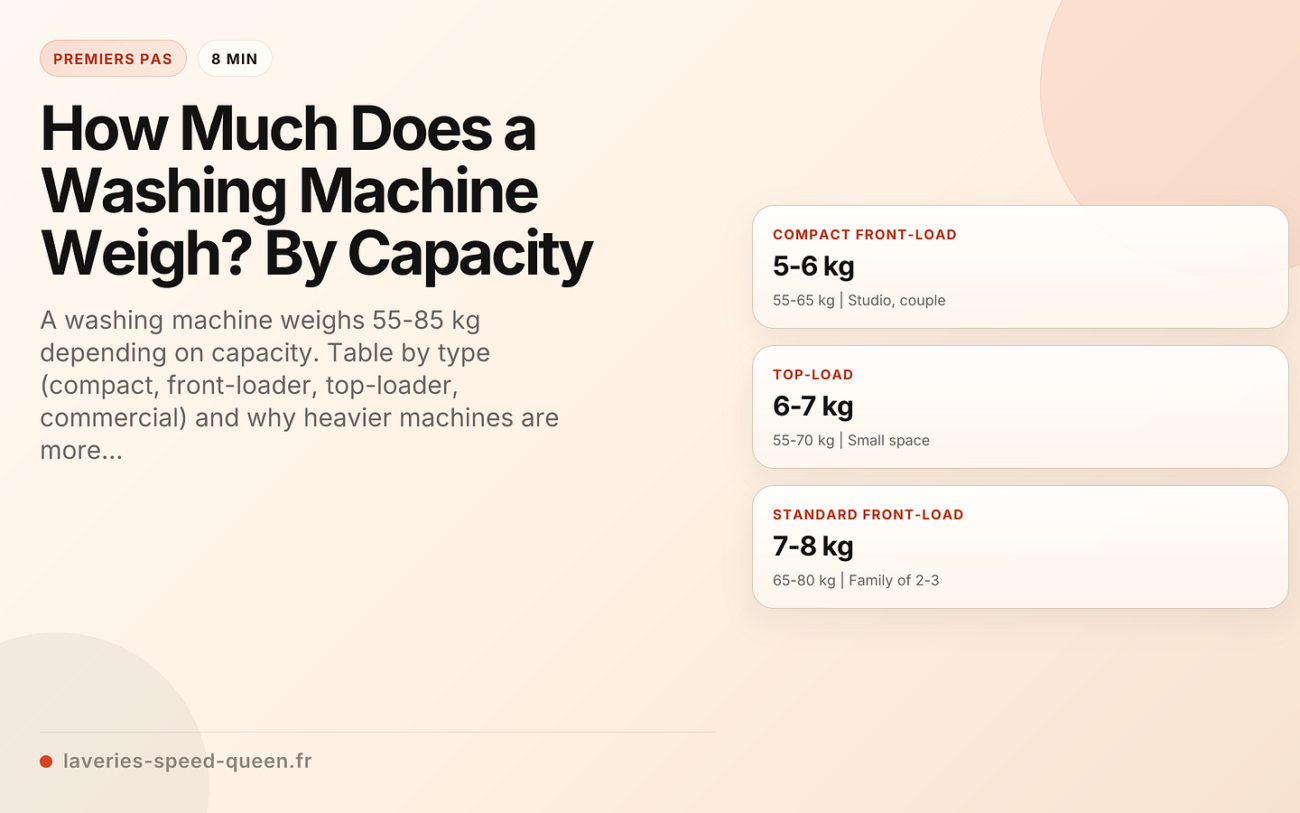
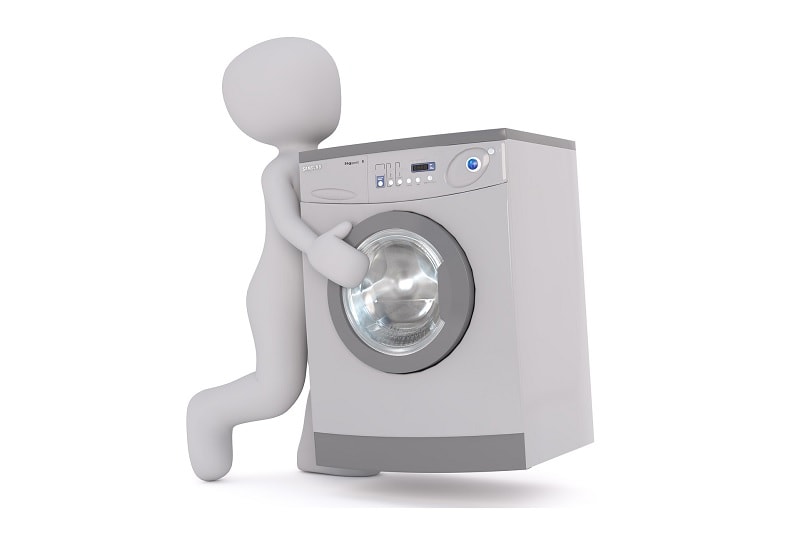
Ever wrestled with a washing machine and thought, “Exactly how much does the average washing machine weigh?” It’s not just idle curiosity—it’s crucial when you’re moving homes or fitting this bulky beast through narrow doorways. The average washing machine wtips between 150 to 180 pounds (68 to 82 kg), but this number shifts depending on the type and size. 🚀 Knowing this is your first step to avoid back strain or worse.
Why Knowing Washer Weight Matters
Understanding your washer’s heft isn’t just about bragging rights at parties. It’s practical—weight impacts transportation, installation, and long-term appliance care. If you underestimate the load, you risk permanent damage to your floors or your back.
- • Safe lifting techniques are essential.
- • Proper tools like washer dollies can make a huge difference.
- • Incorrect handling voids some warranties.
Weight Variations by Washing Machine Type
Front Loading Washers
These tend to be larger and weigh between 175 and 210 pounds because of a sturdier drum and motor design powering high-efficiency cycles. A queen-size mattress weighs about the same, so it’s a workout as much as a chore.
Top Loading Washers
Generally lighter, weighing roughly 120 to 160 pounds. They’re a sweet spot if you want balance between capacity and manageable weight. Their simpler mechanism means fewer heavy parts.
Compact Washing Machines
Small apartment dwellers rejoice! These weigh under 100 pounds, usually around 70 to 90, enabling easier moves but at the cost of smaller drum size and reduced laundry capacity.
| Type | Approximate Weight |
|---|---|
| Front Load | 175-210 lbs |
| Top Load | 120-160 lbs |
| Compact | 70-90 lbs |
Factors Affecting Washing Machine Weight in 2026
Modern tech makes machines smarter but often heavier with added features like built-in water heaters or steam cycles. Stainless steel drums add weight but extend durability and reduce vibration.
Energy-efficient models can sometimes be heavier, balancing bulkier insulation to minimize noise and conserve water.
Material Impact
Plastic drums cut pounds but may wear faster.
Size & Capacity
Bigger capacity means more metal and motor size, directly shooting up weight.
Moving Your Washing Machine Safely
Lifting more than 150 pounds (that average!) can’t be done solo. Enlist a buddy or pros, and secure the drum with shipping bolts if you’re not getting new packaging. Never attempt sliding it on floors; it gouges both appliance and house.
- ✅ Use appliance dollies or forklifts.
- ✅ Secure machine upright during moves to avoid damage.
- ✅ Disconnect and drain water completely before moving.
Measuring Your Washing Machine Weight At Home
No scale? No problem. Use bathroom scales by weighing yourself first, then weigh while holding the washing machine (with help) and subtract your own weight.
Installation Tips Post-Move
Once in position, level the machine using adjustable feet — uneven sleepers mean noisy spins and premature wear. Also, keep 1-2 inches clearance behind for ventilation and hose connections.
Maintaining Washing Machine Weight Capacity
Don’t overload just to save time—extra weight strains the motor. Matching clothes and detergent load prevents uneven distribution that can rattle your machine apart faster.
Common Weight-Related Mistakes to Avoid
- • Ignoring weight leading to improper handling during moves.
- • Overloading beyond recommended kg limits causing damage.
- • Neglecting securing drums before relocation.
Expert Guidance
“Knowing your washing machine’s exact weight is half the battle in moving and maintenance. Neglect this, and you’ll pay through costly repairs,” – Appliance Technician Joe Martinez.
For deeper insights on washing machine capacity and how it impacts laundry load, a comprehensive guide is available at Appliances Online covering washing machine capacity explained. For a formulaic approach to calculating washer tub size related to weight, check The Spruce’s easy reference chart at washing machine load size guide.
How much does the average washing machine weigh? Whether you’re moving, buying, or fixing yours, that knowledge arms you to confront challenges and prevent disaster. Your back, floors, and laundry day sanity will thank you. 🚀

Source: prudentreviews.com
Source: inthewash.co.uk

Source: mymovingjourney.com
Frequently Asked Questions
What factors influence the weight of a washing machine?
The weight is mainly affected by the machine type (front or top loader), drum material, capacity, and additional features like water heaters or steam options.
Is a front-loading washing machine heavier than top-loading?
Yes, front-loading washing machines typically weigh 15-50 pounds more due to sturdier drums and motors necessary for their operation.
How can I safely move a heavy washing machine?
Enlist help, use appliance dollies, secure the drum with transit bolts, disconnect water, and keep the machine upright to prevent damage.
Does washing machine weight affect energy efficiency?
Heavier models may include better insulation and materials that improve efficiency but can add weight. Weight alone doesn’t determine energy efficiency.
Can I measure the washing machine weight at home without special equipment?
Yes, by using a bathroom scale you can weigh yourself, then weigh yourself holding the machine with assistance and subtract your weight for an estimate.
How does washing machine weight impact installation?
Heavier machines require more careful positioning, leveling, and supporting to avoid noise, vibration, and premature wear.

Tyrone Jacobs is passionate about reducing household carbon footprints without sacrificing cleanliness. Her articles focus on high-efficiency (HE) machines, low-water washing techniques, and DIY natural machine-cleaning solutions. If you want to lower your utility bills and keep harsh chemicals out of your drain hoses, Tyrone Jacobs is your go-to expert.