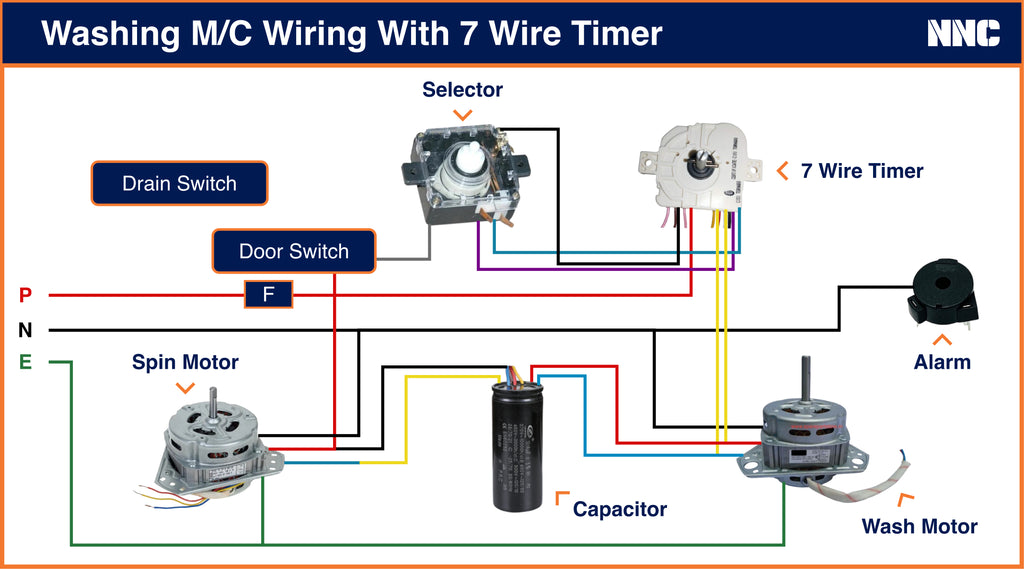
Ever stood in your laundry room wondering, “How many amps washing machine actually draws?” You’re not alone. This question bundles a surprising complexity that affects your home’s electricity bills, appliance safety, and even future-proofing your household wiring. In 2026’s energy-conscious world, knowing your washing machine’s amperage isn’t just nitpicking—it’s essential.
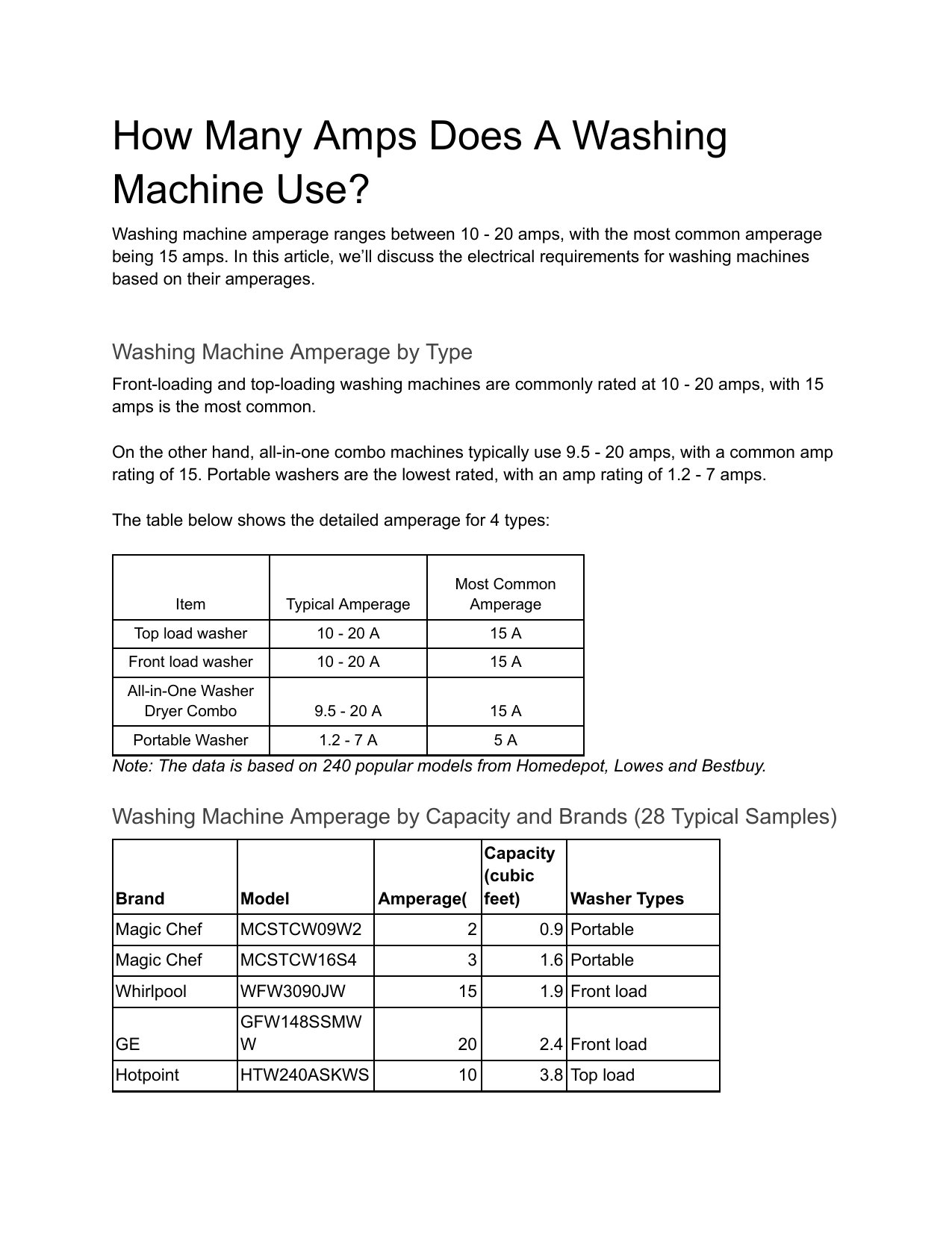
Jumping right in, most standard washing machines pull between 5 to 12 amps, but this isn’t a fixed number because model specifics and load cycles cause noticeable shifts. When the washer runs a heavy-duty spin cycle, its motor cramps harder on the electric current, spiking amps temporarily. The takeaway? You need precise amp info to avoid tripping circuit breakers while optimizing your laundry setup.
- Typical washer amperage ranges from 5–12 amps.
- Heavy-duty models may push amps higher during spin cycles.
- Standard home circuits are usually 15-20 amps designated per outlet.
To put this in perspective, the amperage directly impacts the power consumption (watts) using the formula Watts = Volts × Amps. Most washing machines operate on a 120-volt household circuit, so at 10 amps, that’s about 1200 watts. This figure isn’t trivial if you calculate your annual consumption or decide to install solar power then real usage and demand matter profoundly.
Understanding Amperage in Washing Machines
Let’s break amps down simply: amps measure the flow of electric current. Think of it like water pressure in your garden hose. The amps tell you how many electrons head through your machine’s motor and controls per second. When you’re aiming for utility-friendly and safe operation, knowing this number lets you size your circuit breakers and wiring exactly right.
This hands-on wattage/amp question is why professionals recommend checking the manufacturer label or specs. Virtually every machine has its rated amps printed on the back or inside the door — skip guessing; measure or verify. This level of detail can prevent fires, breaker nuisance trips, and unexpected outages.
What Influences Washing Machine Amps?
- Load size: Larger loads require the motor to work harder, thus pulling more amps.
- Cycle type: Heavy wash or spin cycles consume more current than gentle or rinse cycles.
- Machine type: High-efficiency washers can use less amperage overall due to better motor tech.
- Age & condition: Older machines or those with mechanical issues might draw excessive amps as the motor strains.
Standard Circuit Requirements for Washing Machines
By 2026 standards, a washing machine typically requires a dedicated 15 or 20 amp circuit depending on the model and local code. Electrical safety experts insist on dedicated circuits to avoid overload and ensure appliance performance doesn’t compromise your home’s electrical system. If you plug your washer into a circuit with other heavy appliance loads, expect breaker trips or worse—electrical hazards.
Take Larry, the guy who runs his tech repair shop from a home garage and never upgraded his laundry wiring. He consistently blows breakers during peak usage hours. The fix was a new dedicated 20-amp circuit, customized exactly to his washer’s demand. Problem solved, no more electrical fiascos.
Match your washing machine’s amp draw to a circuit rated at about 125% of that consumption to handle spikes safely.
Energy Efficiency and Its Impact on Amps
New washing machines are not just about durable build and smart features but energy-saving tech that lowers amp draws. Most Energy Star models in 2026 use advanced brushless motors optimized for current efficiency that cut your amp consumption by up to 30% compared to older models. That’s a huge win when counting your power bills and reducing wear on your electric system.
Moreover, inverter technology modulates motor speed adapting amps in real time to the load, preventing unnecessary overcurrent conditions and prolonging machine lifespan. This tech-savvy style is why you should prioritize picking modern machines if you care about power draw and long-term savings.
How to Measure Your Washing Machine’s Amps?
- Ensure safety by turning off the main power before setup.
- Use a clamp meter around the washer’s power cord to measure real-time current.
- Run several laundry cycles to see variability in amps drawn.
- Note peak amp values for correct circuit planning or diagnosing issues.
Understanding these values is your frontline defense against electrical mishaps and oversized electric bills. Collecting your washer’s actual amp values eclipses guesswork and lets you fine-tune your electrical system perfectly.
Troubleshooting Excessive Amp Draw
If you notice your washer draws amps beyond its rated capacity, it’s time to investigate immediately. Common causes include:
- Damaged or shorted motor windings
- Blocked or jammed drum preventing free movement
- Faulty or dirty electrical contacts or wiring
- Malfunctioning control board causing erratic motor pulse
Ignoring these signs can escalate from a blown breaker to an actual fire hazard. If you’re not an electrician, call in a pro for diagnosis before permanent damage occurs. Remember, safety is non-negotiable.
Common Myths About Washing Machine Amperage
Reality: Amps vary widely by model, motor type, size, and age. Checking your particular machine matters.
Reality: Sometimes bigger machines or those with faster spin cycles draw more amps but deliver better performance.
These myths muddy consumer judgment and cause unnecessary electrical problems. Stay informed and consult specs before buying or fixing.
DIY Electrical Safety Tips for Laundry Rooms
- Always unplug appliances before maintenance.
- Don’t overload circuits by sharing outlets.
- Use circuit breakers rated appropriately, considering the washing machine’s max amp draw.
- Check extension cords are rated for the amp load if necessary, though permanent wiring is best.
- Install GFCI protection in wet locations for electric shock safety.
These hands-on precautions aren’t just a good idea; they’re mandatory to keep your home sound and reduce fire risks.
How Does Knowing Washing Machine Amps Help You?
You might think, “Calories burned in laundry?” Wrong. Amp knowledge empowers you to:
- Pick the right home circuit ensuring no breaker drama
- Estimate power consumption and optimize household energy efficiency
- Conduct safer DIY repair or electrical work
- Shop smarter by comparing washer efficiency effectively
Smart consumers act preemptively and rely less on costly emergency fixes.
Discover detailed insights on washing machine amp usage from udpwr’s portable power station guide for deep-dive current data.
Conclusion
When hunting for “How many amps washing machine” uses, remember: the number ranges but typically swings between 5 to 12 amps. This range reflects load, cycle, and machine tech. You must match it to your home circuit’s capability and practice safe electrical maintenance right now—not later. Smart amp awareness shields your appliances, safeguards your home, and trims your energy bills in today’s 2026 power-conscious era.
Be proactive: equip your laundry zone with a dedicated circuit that respects your washer’s maximum amps. This insight isn’t optional—it’s laundry room survival. When in doubt, tap into professional advice or trusted resources like Nassau National Cable’s amp usage explanation and stay ahead.
Get amperage right, get laundry done without a hitch, and keep your power bills happy. 🚀

Source: nassaunationalcable.com
Source: studylib.net
Frequently Asked Questions
How many amps does a typical washing machine use?
Most standard washing machines use between 5 and 12 amps during regular operation, depending on model and cycle intensity.
Can I plug a washing machine into a 15-amp circuit?
Yes, many washers operate safely on 15-amp circuits, but heavy-duty models or older machines might require a dedicated 20-amp circuit to prevent breaker trips.
Does a washing machine use more amps during the spin cycle?
Yes, spin cycles demand more motor power, causing a temporary increase in amps drawn—sometimes up to 20% higher than washing phases.
How do I measure the amperage of my washing machine at home?
Using a clamp meter around the power cable while the machine runs cycles allows you to see real-time amperage draw safely.
Is it dangerous if my washing machine pulls more amps than rated?
Yes, drawing higher amps could indicate electrical faults or mechanical issues and risks overheating or electrical fires; professional inspection is advised.
Will a high-efficiency washing machine draw fewer amps?
Generally, yes. High-efficiency models use advanced motor tech to minimize electric current draw while maintaining performance.
Why does my circuit breaker trip when running the washer?
Your washer might be pulling amps beyond circuit limits, or other devices sharing the circuit cause overload; dedicated circuits often solve this problem.

Tyrone Jacobs is passionate about reducing household carbon footprints without sacrificing cleanliness. Her articles focus on high-efficiency (HE) machines, low-water washing techniques, and DIY natural machine-cleaning solutions. If you want to lower your utility bills and keep harsh chemicals out of your drain hoses, Tyrone Jacobs is your go-to expert.