Ever stood by your washer, tapping your foot, wondering how long is the wash cycle in a washing machine? It’s a question less simple than you might think. Wash cycles vary—depending on machine type, load size, settings, and fabric type. Let’s jump in and break down what really dictates the clock ticking away on your laundry day.
Why Does Wash Cycle Time Vary?
Not all washing machines are created equal. Front-loaders often take longer but use less water and energy. Top-loaders usually zip through cycles faster but might not clean as deeply. Throw in cycle settings—delicates, whites, heavy soil—and water temperature, and you’ve got a dynamic setup that influences time.
Machine Types and Influence on Wash Duration
- Front-Loaders: Typically 45-60 minutes.
- Top-Loaders: Generally 30-45 minutes.
- High-Efficiency Models: Can extend to 75 minutes for energy saving.
Load Size & Fabric Type Effects
Lighter loads wash faster. But throw in bulky items like comforters? Prepare for longer spins. Sensitive fabrics need gentle cycles—extra time with softer agitation to protect cloth integrity.
Decoding Your Washer’s Cycle Settings
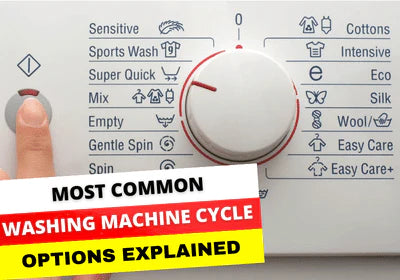
Each cycle setting is designed to balance cleaning with fabric care and time. Here’s what you can expect:
- Normal Cycle: The workhorse of laundry — about 40-50 minutes.
- Delicate Cycle: Shorter and gentler—25-30 minutes.
- Heavy Duty: Longer wash and rinse phases—60-75 minutes.
- Quick Wash: For lightly soiled loads, as brief as 15 minutes.
How Temperature Influences Time & Results
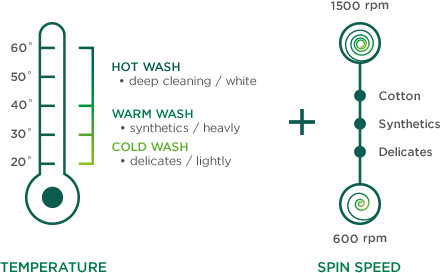
Hot water kills bacteria and dissolves detergents quickly, speeding up cycles but increasing energy use. Cold water saves energy but demands more wash time. Many washers compensate by extending cycles when using cold water.
Energy Efficiency vs. Quick Cleaning
Modern washers walk a tightrope. Take a high-efficiency model running a 90-minute eco cycle. Sure, it’s slow; it saves energy and water while getting clothes clean. Fast cycles charm with speed but may miss stubborn stains.
When to Stretch or Shorten the Wash Cycle
Got muddy kids? Go longer. Running low on time? Quick cycles do a decent job but toss in a pre-treat for tough spots. Delicates? Always lean toward gentler and shorter to dodge damage.
💬 “Think of your washing machine as a chef – the recipe (cycle) changes based on the ingredients (clothes). Not all dishes cook the same.” — Laundry Expert
Practical Tips to Optimize Wash Cycle Duration
- Sort laundry by soil level and fabric type.
- Use the appropriate cycle for each load.
- Don’t overload – it stresses the motor and extends cycles.
- Choose water temperature wisely; cold for colors and delicate fabrics, warm/hot for whites and heavily soiled items.
- Clean your machine regularly to maintain efficiency.
Common Mistakes Affecting Cycle Duration
Overloading your washer may cause it to struggle and extend the cycle to clean properly. Using excessive detergent leads to longer rinses. Neglecting maintenance clogs filters, causing strain and longer runs.
Understanding the Spin Cycle and Its Role in Overall Time
The spin cycle, often overlooked, can impact the duration and efficiency of laundry. Higher spin speeds reduce drying time but might add a couple of extra minutes to the cycle.
Water Usage and Cycle Time Correlation
Machines that use more water often complete wash cycles quicker than water-saving models. Efficiency models compensate reduced water with slower agitation and longer time.
Professional Repairs and When to Call Help
If your washing cycle suddenly doubles with no load or setting change, there may be a technical issue like sensor failure or motor problems. Don’t hesitate to consult a professional. Improper DIY fixes could void warranties or worsen problems.
Understanding how long is the wash cycle in a washing machine helps set expectations and manages laundry day like a pro. Embrace the differences in machines and cycles, tailor your approach, and save time and energy in your 2026 routines.
For an in-depth guide on different wash cycles and what each means for your laundry day, you can check washing machine cycle explanations. To understand timing specifics by model, this washing machine cycle duration article breaks it down well.
Also, if you’re curious about how newer washers optimize their cycles or want to join communities discussing real user experiences, the washer cycle time discussion group offers plenty of insights. Finally, understanding the basics from washing machine cycles 101 can give you a solid foundation.

Source: lucentglobe.com
Source: theapplianceguys.com.au
Frequently Asked Questions
How long does a typical washing machine cycle last?
Standard cycles usually range from 30 to 60 minutes depending on type and settings.
Do eco-friendly cycles take longer?
Yes, eco-friendly or energy-saving cycles can stretch up to 90 minutes to reduce water and energy usage.
Can I shorten the wash cycle for lightly soiled clothes?
Absolutely, many machines offer quick wash options lasting 15-30 minutes, ideal for lightly soiled loads.
What causes unexpected longer wash times?
Overloading, sensor issues, or using excessive detergent can make cycles longer than usual.
Does water temperature impact cycle length?
Yes, cold water cycles often run longer to compensate for slower cleaning action compared to hot water.

Lonnie Clarke believes that taking care of your washing machine starts with what you put into it. As a former textile quality controller, she understands exactly how different fabrics, water temperatures, and detergents interact with your appliance’s drum. She writes our comprehensive guides on preventing mold, choosing the right cycles, and extending the life of your clothes.