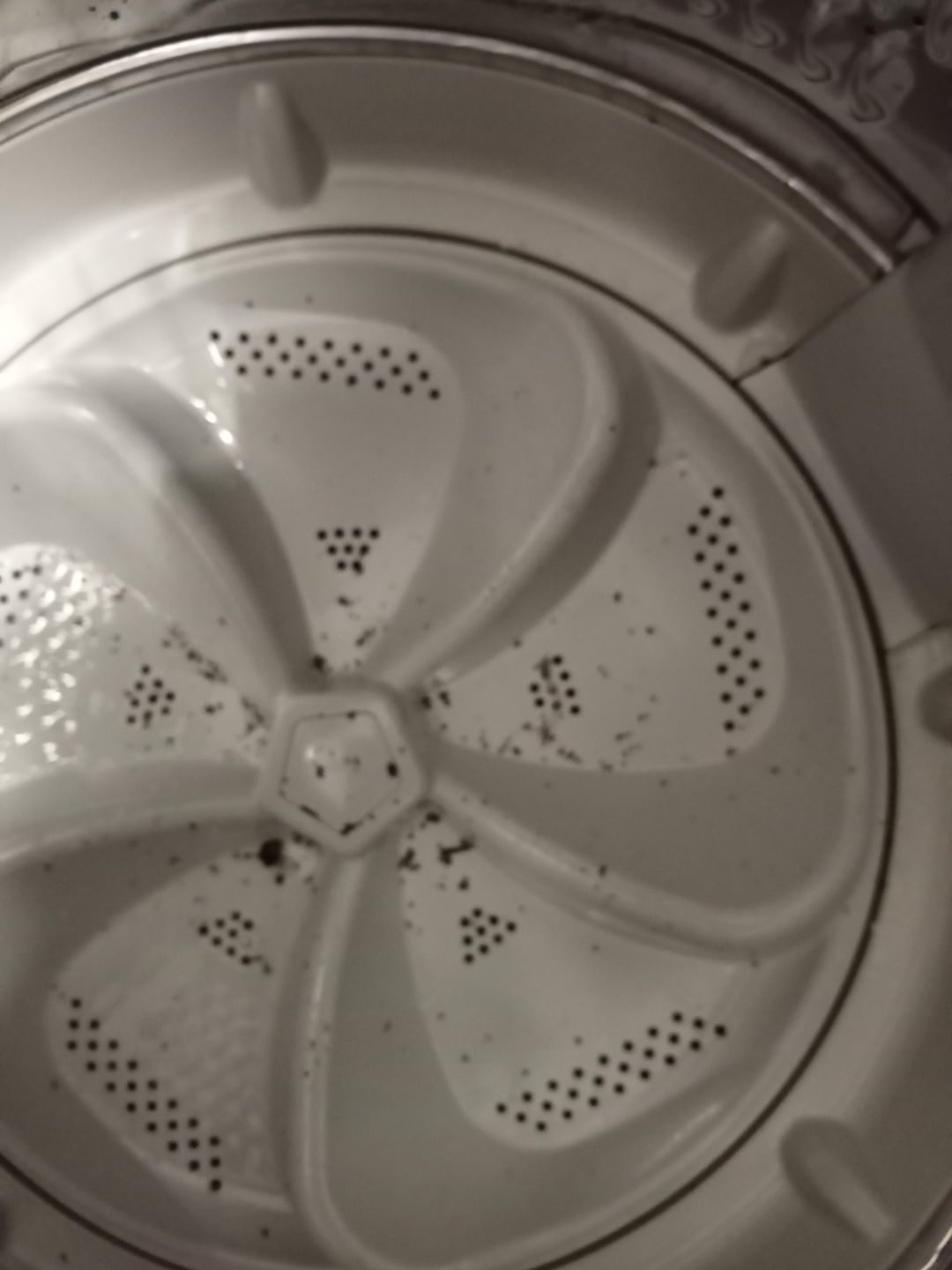
Think your washing machine is a magic wand against bed bugs? You’re not alone in wondering, do bed bugs die in the washing machine? Bed bugs are nasty pests, notorious for their survival skills, which begs the question: can tossing your infested linens into your washing machine really end the infestation? Let’s jump right in and expose what really happens when bed bugs meet your washer and dryer.
Why Bed Bugs Are Such Stubborn Invaders
Bed bugs are tiny, tough, and elusive. These little bloodsuckers hide in cracks, seams, and crevices, making them hard to catch. They aren’t just hitchhikers on your clothes but also thrive in mattresses, furniture, and even behind wallpaper. Understanding their biology explains why washing may seem like just a part of the battle.
Bed Bug Survival Mechanisms
- Can live several months without feeding.
- Hide in microscopic spaces.
- Resistant to many common pesticides.
Can Hot Water Kill Bed Bugs In The Washing Machine?
Here’s the good news: heat is your best weapon. Studies and pest control experts confirm that washing fabrics in hot water at least 120°F (49°C) kills bed bugs and their eggs on contact. Your washing machine’s hot cycle, combined with a high-heat drying phase, can effectively exterminate these pests if done right.
Optimal Washing Steps
- Sort infested clothes and bed linen separately.
- Use the hottest water setting safe for fabric.
- Add regular detergent and fully agitate.
- Immediately transfer to the dryer.
- Dry on the highest heat for at least 30 minutes.
Does Drying Clothes Kill Bed Bugs Too?
Absolutely. Heat from the dryer is a critical stage. Many professionals advise extended drying at high temperature to ensure all insects and eggs are toasted. Think of the dryer like an oven that bed bugs hate! The FDA and EPA-backed pest removal guides routinely mention the drying cycle as a non-toxic, effective bed bug killer.
Common Mistakes That Let Bed Bugs Survive Laundry
- Using cold or warm water only.
- Skipping the drying cycle or not using high heat.
- Mixing infested clothes with clean ones.
- Not washing all affected items simultaneously.
- Neglecting to seal or isolate infested laundry before washing.
When Washing Machines Aren’t Enough: Professional Help
While laundry is a powerful step, it often isn’t the full solution. Bed bugs nest in your home’s structure requiring professional extermination. Pest professionals use integrated pest management strategies, combining heat treatments, pesticides, and ongoing prevention.
Signs You Should Call a Pro
- Recurring bites despite laundry efforts.
- Visible bugs on furniture and bedding.
- Guessing the source is beyond personal laundry.
Preventing Reinfestation After Washing Bed Bug-Infested Laundry
Effective washing and drying kill bed bugs in fabrics, but prevention steps guard against reinfestation:
- Isolate cleaned laundry in sealed bags.
- Vacuum and steam mattresses, couches.
- Use mattress encasements rated for bed bugs.
- Regularly inspect sleeping areas.
- Be cautious with secondhand furniture.
The Science Behind Bed Bugs and Washing Machines
Recent tests by pest experts (Bed Bugs Experts UK) reveal that bed bugs can survive short exposures to washing cycles if the temperature is not hot enough. This explains countless stories of failed attempts to get rid of pests by washing. Another study (Green Shield Pest Control) emphasizes that only high heat reliably exterminates these pests during laundry or drying.
Practical Advice From People Who Beat Bed Bugs Using Laundry
“Jenny from Austin shared how she washed everything twice under scorching temperatures and dried for an hour. The bug bites stopped, finally! Her key? Never mixing infested laundry with clean stuff and sealing washed clothes immediately.” 💬
Summary Checklist: Bed Bug Killing Washing Routine 🚀
- Identify all infested clothing and fabrics.
- Wash in hottest water safe for fabric (≥120°F).
- Fully dry on highest heat for 30+ minutes.
- Repeat washing for stubborn items.
- Isolate washed items to prevent re-infestation.
- Pursue professional pest control if necessary.
:max_bytes(150000):strip_icc()/Handle-bed-bug-infestation-laundry-2146304-V1-899a4efc4ca54972959fafa4c1263cf4.png "Do Bed Bugs Die In The Washing Machine 2")
Source: www.thespruce.com

Source: bedbugsos.ca

Source: www.reddit.com
Frequently Asked Questions
Do bed bugs survive a cold water wash?
No, bed bugs do not die in cold water washes. The temperature must be high enough (above 120°F) to reliably kill them.
How long should I dry clothes to kill bed bugs?
Dry infested clothes on high heat for at least 30 minutes to ensure all bugs and eggs are destroyed.
Can I rely on washing alone to eliminate bed bugs?
Washing and drying infested fabrics is essential but insufficient alone. Bed bugs often inhabit furniture and walls requiring professional treatment.
Are there any safe chemical treatments for laundry?
Typically, detergent and heat do the job. Chemical laundry additives specifically targeting bed bugs are rare and generally not recommended without professional advice.
What precautions should I take with infested laundry?
Seal infested items in plastic bags before transporting. Wash and dry promptly. Avoid mixing with clean laundry to prevent spreading.
Can other household appliances kill bed bugs?
Yes, steamers and high heat devices can kill bed bugs on spot, especially on furniture and mattresses.
Why do some bed bugs survive washing?
Survival is usually due to insufficient water temperature, short washing cycles, or skipping the dryer phase.
So, can you rest easy knowing do bed bugs die in the washing machine? Yes, but only with the right hot water wash and dryer blast. Skipping these steps might give bed bugs the survival edge. Be vigilant, wash smart, dry longer, and call the pros if needed. Your clothes and your sanity depend on it! 🚀

Tyrone Jacobs is passionate about reducing household carbon footprints without sacrificing cleanliness. Her articles focus on high-efficiency (HE) machines, low-water washing techniques, and DIY natural machine-cleaning solutions. If you want to lower your utility bills and keep harsh chemicals out of your drain hoses, Tyrone Jacobs is your go-to expert.