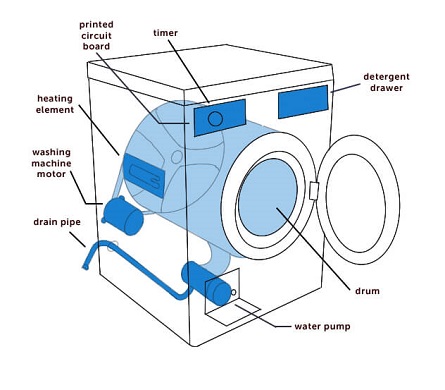
Ever wondered what’S the drum of a washing machine actually does? Picture the washing machine drum as the heart of your laundry chore. It’s the cylindrical compartment where your clothes tumble and spin, taking the brunt of water and detergent agitation to clean your fabric. If you think of the washing machine as an orchestra, the drum is the lead performer driving the rhythm and intensity of the wash cycle. Without it, clothes would just spin hopelessly in a shell, dirt unapologetically staying put!
📑 Quick Facts About Washing Machine Drums
- The drum is usually made of stainless steel or durable plastic.
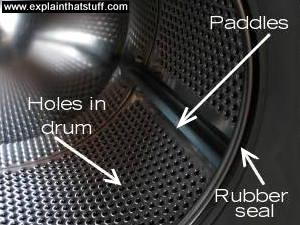
- It contains holes for water flow, ensuring deep cleaning and rinsing.
- Drums come in various designs like pulsator, agitator, or tumble.
Understanding the Drum’s Role: More Than Just Spinning Clothes
The drum’s design is no accident. It’s engineered to balance rigorous cleaning action with gentle fabric care. The spinning action combined with water lets detergent penetrate fibers, dislodging dirt. Yet, the drum’s shape and surface texture protect your clothes from excessive wear. For instance, high-end washers boast drums with smooth, raised patterns that reduce friction and fabric damage.
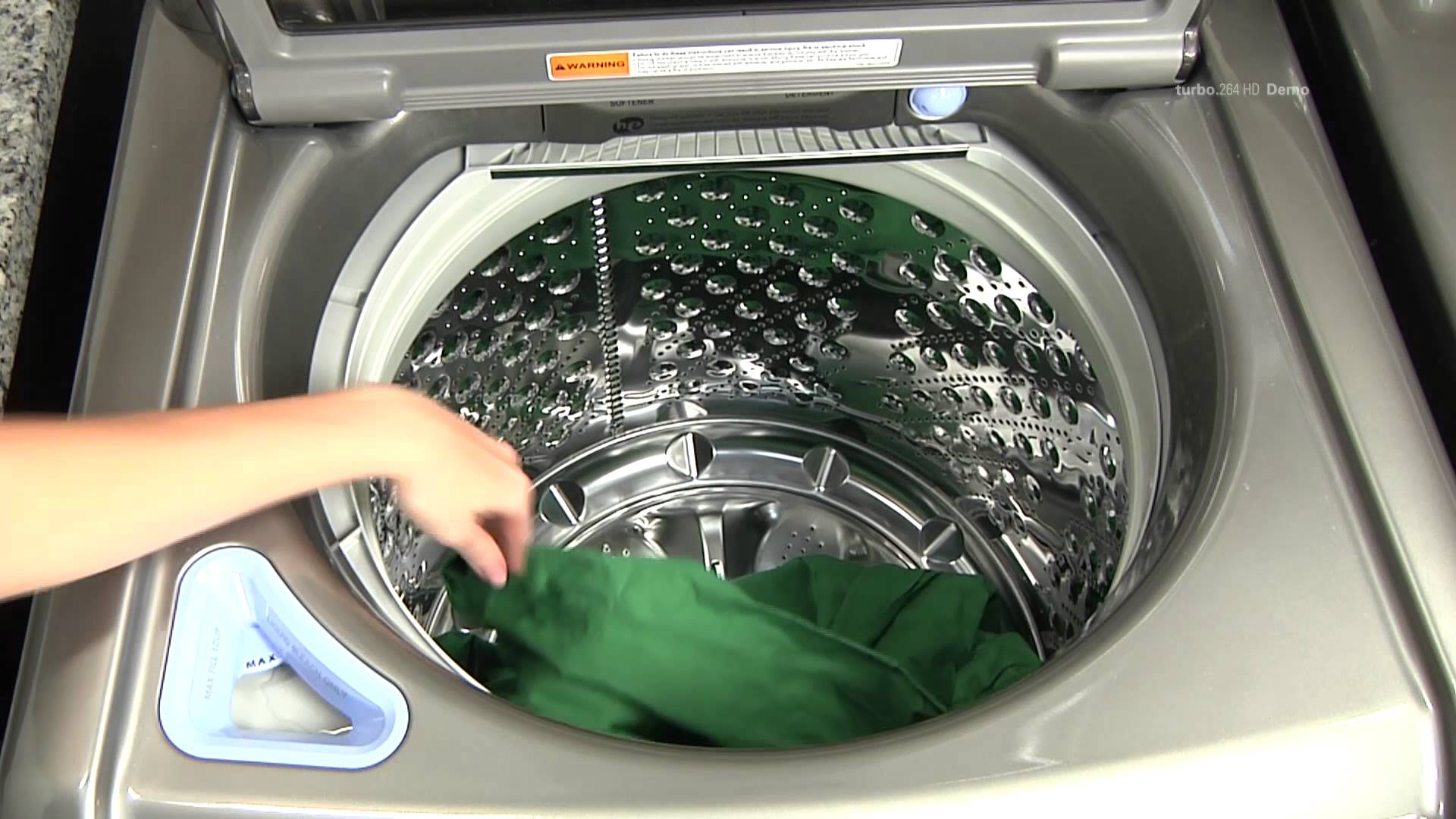
When you choose a washing machine, knowing the drum type can be a game-changer. Front-load machines, for example, use horizontal drums that rotate on a horizontal axis and provide effective tumbling. Top-load machines often come with vertical axis drums that use either agitators or pulsators. Each design affects wash quality, noise levels, and energy use.
📑 Drum Types Explained
- Stainless steel: Most durable, resists rust and wear.
- Plastic: Lightweight and cheaper but less durable.
- Aluminum: Rare today, prone to corrosion.
Choosing The Right Drum Material Matters
If you’re eyeing a brand new washer, consider drum material wisely. It impacts not just lifespan but also fabric care. Stainless steel reigns supreme—lasting decades and withstanding hot water cycles without rusting. Imagine running a pizza shop next door for years and needing a pan that won’t degrade; that pan is your drum. Plastic drums add weight savings and reduce cost but beware—they tend to scratch and are less heat-resistant.
⚖️ Drum Material Pros & Cons
| Material | Pros | Cons |
|---|---|---|
| Stainless Steel | Durable, rust-resistant, lasts long | Expensive |
| Plastic | Lightweight, cheaper | Scratches easily, less durable |
| Aluminum | Lightweight | Corrodes faster, rarely used |
Maintenance Tips to Keep Your Washing Machine Drum Happy
Forget drum care, and you’ll be paying for clogged holes and terrible odors. A few simple tricks keep the drum spinning freely and smelling fresh 🚀.
- Run a hot wash cycle monthly with vinegar or commercial drum cleaner to remove residue.
- Leave the door ajar after each wash allowing the drum to dry and prevent mildew.
- Check for and remove any debris stuck in drum holes to maintain water flow.
- Use appropriate detergent quantities to avoid buildup inside the drum.
These seemingly small steps dramatically extend the drum’s life and improve laundry quality.
Common Drum Issues & How to Spot Them Early
Drum troubles sneak up without notice. From loud banging noises to sudden leaks, these warnings indicate drum or bearing trouble. Watch for persistent knocking sounds during spin cycles or clothes coming out dirtier than before. These are glaring signs to act fast or risk expensive repairs.
When facing drum damage, assess quickly. If you see visible cracks or hear grinding, stop using the washer. Early intervention is the easiest ticket to preventing full failure.
For repairs, professional technicians should replace drum bearings or fix cracks — this isn’t a DIY territory for most. But simple cleaning and drum care? You’re the boss here.
Interested in deeper knowledge about washing machine parts and troubleshooting? Check out a detailed overview of washing machine drums and their functions by Liberty Home Guard here.
Drum Capacity and What It Means For Your Laundry Load
Capacity isn’t just about fitting more clothes; it influences how the drum spins and cleans. Overloading the drum starves your clothes of enough water and space to move, leading to poorly washed laundry and increased strain on the drum itself. According to industry standards, filling the drum about 80% ensures the best washing outcome and protects the drum bearings from excess stress.
What To Expect From Your Drum Over Time
Years of service can dull any drum, but treats right, and your drum should stay robust for at least a decade. Signs of wear include pitting inside the drum and bent metal ribs. These changes reduce the drum’s efficiency and can snag delicate fabrics — a laundry disaster you don’t want.
📑 Tips To Prolong Drum Life
- Use a load size compatible with the drum capacity.
- Keep the drum clean from detergent buildup and foreign objects.
- Regularly inspect and tighten any loose drum bolts.
- Schedule yearly professional service checks if possible.
The Tech Evolution: Modern Drum Innovations
Some manufacturers have taken drums to the next level. Ultrafine perforations in drums reduce fabric damage while enhancing water drainage. Others include sensors within the drum assembly, detecting load balance and adjusting spin speeds automatically to reduce noise and wear. Samsung’s EcoBubble and other brands’ technology showcase how dramatic the drum’s role has become beyond a simple container.
Exploring washing machine basics? Thumbtack’s detailed guide on washing machine drums covers these innovations and more, enhancing your understanding at this link.
DIY Drum Care vs Professional Help
Sure, cleaning the drum yourself is easy. But drum bearing replacements? Nope, call the pros. It’s not just about the job’s difficulty; improper handling risks further damage or safety hazards. Know your limits. If the drum spins unevenly or leaks, that’s a red flag for technician intervention. When in doubt, getting a certified repair expert is a smart move.
Caring For Your Drum Makes Laundry a Breeze
Ultimately, the drum’s health dictates your washer’s success and your clothes’ freshness. Knowing precisely what’S the drum of a washing machine and how it functions helps you appreciate why it demands respect and care.
💬
“Treat your washing machine drum like a trusted friend—care for it, and it’ll care for your clothes.”
Still have questions? The Times of India offers an insightful read covering washing machine drum essentials before buying a machine, helping you make informed choices explained here.
Source: www.domesticandgeneral.com
Source: www.explainthatstuff.com
Source: onsitego.com
Frequently Asked Questions
What is the function of the washing machine drum?
The washing machine drum holds the clothes and spins them during wash and rinse cycles, enabling thorough cleaning and water drainage.
What materials are washing machine drums made of?
Most drums are made from stainless steel for durability, with some models using plastic or aluminum, which are less durable.
How can I maintain my washing machine drum?
Regularly run hot water cycles with vinegar or cleaner, keep the door open to dry the drum, and avoid overloading to maintain drum health.
When should I call a professional about my washing drum?
If you hear banging sounds, spot cracks, or leaks, especially during spinning, it’s time to consult a professional technician for repair.
Can I clean the drum myself?
Yes, cleaning with appropriate solutions at home is safe, but repairing or replacing drum parts requires professional help.

Lonnie Clarke believes that taking care of your washing machine starts with what you put into it. As a former textile quality controller, she understands exactly how different fabrics, water temperatures, and detergents interact with your appliance’s drum. She writes our comprehensive guides on preventing mold, choosing the right cycles, and extending the life of your clothes.