
Introduction to Washing Sports Jerseys
Washing sports jerseys can be tricky in 2026. Jerseys are made from delicate polyester material or lycra blends. They often carry a sports team logo or print that must be preserved. Proper jersey fabric care helps keep them fresh and looking new.
Machine washing is common, but it needs the right method. Using the wrong cycle or temperature can cause color fading or damage the print. This guide covers the best practices for washing sports jerseys in the machine safely.
For advanced tips on machine care, exploring how to wash dress shirts machine offers great insights into delicate fabric handling in washers.
Machine Washing Tips for Jerseys
Always check the washing instructions tag jersey before starting. It guides the best washing cycle and temperature. Most jerseys do well with a cold wash jersey to prevent shrinking and fading.
Use a gentle detergent for sports clothes. Avoid bleach and fabric softener as they can harm the mesh fabric and print preservation. Put jerseys in a jersey washing bag to reduce friction and wear during the wash cycle.
Choose the delicate cycle for jerseys on your washing machine. Front load washers are usually gentler than top load washers, which use an agitator that can be harsh on jerseys.
Separating jerseys from rough fabrics minimizes damage. Wash with similar colors to avoid color transfer. Avoid overloading the machine to ensure a thorough clean.
Removing Stains from Jerseys
Stains on athletic jerseys are common after games. Removing stains requires care. Apply a mild stain remover or detergent directly to the stain before washing. Let it sit for 10 to 15 minutes.
Never scrub hard, as this can harm the delicate fabric or sports team logo. If the stain persists, repeat treatment or opt for hand washing. Avoid bleach since it may cause color fading or fabric damage.

Drying Jerseys Properly
Drying is as important as washing. Avoid the dryer since heat can damage the lycra blend and cause prints to crack. Instead, hang jerseys on a drying rack away from direct sunlight to prevent color fading.
Do not wring or twist jerseys after washing. This can stretch the delicate fabric. Lay flat if possible to keep the shape intact. Proper drying helps prevent mildew on jerseys, a common problem with damp athletic wear.
Always follow the item care label for drying instructions. Some may allow low heat tumble drying, but air drying is safest for preserving jersey quality.
Hand Wash vs Machine Wash Jersey
Hand washing is gentler and can extend jersey life. It allows you to focus on stains and delicate areas like mesh fabric or printed logos. Use cold water and mild detergent. Soak for 15 minutes and rinse well.
Machine washing is faster and effective if done correctly. Use a jersey washing bag and delicate cycle. Always cold wash jersey and avoid fabric softener. Both methods protect the fabric and preserve prints when done right.
| Method | Pros | Cons |
|---|---|---|
| Hand Wash | Gentle on fabric, better for stains | Time-consuming, less convenient |
| Machine Wash | Quick, good for regular use | Risk of damage if wrong cycle used |
Choosing the right method depends on how often you wear your jersey and the level of staining. For regular cleaning, machine wash on delicate is fine. For special jerseys, hand wash to keep them pristine.
Jersey Washing Temperature Guidelines
Cold water is the best washing temperature for jerseys. It protects the polyester material and prevents color fading. Warm or hot water can shrink or damage the delicate fabric blend.
The washing machine should be set to a cold wash or 30°C maximum. This also helps preserve the sports team logo and print preservation. Use a gentle detergent made for cold water washing to get the best results.

Some washing machines have a special jersey washing cycle or delicate fabric setting. Using these ensures the right temperature and agitation level. Avoid heavy soil or strong cycles that can wear out the fabric quickly.
Fabric Softener and Jerseys
Fabric softener may sound useful but is not recommended for jerseys. It can clog the mesh fabric and reduce moisture-wicking abilities. It also risks damaging the printed logos.
Instead, use a mild detergent designed for sports clothes. If odor removal is needed, add a small amount of white vinegar during the rinse cycle. This keeps jerseys fresh without harming the fabric.
Always read the item care label on the jersey before adding any additives. Many modern jerseys have specific care instructions to maximize their lifespan.
Washing Mesh Jerseys
Mesh fabric is delicate and prone to tearing. When washing mesh jerseys, always use a jersey washing bag. This prevents snagging and stretching in the machine.
Choose the delicate cycle with cold water. Avoid harsh detergents and do not bleach. After washing, air dry flat or hang on a drying rack. This keeps mesh jerseys in good shape.
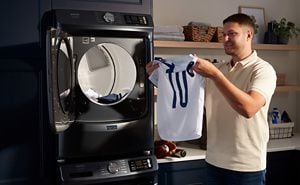
For tough stains on mesh, pre-treat gently with mild detergent. If unsure, hand wash mesh jerseys to avoid any damage during the wash cycle.
Washing Football Jersey Machine Tips
Football jerseys often have heavy prints and patches. Machine washing needs extra care to protect these features. Use cold water and delicate cycle only.
Turn the jersey inside out before placing it in a washing bag. This reduces friction on the printed sports team logo and patch areas. Avoid fabric softeners and bleach.
Line dry on a rack, not in direct sun. This preserves the print colors and fabric strength. For detailed tips on delicate fabrics, see how to how wash dog toys washing machine, which highlights gentle cleaning methods.
Conclusion
Washing sports jerseys in the machine in 2026 requires care to keep them fresh and intact. Always cold wash jerseys on a delicate cycle. Use mild detergent and avoid fabric softeners or bleach. Protect prints by turning jerseys inside out and using a washing bag.
For mesh or heavily printed jerseys, hand washing is a safe option. Dry jerseys on a rack away from direct sunlight to prevent fading and mildew. Following the washing instructions tag jersey is key for best results.
With the right approach, your jerseys will stay bright and last longer. Proper care means you can enjoy your sports gear season after season without worry.
Frequently Asked Questions
Can you machine wash all types of sports jerseys?
Most sports jerseys made of polyester or lycra blends can be machine washed using cold water and a delicate cycle. However, always check the item’s care label for specific instructions.
Should I use fabric softener when washing jerseys?
Fabric softener is usually not recommended for sports jerseys as it can affect moisture-wicking fabrics and damage the print. Use a mild detergent instead.
What is the best water temperature for washing jerseys?
Cold water is best for washing jerseys to prevent color fading and protect the fabric and print.
Is hand washing better than machine washing for jerseys?
Hand washing is gentler on delicate jerseys, especially those with mesh fabric or prints. Machine washing is fine if done on a delicate cycle with proper care.
How do I remove stains from sports jerseys?
Treat stains quickly with a gentle stain remover or mild detergent. Avoid harsh chemicals that can damage the fabric or print.

Roger Jacobs is a seasoned appliance expert with over 15 years of experience in the washing machine industry. He specializes in product reviews, energy efficiency, and innovative washing technologies, providing users with trustworthy insights to make informed purchasing decisions.