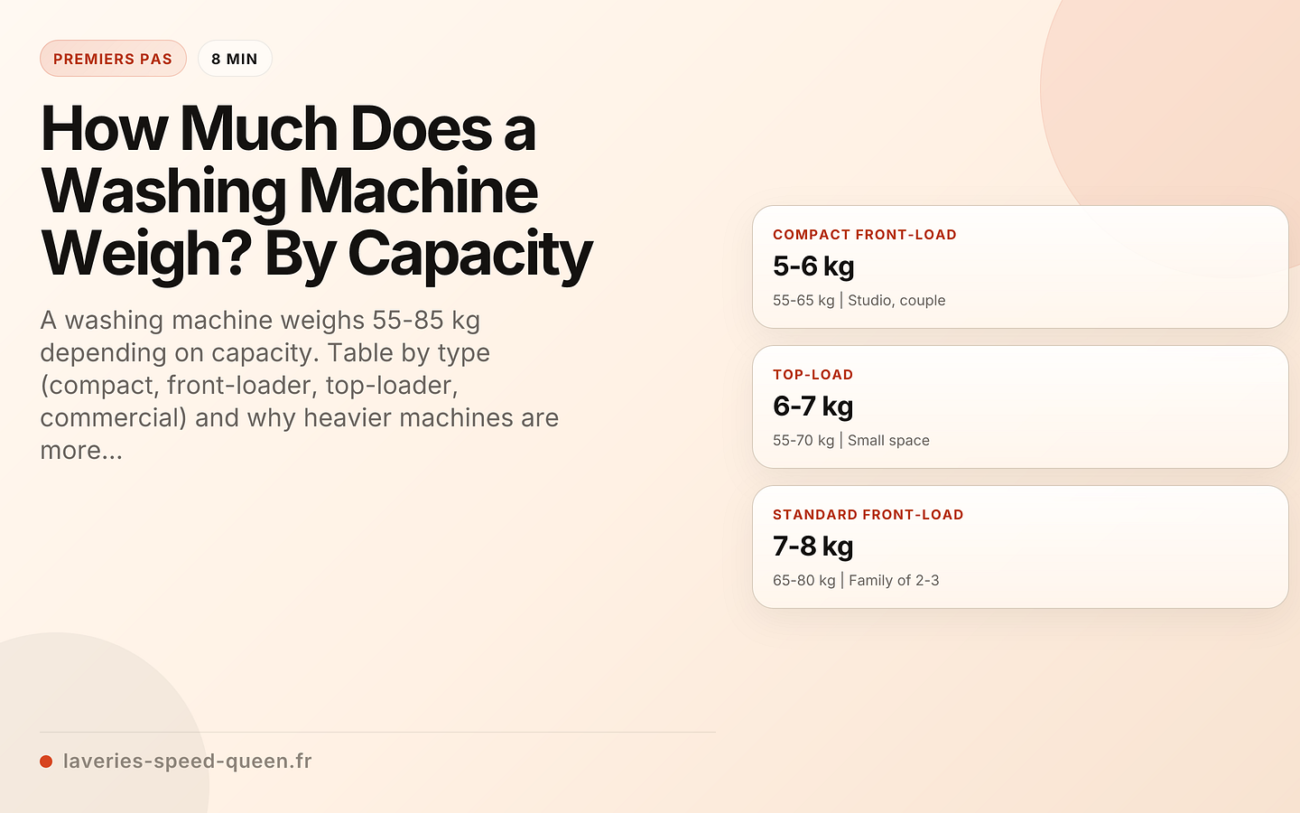
Ever eyeballed a washing machine at the store and wondered, how much do washing machines weigh? Turns out, that hefty box of clean clothes isn’t just heavy because of your laundry load. The weight varies wildly based on size, build, and tech inside. Let me tell you, if you’ve ever tried hauling one solo (like Joe from across the street hauling his new 50kg beast up two flights of stairs), you’d know—it’s no walk in the park!
- Average washing machine weight: 65-110 pounds (30-50 kg)
- Front-load machines are typically heavier than top-loads
- Weight affects installation and floor support needs
Why Does Washing Machine Weight Matter?
Knowing exactly how much do washing machines weigh isn’t just trivia—it impacts your living space, delivery options, and even the machine’s durability. Heavier models often mean more robust construction which means fewer breakdowns and quieter spins. But moving a 110-pound monster without a handtruck? Forget it.
Weight and Durability Connection
A solid machine weight generally indicates sturdy materials and parts designed to last. Think about Linda, who bought a featherweight washer off a discount site — she ended with costly repairs after just a year.
Types of Washing Machines and Their Weight Differences
- Top-Load Washers: Lighter, averaging 60-100 pounds. Easier to move but usually noisier and less efficient.
- Front-Load Washers: Bulkier and heavier, 120+ pounds common. Better cleaning, energy-saving, and longevity.
- Compact Models: Smallest and lightest, typically 50-70 pounds, perfect for tight apartments.
Factors Influencing Washing Machine Weight
Several elements stack to determine a washer’s total heft:
- Drum Material: Stainless steel drums add weight but boost lifespan.
- Motor Type: Advanced motors with inverter technology often weigh less yet pack more power.
- Additional Features: Built-in heaters, steam functions, and pumps increase weight.
Average Weight Range for Popular Models
| Type | Average Weight (lbs) | Weight (kg) |
|---|---|---|
| Standard Top-Load | 70-100 | 32-45 |
| Standard Front-Load | 100-130 | 45-59 |
| Compact Front-Load | 50-75 | 23-34 |
Handling and Moving Washing Machines Safely
Can’t just pick it up and stroll off. Manage that weight smartly:
- Get help — two people for anything over 75 pounds.
- Use equipment like dollies or moving straps.
- Plan your path — clear doorways and remove rugs.
- Protect floors with plywood sheets or rugs.
- Disconnect water and power safely before moving.
Pro Tip
Hiring professional movers for washing machines ensures safety and prevents damage. Not worth risking your back or the appliance for a weekend DIY hustle.
Installing and Supporting Your Washer
Weight impacts floor loading. Older homes might need reinforced floors if you install a heavyweight washer. Check manufacturer specs – they usually detail installation requirements.
Weight’s Impact on Energy Efficiency and Performance
Heavier washers often use more counterweights to reduce dance during spin cycles — which leads to less noise and better washing. Intriguingly, weight correlates (to an extent) with energy efficiency in modern designs. Front-loaders set the pace here.
Maintenance Tips Linked to Washer Weight
Larger, heavier machines can mean longer life but occasional fixes pop up, especially concerning their transport bolts which stabilize the drum during shipment. Forgetting to remove these before first use can cause major damage.
Common Buyer Mistakes About Weight
- Ignoring shipping weight when measuring for spaces and doorways.
- Assuming lighter is better — often not true for durability.
- Forgetting to factor weight into final delivery costs.
Related Considerations
- Capacity Vs. Weight: Bigger load capacity generally means heavier units because of larger drums and more material.
- Brands to Watch: Premium brands tend to build heavier, durable machines.
- Warranty and Support: Heavier machines may have better warranties due to quality build.
When to Call a Professional
Hauled a washer wrong and it’s making noises? Installation going sideways? Don’t keep guessing — technicians know those complex parts inside.
Further Reading and Resources
Want to understand washing capacity and tubs? Check out this detailed washing machine load size reference chart for more nuances.
Curious about machine capacity explained? Appliances Online breaks down washing capacity efficiently.
For complete laundry load guides, browse Laundry Load 101 by Rinse.com.
Wonder if heavier washers mean longer lifespans? Houzz has a growing discussion on washer weight and durability.
Wrapping up, knowing how much do washing machines weigh can make a huge difference when buying, moving, or maintaining your appliance. It’s not just a number; it’s your ticket to making smart, safe choices for your home and laundry routine.

Source: prudentreviews.com

Source: hernebaydomestics.co.uk
Source: inthewash.co.uk
Frequently Asked Questions
What is the average weight of a standard washing machine?
The average washing machine weighs between 65 to 110 pounds (30 to 50 kg), depending mostly on type and capacity.
Why are front-loading washers heavier than top-loading ones?
Front-load washers have more durable components and use counterweights to stabilize the drum, adding extra heft compared to top-load models.
Can I move a washing machine by myself safely?
For machines weighing over 75 pounds, it’s advisable to have at least one helper, use a dolly, or hire professionals to avoid injury or damage.
Does the weight of a washing machine affect its energy efficiency?
Generally, heavier front loaders tend to be more energy-efficient and quieter due to better construction and counterweights during spin cycles.
How does washing machine weight influence installation?
Heavier washers might require reinforced flooring and more precise installation to handle the load safely and avoid vibrations or structural damage.
Should I consider washer weight when buying for an apartment?
Absolutely. Compact, lighter models are better for small or upper-floor apartments to ease delivery and reduce strain on floors.
Are heavier washing machines more durable?
Typically, yes. Heavier washing machines often use higher quality materials and parts, translating to improved durability and lifespan.

With over 15 years of hands-on experience in the appliance repair industry, Erick Jackson is WashingMachineCare’s resident gearhead. He holds multiple manufacturer certifications and specializes in breaking down complex mechanical failures into easy, step-by-step DIY fixes. When he’s not covered in grease, Erick Jackson enjoys restoring vintage washing machines to their former glory.