
Understanding Front Loader Weight
Front loaders are key machines in construction and agriculture. Knowing the weight specifications helps with safety and efficiency. The total mass includes the machine, attachments, and payload. Weight affects how much a loader can lift and move.
Operating weight varies by model and type. For example, compact front loaders weigh much less than large industrial ones. We will explore these differences and explain why weight matters in 2026.
Before diving deeper, it’s helpful to review how equipment weight ties into overall machine design and function. For those interested in other heavy equipment weights, learning about how much washing machines weigh offers a practical comparison of machine weight and operation.
Front Loader Size and Weight Overview
Most front loaders range widely in size. Small loaders can weigh as little as 3,000 pounds, while large wheel loaders tip the scales at over 50,000 pounds. This wide range suits many job types.
Front loader dimensions also vary. They affect transport needs and site access. Weight distribution is key to machine balance and traction. Heavier loaders tend to have better stability but need strong surfaces to operate safely.
Weight is often split between the loader’s frame, engine, hydraulic system, and attachments. The lifting arms and bucket add mass that changes depending on the load.
| Loader Type | Weight Range (lbs) | Bucket Capacity (yd³) | Lifting Capacity (lbs) |
|---|---|---|---|
| Mini Front Loader | 3,000 – 8,000 | 0.2 – 0.5 | 1,000 – 3,000 |
| Compact Front Loader | 8,000 – 15,000 | 0.5 – 1.5 | 3,000 – 7,000 |
| Industrial Wheel Loader | 30,000 – 50,000+ | 2 – 6+ | 10,000 – 30,000+ |
These figures guide operators and buyers in choosing loaders for specific tasks. A heavier machine usually means more power but also higher fuel use and transport costs.
Proper front loader size and weight help meet job demands safely without overloading the machine or work site.
Weight Distribution and Machine Stability
Weight distribution is critical to front loader safety and performance. The mass must be balanced between front and rear axles. This balance controls traction and prevents tipping.
When lifting heavy loads, the front of the machine carries more weight. The rear counterweight offsets this. Manufacturers design loaders to keep weight centered for stability.
Tracked loaders have better weight distribution than wheeled ones. Tracks spread weight over a larger area, reducing ground pressure. This helps in soft or uneven terrain but adds total machine weight.
Wheeled loaders are lighter and faster. They work well on hard surfaces but need care when lifting heavy loads to avoid tipping forward.
Operators must consider wheel loader weight limits and attachments weight to keep machines within safe operating range. Overloading risks damage and accidents.
Lifting Capacity vs Front Loader Weight
Heavier front loaders usually have higher lifting capacity. More weight means a stronger frame and engine. However, lifting capacity also depends on hydraulic power and machine balance.
The loader bucket capacity links closely to lifting ability. Large buckets hold more material but add weight. This changes the center of gravity and affects machine control.
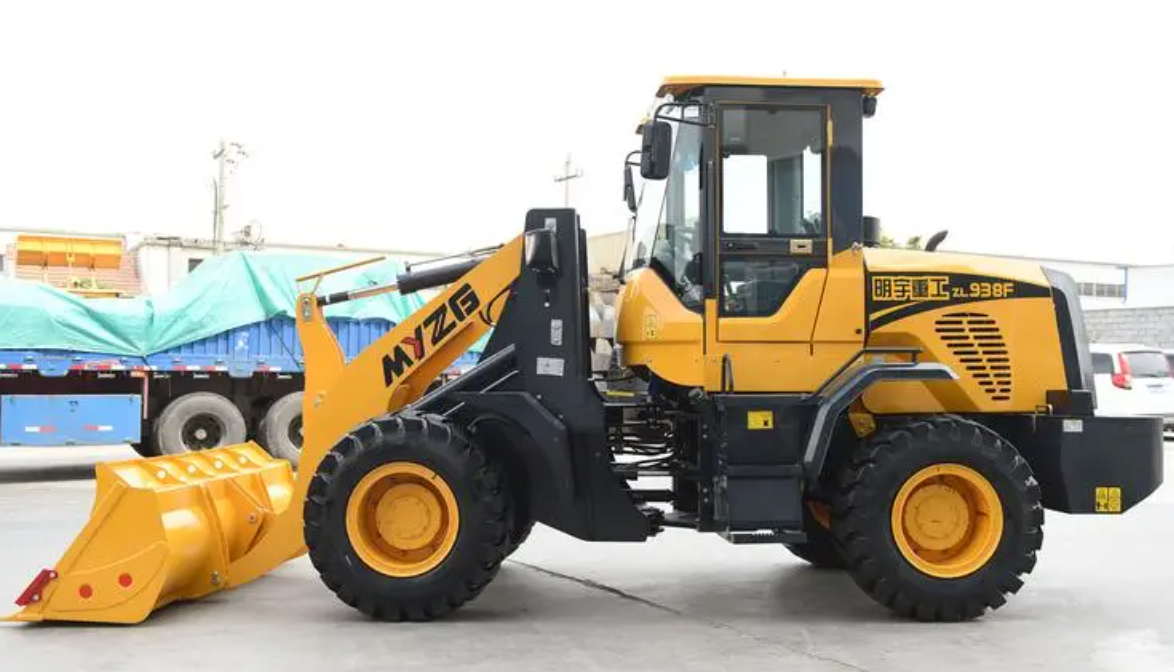
Some machines have adjustable counterweights to improve lifting limits. Others use advanced hydraulics for precise control at maximum loads.
Understanding the link between weight and lifting capacity helps operators plan safe lifts and avoid overload. Always check manufacturer specs for weight limits and bucket sizes.
For more detailed specs on front loaders and their lifting power, see the ultimate wheel loader specs guide.
Tracked vs Wheeled Front Loader Weight
Tracked front loaders weigh more than wheeled models. Tracks spread the load and improve traction but add weight. This can be 10-20% more than a similar wheeled loader.
Wheeled loaders offer speed and easier transport. They weigh less and cause less soil damage. Tracked loaders excel in rough terrain and mud.
The choice depends on job site conditions and task needs. Consider the weight differences when planning equipment transport and usage.
Weight also affects fuel efficiency and maintenance. Heavier tracked loaders may use more fuel but provide better grip and stability.
Operators often select machines based on these trade-offs, balancing weight, power, and mobility.
Front Loader Attachments and Weight Impact
Attachments add functional versatility but increase total weight. Buckets, forks, grapplers, and snow plows all add mass.
Operators must account for attachment weight when calculating safe lifting capacity. Too heavy an attachment reduces how much load the loader can handle.
Hydraulic systems may need adjustment or upgrades to handle heavy attachments. Weight distribution changes, so machine balance can shift.
It is important to consult manufacturer guidelines on attachment weight limits and proper installation.
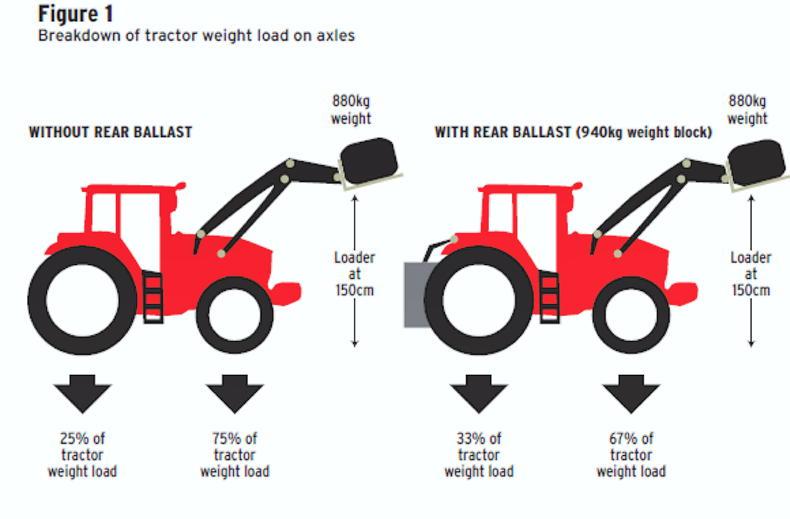
Keeping track of all component weights ensures machine safety and efficient operation.
| Attachment Type | Average Weight (lbs) | Impact on Lifting Capacity |
|---|---|---|
| Standard Bucket | 1,000 – 3,000 | Moderate |
| Heavy-Duty Forks | 1,200 – 2,500 | Moderate |
| Grapple | 1,500 – 3,500 | High |
| Snow Plow | 1,800 – 4,000 | High |
Always weigh attachments and add this to machine weight for safe load calculations. Ignoring attachment weight risks accidents and damages.
Front Loader Safety and Weight Limits
Operating within weight limits is critical for front loader safety. Overloading leads to machine failure or tipping.
Manufacturers provide safety weight limits including operating weight, lifting capacity, and attachment weight. Operators must respect these limits.
Regular checks of machine balance and weight distribution help avoid hazards. Proper training on weight handling is essential.
Safety features like overload alarms and stability controls are common in modern loaders.
Following best practices improves operator safety and machine life.
Conclusion: Weight Matters for Front Loaders in 2026
Understanding front loader weight and its impact is vital for safe and efficient work. Weight affects lifting capacity, stability, fuel use, and transport.
From mini to industrial loaders, knowing size, weight, and attachments weight helps choose the right machine for the job. Tracked and wheeled loaders each have weight trade-offs to consider.
Operators should always check detailed specs and follow safety weight limits. This knowledge supports strong performance and long machine life.
For a deeper dive into construction equipment weight, exploring resources on wheel loaders and front end loaders from Caterpillar offers valuable insights.
In 2026, smart use of weight data is essential for front loader success.
Frequently Asked Questions
What is the typical operating weight of a front loader?
Most front loaders weigh between 10,000 to 50,000 pounds depending on size and type. Compact models weigh less, while industrial models weigh much more.
How does front loader weight affect lifting capacity?
Heavier loaders usually have greater lifting capacity due to better stability and stronger engines, but weight must be balanced for safety.
What are the differences between tracked and wheeled front loaders?
Tracked loaders offer better traction and weight distribution but weigh more. Wheeled loaders are faster and lighter, ideal for paved surfaces.
How important is the weight of front loader attachments?
Attachments add extra weight and affect balance and lifting limits. Operators must consider attachment weight to avoid overload.
Where can I find detailed specs about front loader weight and size?
Manufacturer websites and equipment spec guides provide detailed info. For a deeper understanding, analyzing resources on wheel loader specifications offers excellent context.

Roger Jacobs is a seasoned appliance expert with over 15 years of experience in the washing machine industry. He specializes in product reviews, energy efficiency, and innovative washing technologies, providing users with trustworthy insights to make informed purchasing decisions.