Ever tossed your crisp white shirts into the washing machine only to pull out dull, greyish lumps? You’re definitely not alone. How to wash whites in a washing machine is a crucial skill that anyone who loves bright clothes must master. Think of a bright white tee baptized by sunlight right out of the wash—that’s the dream, right? Let’s jump right in and explore effective, safe ways to get that effect consistently.
Why Whites Lose Their Brightness
Whites go dingy over time for several reasons — dirt, oils, detergent residue, and even mixing with colored clothes in the wash. Science shows that fabric fibers hold onto these grime particles stubbornly, causing that off-color look. Avoiding this battle starts with understanding your washing machine’s settings and your detergent choices.
Selecting the Right Detergent
Stick with detergents specially designed for whites or those boasting optical brighteners. These brighten fabric by absorbing UV light and reflecting it back, tricking the eye into seeing a crisper color. Avoid heavy perfumes or dyes that might stain your whites.
Temperature Matters
Hot water is your ally when washing whites but only if your fabric can take the heat. Always check labels first. Hot water melts stains and dissolves detergent well but can shrink or damage delicate fibers. If unsure, opt for warm water. Cold water saves energy but is less effective against most stains on whites.
Separate Your Whites
Mixing whites and colors? Big no-no. Dyes from colored clothing sneak into whites and cause greying or yellowing. Sort diligently before washing to maintain your white wardrobe’s brightness.
Step-by-Step Guide: How To Wash Whites In A Washing Machine
- Sort your laundry to gather all white items together.
- Pre-treat stains using a mild stain remover or diluted detergents directly on the spots.
- Load your whites loosely to allow space for effective washing.
- Choose the hottest water safe for the fabric.
- Add the recommended amount of detergent specifically formulated for whites.
- Consider using a whitening agent or a safe bleach alternative if the care label allows it.
- Start the washing machine on a normal or heavy-duty cycle.
- Once washed, dry whites preferably in sunlight, which naturally bleaches and refreshes fabrics.
Common Mistakes to Avoid
- Overloading the machine causing poor cleaning and fabric rubbing.
- Using chlorine bleach on delicate fabrics which weakens them over time.
- Ignoring washing instructions on clothing labels.
- Mixing whites with colored textiles.
Bleach Alternatives: Go Gentle on Your Whites
Chlorine bleach can be harsh and is not eco-friendly. Oxygen-based bleach or baking soda are brilliant, gentler options to brighten whites safely. They also prevent yellowing without degrading fabric fibers as chlorine can.
When To Call in the Pros
If whites still look grimy after several attempts or you’re dealing with tough stains in delicate fabrics like silk or wool, it’s wise to seek professional laundry services. Dry cleaners have tools and chemicals that bring new life to whiteness without damage.
Maintaining Bright Whites: Beyond Washing
Storage matters. Clean, dry, and cool spots prevent yellowing and mildew. Regularly check for stains after use and treat immediately before laundering. This preemptive care keeps whites shining longer.
For a deeper dive on how to wash your white clothes with expert step-by-step tips, GoodLaundry offers an excellent walkthrough. Meanwhile, The Spruce provides practical advice to sustain bright whites season after season.
One more powerhouse in your white-washing arsenal? The natural bleaching power of sunlight. When in doubt, let your whites sun-dry outdoors and watch their brilliance return!
Your laundry routine deserves to include how to wash whites in a washing machine with care and precision. These techniques preserve your clothes and save you from the constant grays and yellows that plague white fabrics. Every fresh load is proof that thoughtful laundry turns chores into simple victories.
For more innovative tips specifically at home, including smart laundry hacks, check out the insights on how to wash white clothes step by step. These layers of advice make a big difference when you want your whites white and winning.
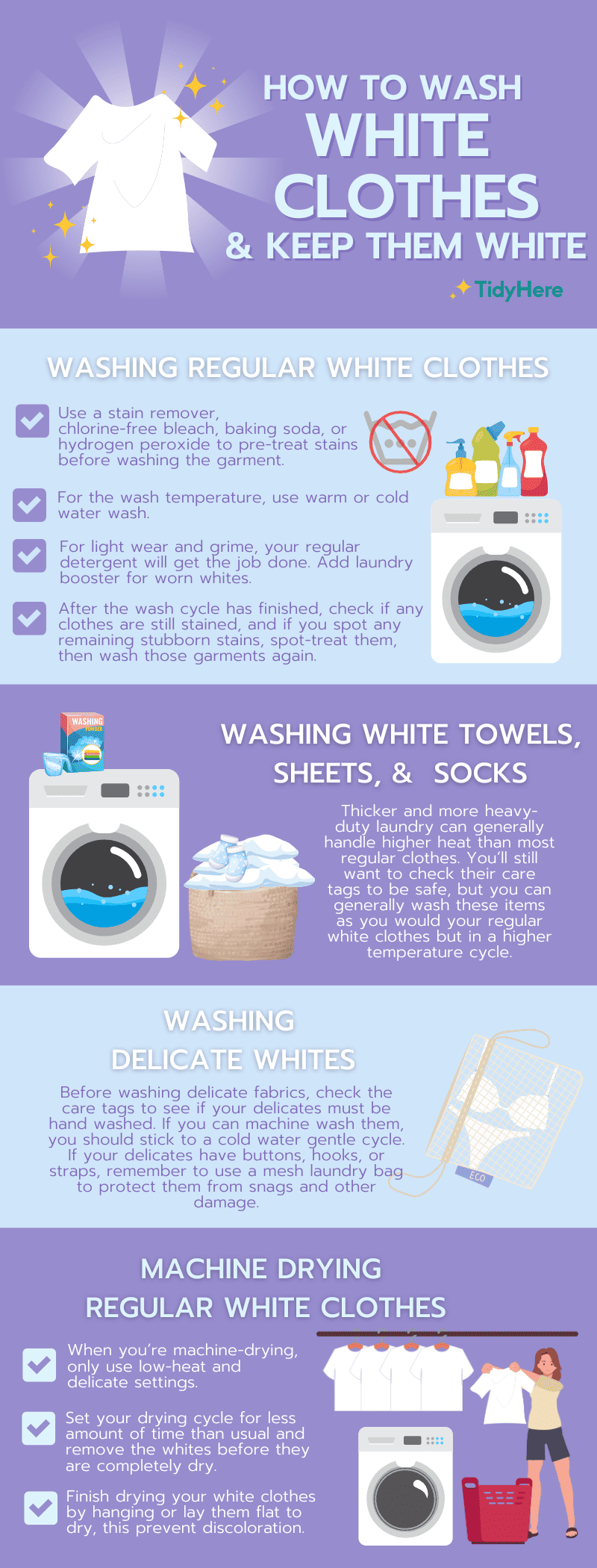
Source: tidyhere.com

Source: www.youtube.com

Source: obviouslyapparel.com
Frequently Asked Questions
What temperature should I use to wash white clothes?
Use the hottest water safe for the fabric according to its care label. Hot water works best to remove stains and keep whites bright, but delicate fabrics may require warm or cold water to avoid damage.
Can I use bleach on all white clothes?
No. Chlorine bleach can damage delicate fabrics. Always check labels. Use oxygen-based bleach or alternatives like baking soda for a gentler, safer option that brightens without harm.
Why are my whites turning gray even though I wash them separately?
Gray whites usually mean detergent residue buildup, overloading the machine, or hard water issues. Use the correct detergent amount and don’t pack clothes tightly. Adding vinegar in the rinse cycle can help break down residues.
How often should I wash white clothes to keep them bright?
Wash whites after every wear if possible to prevent oils and dirt from settling. Prompt treatment of stains and careful washing routines keep whites looking fresh longer.
What is the best way to dry whites after washing?
Air drying in sunlight is best for whites, as UV rays naturally brighten fabrics. If using a dryer, select a low heat setting to prevent yellowing and fiber damage.

Tyrone Jacobs is passionate about reducing household carbon footprints without sacrificing cleanliness. Her articles focus on high-efficiency (HE) machines, low-water washing techniques, and DIY natural machine-cleaning solutions. If you want to lower your utility bills and keep harsh chemicals out of your drain hoses, Tyrone Jacobs is your go-to expert.