
Ever stared at your washing machine’s specs wondering, how many watts for washing machine actually mean in your daily laundry? The sheer spectrum of power usage can baffle even seasoned homeowners. Some day, you might swear your washer guzzles electricity like a race car. Other times, it feels almost gentle on your bills. We’re about to unravel these contradictions and provide insights that’ll save you from unexpected electricity shocks in 2026.
Understanding Washing Machine Power Consumption 🔢
The question of how many watts for washing machine depends heavily on the type and settings you choose. Modern front loaders tend to consume less average power thanks to their efficient motor technology and lower water use compared to top loaders. However, the Devil’s in the details.
Different cycles, water temp, and load sizes significantly influence power draw. Think of a washing machine like your car’s gas pedal—heavy acceleration (hot water, heavy load) burns more fuel, here it means more watts.
What Affects Washing Machine Wattage?
- Type of machine (front load vs. top load)
- Wash cycle temperature (cold, warm, hot)
- Load size and fabric type
- Age and efficiency rating of appliance
- Duration of the wash cycle
For example, a heating element used in hot water cycles spikes power usage dramatically. According to an informative resource on EnergySage’s washing machine watt breakdown, machines typically use 400-500 watts for washing but can surge to over 2000 watts during heating.
Breaking Down Watt Usage During Laundry Cycles 🚀
Let’s snap open the box of watt consumption across a typical laundry load to see what powers are in play.
| Cycle Phase | Watts Used | Details |
|---|---|---|
| Wash Cycle (Cold) | 350-500 watts | Motors operate with no heating |
| Wash Cycle (Hot) | 1500-2000 watts | Heating element active, motors running |
| Spin Cycle | 300-400 watts | Motor runs at high speed |
| Idle Mode | Less than 10 watts | Control panel and sensors active |
Energy Efficiency Tips to Cut Your Laundry Bill 💡
Don’t just stop at knowing how many watts for washing machine. Let’s make sure you’re not throwing money down the drain with inefficient habits.
- Choose cold wash cycles whenever possible to avoid heating element power spikes
- Run full loads to maximize watts per kg of laundry
- Maintain your machine regularly to prevent strain — clogged filters or faulty motors waste power
- Upgrade to Energy Star-rated models for advanced efficiency
- Use eco settings; many modern machines optimize power consumption
“I switched to cold water cycles last year and sliced almost 30% off my washing-related electricity bills — straight to savings!” — Jenna, who runs a busy daycare center laundry room in Brooklyn
Calculating Your Washing Machine’s Actual Energy Costs 🔢
Want to know what those watts translate to in dollars? Here’s a quick formula:
- Check the wattage of your machine during an average wash (e.g., 500 watts)
- Estimate number of hours used per wash cycle (e.g., 1 hour)
- Multiply watts by hours to get watt-hours (e.g., 500 watts x 1 hour = 500 Wh = 0.5 kWh)
- Multiply kWh by your electricity rate (e.g., $0.13/kWh)
So, charging about 0.5 kWh x $0.13 equals roughly $0.065 per wash. Small but adds up! If you factor in hot water heating, the cost escalates fast.
For more precise energy costs info, check EcoFlow’s detailed wattage guide which offers examples of watt trends per wash type. This can empower smart laundry scheduling.
Common Power Usage Mistakes and Prevention ⚖️
- Leaving machine running frequently on half-load cycles
- Using hot water unnecessarily
- Ignoring machine maintenance leading to inefficiency
- Overdoing heavy cycles for delicate fabrics
By keeping these factors in check, slashing power bills becomes doable even in lavish 2026 energy markets.
When To Call A Professional?
If your washing machine’s power consumption spikes abnormally or if you suspect an electrical fault, don’t gamble. Faulty motors, damaged heating elements, or wiring issues can peg wattage abnormally high — and invite costly repairs or safety hazards. A certified technician should inspect the machine, especially if you notice burning smells or tripped breakers.
How Future-Proof Is Your Washer’s Energy Use?
Tech advances ride the wave of efficiency. Expect more machines in 2026+ sporting inverter motors, AI wash optimization, and integration with smart home systems to reduce unnecessary power draw. While upfront investment is higher, energy savings justify replacing decade-old units sooner rather than later.
In Summary 💬
The question how many watts for washing machine always loops back to your specific model, cycles, and habits. Monitoring your usage pays off. Understand your appliance’s wattage patterns, adjust your laundry habits thoughtfully, and keep the machine in top shape. Such practical measures protect your wallet and planet alike.
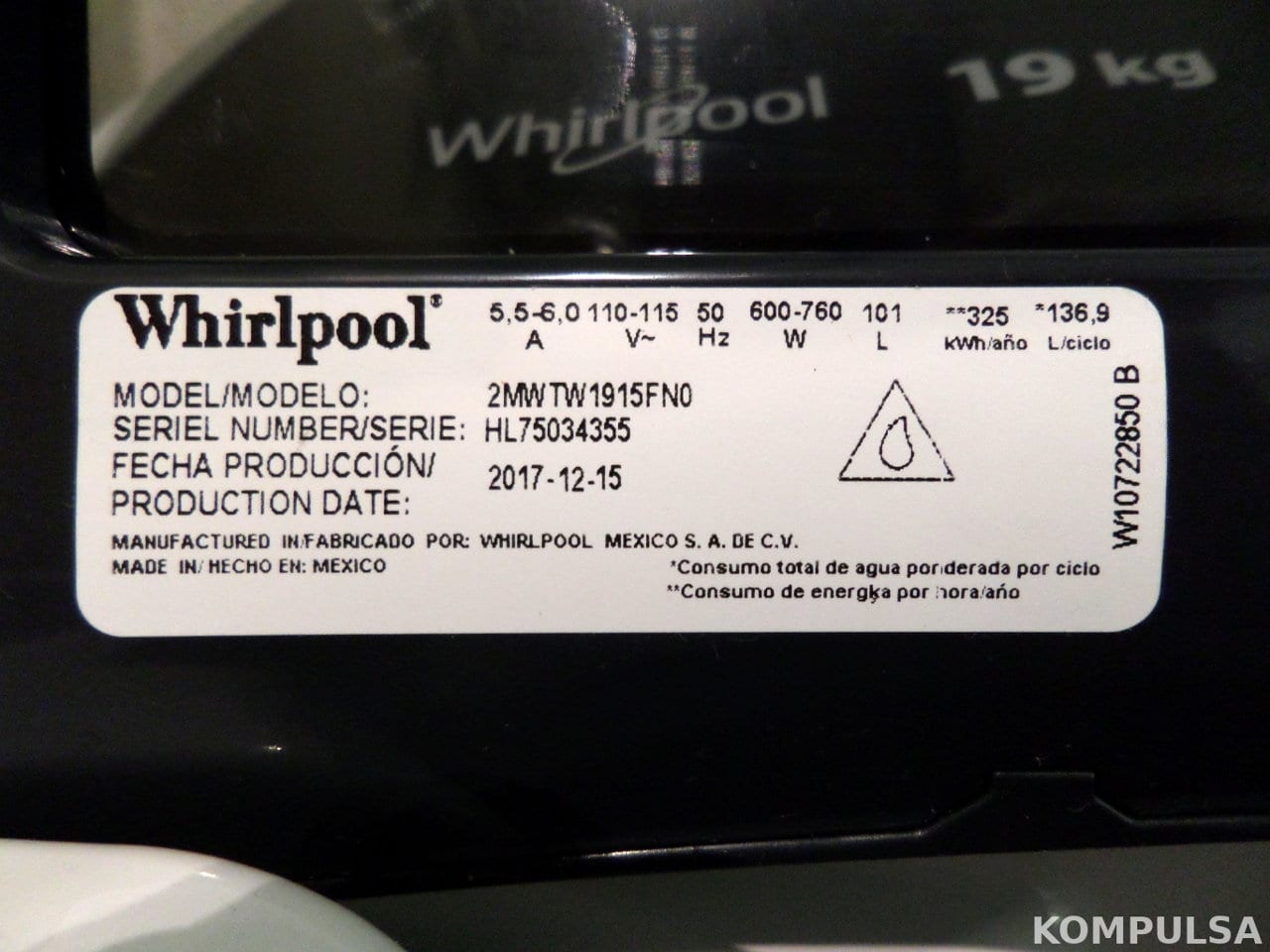
Source: www.kompulsa.com
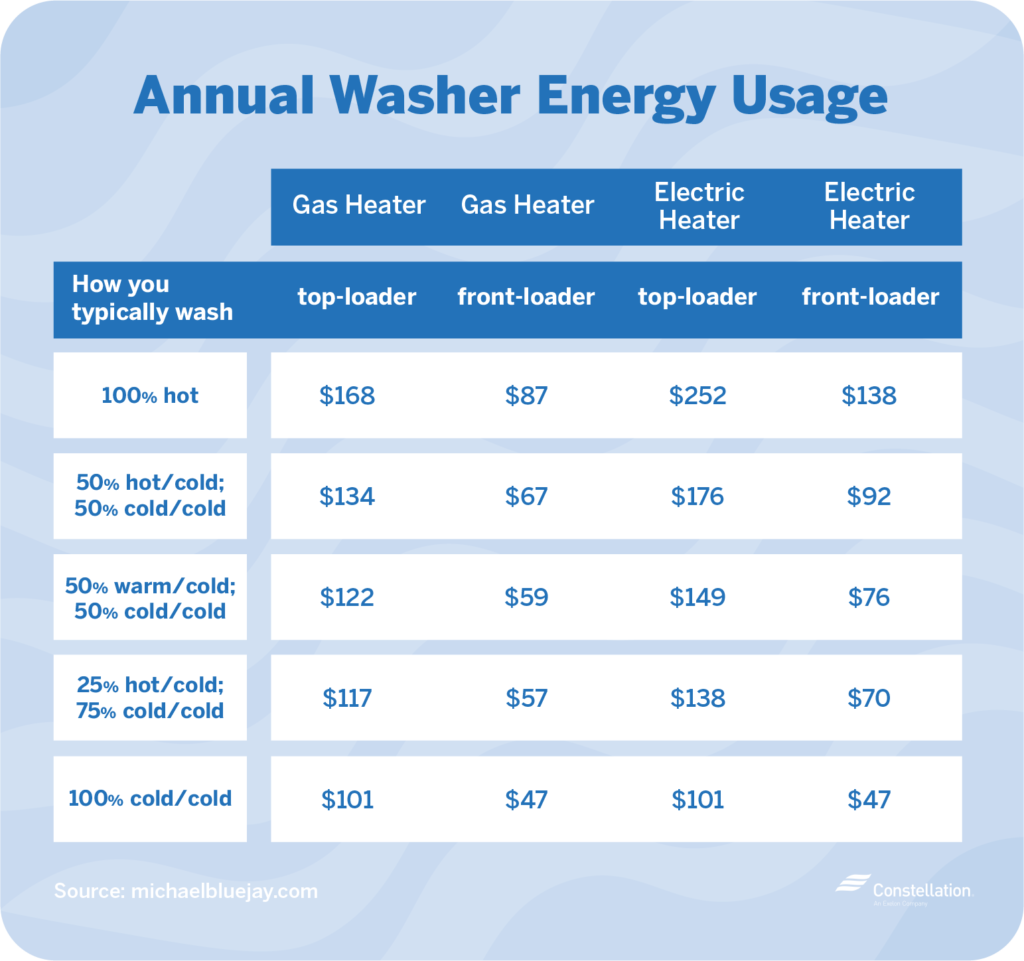
Source: blog.constellation.com
Frequently Asked Questions
How many watts does a typical washing machine use?
Most washing machines consume around 350 to 500 watts during wash cycles, with peaks up to 2000 watts if using hot water due to the heating element.
Does the water temperature affect the wattage?
Absolutely. Hot water cycles use significantly more power because the heating element activates, sometimes increasing wattage by 4 times compared to cold cycles.
Can a washing machine consume power while idle?
Yes, but it’s minimal, typically less than 10 watts, powering display and sensor functions during standby.
How can I reduce my washing machine’s energy consumption?
Use cold washes, full loads, eco settings, and keep your machine well-maintained. Upgrading to energy-efficient models also helps cut consumption.
Is it worth replacing an old washing machine for energy savings?
If your unit is over 10 years old and inefficient, replacing it with an Energy Star-certified model can drastically reduce power usage and save on electricity bills over time.
What should I do if my washing machine’s power consumption spikes unexpectedly?
Contact a professional technician to check for electrical faults, as abnormally high wattage may indicate motor or heating element issues requiring repair.

With over 15 years of hands-on experience in the appliance repair industry, Erick Jackson is WashingMachineCare’s resident gearhead. He holds multiple manufacturer certifications and specializes in breaking down complex mechanical failures into easy, step-by-step DIY fixes. When he’s not covered in grease, Erick Jackson enjoys restoring vintage washing machines to their former glory.