Ever found yourself staring at the washing machine, wondering how long does washing machine take to wash clothes? The answer isn’t always straightforward. It steers through a maze of settings and factors, from fabric type to detergent amount, sometimes turning a quick shirt wash into a marathon. Let’s not beat around the bush; getting your laundry done swiftly can feel like a race against time, especially when life gets hectic.
What Determines Washing Machine Cycle Times?
The truth is cycle length hinges on several things. Is it the type of fabric? The wash program you choose? Or maybe the eco-friendly settings that save water but drag the time out? The interplay of these factors makes predicting exact times tricky.
Type of Wash Cycle
Not all washes are born equal. A quick wash promises speed (often under 30 minutes) but may sacrifice deep cleaning. Heavy-duty cycles can stretch well past an hour, handling dirt and stains like a pro.
Load Size and Distribution
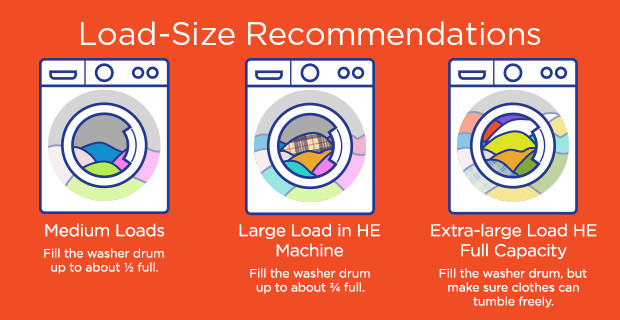
A half-empty drum doesn’t justify a long spin. Overloading, on the other hand, can jam the process and cause longer cycles. Spread your laundry right to keep the clock ticking smoothly.
Fabric Types
Delicates? Cotton? Each demands unique treatment. Delicate cycles slow down for gentle care; cotton cycles may spin more aggressively, affecting duration.
Average Times to Expect
So, how long does washing machine take to wash clothes? Here’s a rough guide:
- Quick or Express Wash: 15-30 minutes
- Normal or Everyday Wash: 40-60 minutes
- Heavy Duty or Deep Clean: 70-90 minutes
Remember, these ranges shift based on your specific machine and settings.
Modern Tech: How Innovations Affect Washing Time
Newer machines flaunt features like sensors that detect load weight and dirt level, adjusting water and cycle length accordingly. That means sometimes your wash is done faster, sometimes longer but more thorough.
Tips to Optimize Your Wash Cycle Time
- Choose the right cycle for your load — no more, no less.
- Avoid overstuffing the drum to let garments move freely.
- Use the correct detergent amount to prevent residue build-up.
- Consider pre-treating stains to avoid extra heavy-duty cycles.
- Lean on quick wash cycles for lightly soiled clothes.
Energy and Water Considerations
Cycle length has a say in your utility bills. Longer cycles generally use more water and electricity. For the eco-conscious, aim for cycles that balance cleanliness with consumption. For details on average cycle times and efficiency, see this comprehensive analysis of washing machine cycle times.
When to Call for Professional Help
Noticing your washer runs forever regardless of cycle settings? That’s a red flag. Faulty sensors or control boards can mess with timing, requiring expert repairs. Check out signs and professional guidance from laundry care experts.
Common Myths About Washing Machine Times
- Myth: Longer cycles always clean better.
- Fact: Sometimes shorter cycles with proper detergent and temperature suffice.
- Myth: Quick washes damage clothes more.
- Fact: Delicate settings on quick cycles protect fabric well.
Got Your Machines? Laundry Care Tips for Longevity
To keep your washing machine in shape, routinely clean filters, avoid overuse of detergent, and balance loads properly. This keeps cycles efficient and your clothes clean.
“I used to dread laundry Sunday because my wash took forever—then I learned to tweak cycles and — boom! — laundry done in half the time, with clothes spotless.”
Understanding Your Washing Machine Settings
- Temperature Control: Hot water cycles can shorten wash times by speeding stain removal but may harm delicate fabrics.
- Spin Speed: Higher spins reduce drying time but may extend wash length if dealing with heavy fabric.
- Soak and Presoak: Adds time but tackles tough stains before washing.
Balancing Cleanliness Versus Time
Not every load is a battle for deep stain removal. Sometimes, when pressed for time, a quick but gentle cycle gets your clothes fresh and wearable without burning hours in front of the machine.
External Factors Influencing Cycle Length
Water pressure, detergent efficiency, and even voltage fluctuations can impact cycle timing. For instance, low water pressure often extends washing times.
Seasonal Tips for Laundry
Winter may mean slower water heating, increasing cycle times slightly — factor that in if timing is critical.
Summary: How Long Does Washing Machine Take To Wash Clothes?
So, after walking through all the fluff, the real answer to how long does washing machine take to wash clothes hinges on many intertwined elements. From cycle type, load size, fabric types, to machine tech and settings, expect an average between 30 to 90 minutes. But tweaks and mindful choices can easily slice your laundry time in half — a win when you’re juggling life’s many hats. 🚀

Source: www.love2laundry.com

Source: www.rinse.com
Source: tide.ca
Frequently Asked Questions
What is the quickest washing machine cycle available?
The quickest cycles, often called “quick wash” or “express wash,” typically last between 15 to 30 minutes, designed for lightly soiled clothes.
Does a longer wash cycle guarantee cleaner clothes?
Not necessarily. While longer cycles can help with heavy dirt, modern detergents and appropriate cycle selection often clean effectively in shorter times.
Can I reduce washing time by overloading the machine?
Overloading can cause inefficient washing and longer cycle times, as clothes can’t move freely. It may also damage your machine.
How does fabric type affect washing time?
Delicate fabrics require gentle, often longer cycles to prevent damage, while sturdy fabrics like cotton can handle faster, harsher cycles.
Why does my washing machine sometimes take longer than usual?
Possible causes include sensor issues, water pressure problems, or selecting heavier wash programs. If it persists, check with a technician.
Is it more energy-efficient to use shorter wash cycles?
Usually, yes. Shorter cycles use less water and electricity, especially when washing lightly soiled clothes.
How can I optimize my laundry process for speed?
Sort clothes by soil level, choose appropriate cycles, avoid overloading, and pre-treat stains for efficient washing.

With over 15 years of hands-on experience in the appliance repair industry, Erick Jackson is WashingMachineCare’s resident gearhead. He holds multiple manufacturer certifications and specializes in breaking down complex mechanical failures into easy, step-by-step DIY fixes. When he’s not covered in grease, Erick Jackson enjoys restoring vintage washing machines to their former glory.