
Introduction to Washing Stuffed Toys
Stuffed toys are beloved by kids and adults alike. Keeping them clean helps with toy hygiene and care. In 2026, washing stuffed toys safely is easier with modern machines. Always check if the toy is a machine washable stuffed animal before washing. This guide offers safe toy washing methods and tips to protect your plush friends.
For a deeper understanding of cleaning stuffed animals, analyzing resources on cleaning stuffed animals provides excellent foundational context. Now, let’s explore how to wash stuffed toys in a washing machine without harming them.
Preparing Stuffed Toys for the Washing Machine
Before washing, inspect your stuffed toy carefully. Check the tag for washing instructions. If the tag is missing, consider the fabric and stuffing type. Delicate fabrics or glued parts may not handle machine washing well.
Put the stuffed toy inside a mesh laundry bag. This protects it from rough machine movements. Using a toy washing mesh bag is a smart step to keep the shape and fabric intact. Remove any loose parts or accessories.
Choosing the right detergent matters. Use mild detergent made for delicate fabrics or baby items. Avoid harsh chemicals to protect soft toys and their stuffing.
Selecting Washing Machine Settings for Stuffed Toys
Set your washing machine to a gentle or delicate cycle. Cold water is best for stuffed animals. It prevents color fading and fabric shrinkage. Avoid warm or hot water as it can damage stuffing.
Use a small amount of mild detergent. Too much soap can be hard to rinse out of plush toys. Skip fabric softener unless the tag allows it. Some softeners can harm delicate fabrics.
Load the machine carefully. Wash stuffed toys with similar items or towels to balance the load. This reduces wear and tear on the toy and machine.
| Setting | Option |
|---|---|
| Cycle Type | Gentle or Delicate |
| Water Temperature | Cold |
| Detergent | Mild, Baby-safe |
| Spin Speed | Low |
Careful setting choices preserve the toy’s shape and fabric. This advice aligns with expert consensus on washing stuffed animals safely.
After washing, drying is just as important. Let’s discuss that next.
Drying Stuffed Toys Properly
Avoid dryers when possible to prevent heat damage. Air drying is safest. Lay the toy flat on a clean towel or hang it in a well-ventilated area. Make sure it dries fully to avoid mold or odors.

If you use a dryer, select the lowest heat or air fluff setting. Place the toy inside a mesh bag to protect it. Adding clean tennis balls helps keep the toy fluffy by breaking up clumps of stuffing.
- Remove toy from washing machine gently.
- Press out excess water with towel (do not wring).
- Place toy flat or hang to air dry in shade.
- If using dryer, use low heat and mesh bag.
- Fluff stuffing by hand after drying.
Proper drying preserves stuffed toy shape and prevents fabric damage. This step is key for long-lasting plush toys.
Removing Stains from Plush Toys
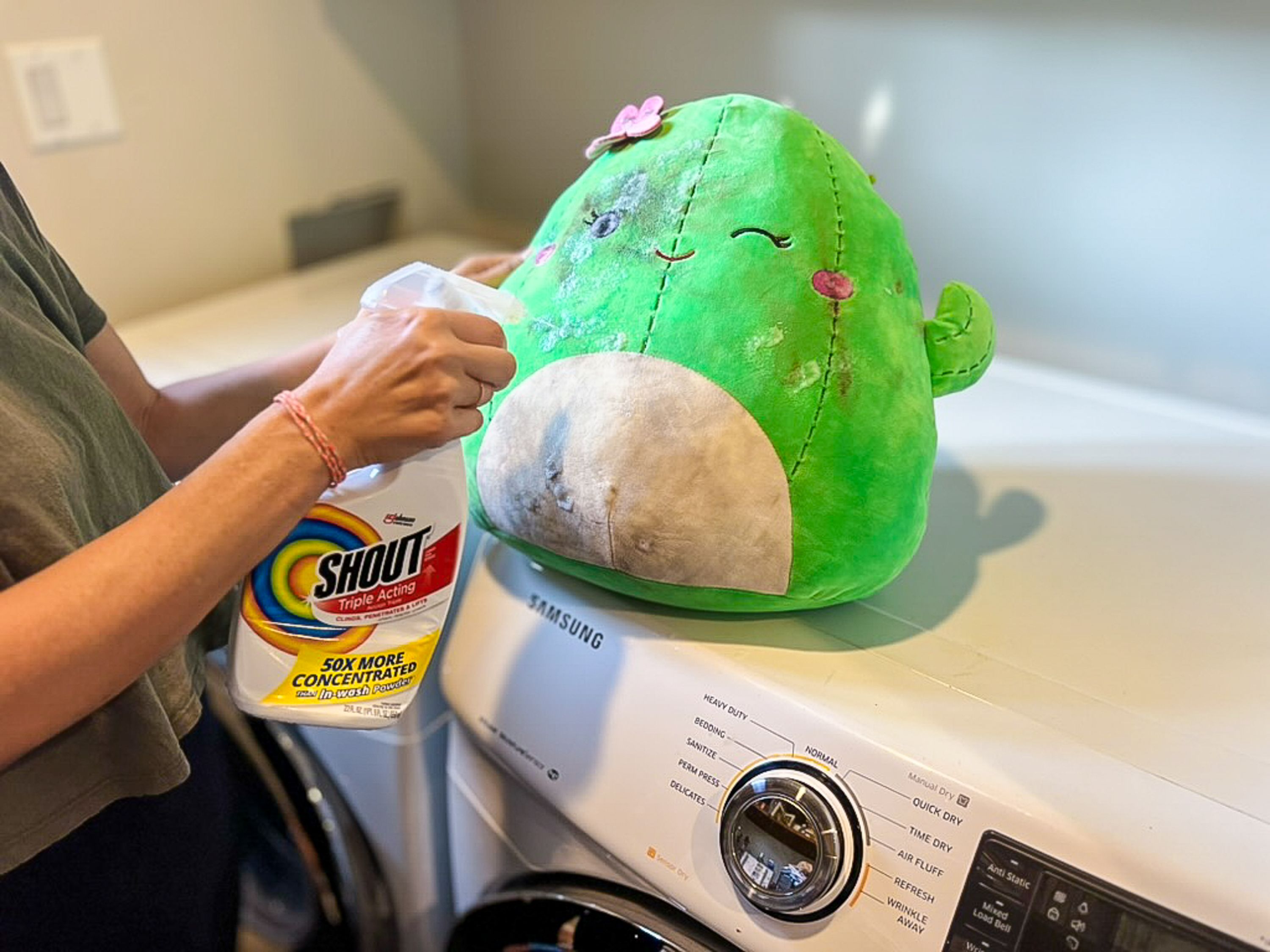
For stains, treat them before washing. Use a mild soap or stain remover safe for delicate fabrics. Dab gently with a soft cloth. Avoid harsh scrubbing to protect the toy’s surface.
Stain pre-treatment helps cleaning during the wash cycle. For tough stains, hand wash the area with cold water and mild detergent. Afterward, rinse well.
| Stain Type | Removal Method |
|---|---|
| Food Stains | Cold water and mild detergent, gentle dabbing |
| Ink | Use rubbing alcohol on cloth, test on small area |
| Grease | Apply cornstarch, let sit, brush off, then wash |
Always test stain removers on a hidden spot first. This avoids fabric damage or color loss.
Keeping toys clean with stain removal supports better toy hygiene and care.
Hand Washing vs Machine Washing
Hand washing is gentler and better for fragile or non-machine washable toys. Use cool water and mild detergent. Soak the toy and gently squeeze soapy water through. Rinse thoroughly and air dry.
Machine washing is quicker and fine for sturdy, labeled soft toys. Use mesh laundry bags and gentle cycles to protect the toys. Both methods work well but choose based on fabric and toy condition.
| Method | Pros | Cons |
|---|---|---|
| Hand Washing | Gentle, good for delicate toys | Time-consuming, less thorough |
| Machine Washing | Fast, effective for sturdy toys | Risk of damage if not careful |
Industry consensus indicates understanding the toy’s fabric and stuffing guides the best cleaning method.
Common Washing Machine Issues with Stuffed Toys
Stuffed toys can unbalance the washing machine if too heavy or wet. Avoid washing too many toys at once. Use proper load sizes to prevent machine strain.
Sometimes toys shed fibers that clog filters. Clean your machine’s filter regularly to maintain performance. If the toy has hard parts, they can damage the drum or agitator.
Refer to expert advice on how to clean and deodorize washing machine for maintenance tips that keep your washer working well.
Maintaining Stuffed Toys for Longevity
Regular cleaning keeps toys free from germs and dust mites. Store toys in dry places to avoid mold. Avoid excessive washing which can wear out fabrics and stuffing.
Use gentle cleaning methods and dry toys thoroughly after washing. Regularly check for damage and repair it quickly to preserve the toy’s shape and safety.
- ✅ Check washing instructions tag.
- ✅ Pre-treat stains before washing.
- ✅ Use mesh laundry bag in machine.
- ✅ Choose gentle cycle with cold water.
- ✅ Air dry or use low heat dryer setting.
- ✅ Store toys in dry, clean areas.
Following these care tips ensures your stuffed toys stay soft and safe for years to come.
Conclusion
Washing stuffed toys in a washing machine can be safe and effective in 2026. Using cold water, gentle cycles, and mild detergent protects delicate fabrics and stuffing. Always check if the toy is machine washable and use a mesh laundry bag for added safety.
Proper drying, stain removal, and regular maintenance extend your plush toy’s life. Choosing hand washing for delicate toys or machine washing for durable ones helps keep toys clean without damage.
By following these expert tips, you ensure your stuffed animals remain clean, soft, and ready for play. For a full guide on similar washing tips, see how to wash towels washing machine for more on gentle fabric care.
Frequently Asked Questions
Can all stuffed toys be washed in a washing machine?
No, only stuffed toys labeled as machine washable should be washed in a washing machine. Always check the care tag for washing instructions.
What is the best washing cycle for stuffed animals?
Use the gentle or delicate cycle with cold water to protect the fabric and stuffing of the stuffed animals.
Should I use fabric softener when washing stuffed toys?
Fabric softener can be used cautiously, but it is better to avoid it if the toy has delicate fabrics or if the manufacturer advises against it.
How do I dry stuffed toys after washing?
Air drying is recommended to avoid heat damage. Stuffed toys can be laid flat or hung to dry completely.
Is hand washing better than machine washing for stuffed animals?
Hand washing is gentler and better for delicate or non-machine washable toys. Machine washing is fine for durable, labeled soft toys.

Roger Jacobs is a seasoned appliance expert with over 15 years of experience in the washing machine industry. He specializes in product reviews, energy efficiency, and innovative washing technologies, providing users with trustworthy insights to make informed purchasing decisions.