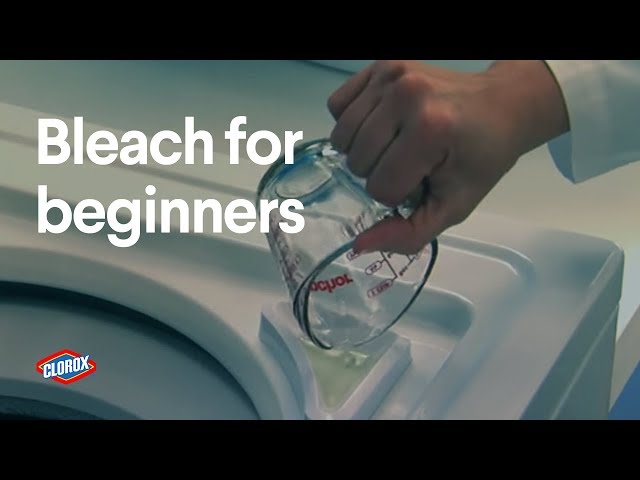
Ever wondered how to add bleach to washing machine properly? It’s not just about pouring it anywhere and hoping for the best. Imagine you just pulled out your favorite white shirt that still looks dingy despite washing. That’s where bleach magic kicks in, if used right. Plug in, we’re diving deep into bleach basics, safe methods, and tips that’ll keep your fabrics fresh, sanitized, and lasting longer.
Understanding Bleach Types for Laundry
Bleach mainly comes in two types for home laundry: chlorine (liquid) bleach and oxygen-based (non-chlorine) bleach. Chlorine bleach is your go-to for whites and heavy sanitizing. Oxygen bleach, gentler on colors and fabrics, brightens without the harshness. Knowing these will prevent fabric damage and give you control on when and how to use each type. For intricate details on bleach uses, see how to use bleach in laundry the right way.
Essential Precautions Before Adding Bleach
- Check garment care labels to avoid damage.
- Never mix bleach with ammonia or other cleaners.
- Wear gloves to protect skin from irritation.
- Ensure good ventilation in laundry area.
- Use recommended bleach amounts to avoid machine harm.
Where To Add Bleach In Your Washing Machine
This depends on your washing machine model:
- Top-loading machines: Most have a dedicated bleach dispenser. Pour bleach into it before starting the wash to ensure correct dilution.
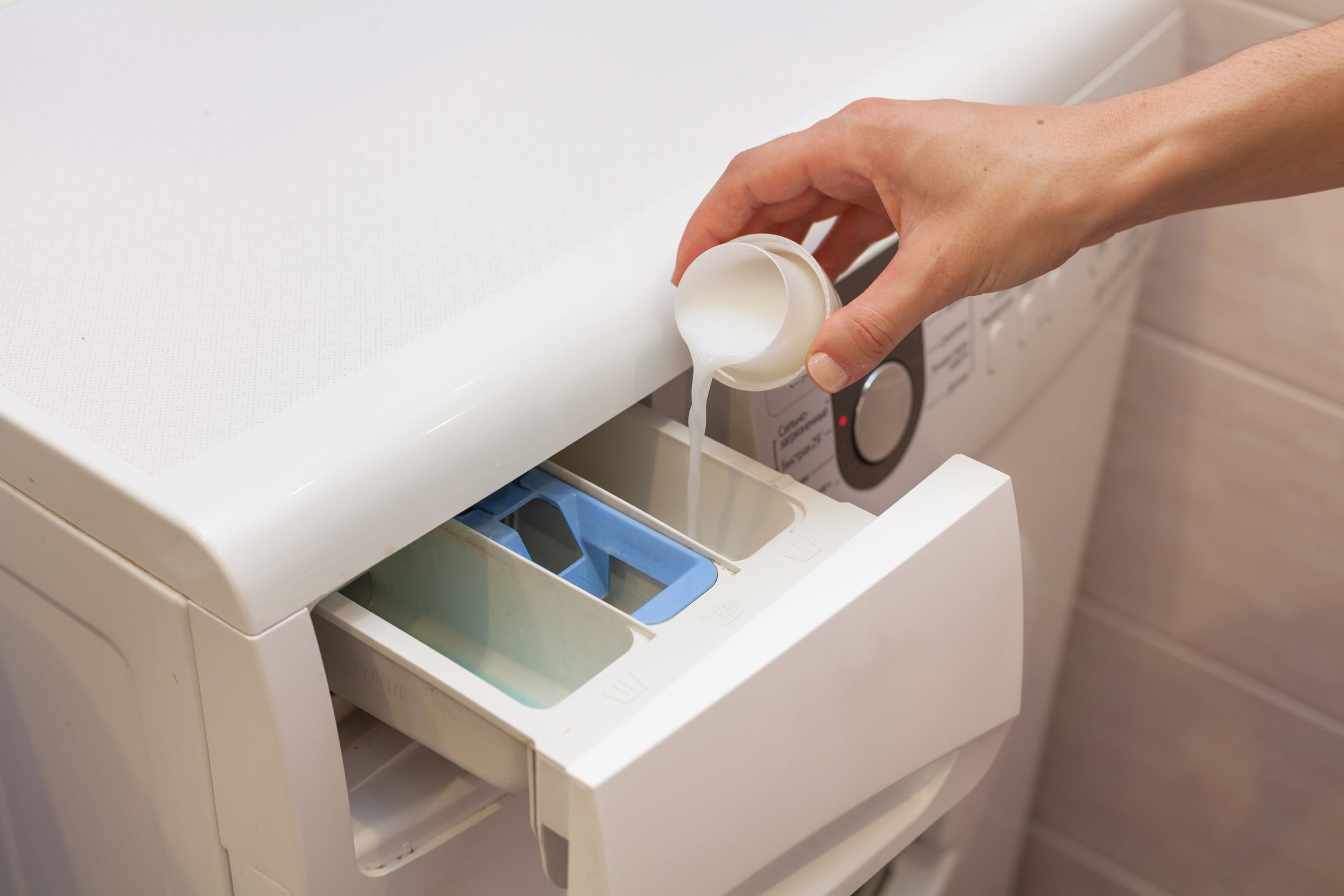
- Front-loading machines: Use the detergent drawer’s bleach compartment. Pour bleach there, then start the cycle.
- No dispenser? Add bleach after the wash cycle starts, when the tub fills with water, carefully pouring bleach directly without touching clothes.
Steps to Add Bleach Safely
- Measure bleach according to load size — usually 1/4 cup for small, up to 3/4 cup for large loads.
- Pour bleach in the dispenser or water-filled drum as per machine type.
- Set the wash cycle (preferably with a bleach-safe cycle if available).
- Start the machine immediately after adding bleach.
- Never pour bleach directly onto clothes to avoid spotting.
Bleach Dos and Don’ts
- ✅ Do dilute bleach properly using machine dispensers.
- ✅ Do test colorfastness on colored fabrics with non-chlorine bleach.
- ✅ Do clean your machine’s bleach compartment regularly to prevent buildup.
- ❌ Don’t mix bleach with detergents unless your machine instructions say so.
- ❌ Don’t overload the washer; bleach needs water flow around clothes.
- ❌ Don’t use bleach on wool, silk, leather, or spandex fabrics.
Maintaining Your Washing Machine When Using Bleach
Using bleach regularly can cause residue buildup affecting your machine’s performance. It’s crucial to rinse and clean your washer:
- Run an empty hot water cycle with a cup of bleach once a month.
- Wipe down bleach dispensers and rubber seals weekly.
- Check hoses and dispensers to ensure no clog or corrosion.
Following these will extend your appliance’s lifespan and keep laundry fresh.
Common Mistakes When Adding Bleach
- Adding bleach at the wrong time can cause fabric damage.
- Using too much bleach leads to weakening fibers.
- Ignoring washing machine instructions can void warranty and cause damage.
- Mixing bleach with other chemicals can release dangerous fumes.
Why Adding Bleach Correctly Matters
Bleach isn’t just about whitening. It plays a critical role in killing germs and sanitizing your laundry, especially in 2026 when maintaining hygiene is paramount. Incorrect bleach use risks ruining clothes, damaging machines, and exposure to toxic fumes. Precision in adding bleach protects your investment and health. Discover more why bleach must be handled well at the right way to use bleach in your laundry.
Environmental Considerations
While chlorine bleach is highly effective, it can harm the environment when overused. Use sparingly, and consider oxygen bleach for regular loads or colored fabrics. Responsible use supports your household and planet.
💬 “I used to dump bleach directly on stinky gym clothes—and wrecked them! Using the dispenser saved my favorite shirts.” — Emily, Chicago
In Summary: How To Add Bleach To Washing Machine
Mastering how to add bleach to washing machine is your ticket to fresher, cleaner laundry. Use correct compartments, measure carefully, respect fabric and machine guidelines, and keep safety front and center. This transforms your laundry from risky to reliable with a splash of bleach brilliance. Your whites will shine, and your fabrics will thank you.
Source: www.clorox.com

Source: www.wikihow.com
Frequently Asked Questions
Can I add bleach directly to clothes in the washing machine?
No. Adding bleach directly onto clothes can cause stains and damage. Always use the bleach dispenser or add bleach to water-filled drum following your machine’s guidelines.
Is it safe to use bleach in all washing machines?
Most modern machines have bleach dispensers designed for safe use. However, always check the manufacturer’s instructions since some machines or cycles may not support bleach.
How much bleach should I use per laundry load?
Typically, 1/4 cup for small loads and up to 3/4 cup for large loads are recommended. Use less if washing delicate fabrics and always adhere to the bleach product label instructions.
Can I use oxygen bleach in place of chlorine bleach?
Yes, oxygen bleach is a safer, color-friendly alternative to chlorine bleach and can be used for most laundry except very heavy-duty sanitizing or whitening.
Does bleach damage washing machines?
Improper use or excessive amounts can cause corrosion over time. Always use manufacturer-approved amounts and run periodic maintenance cycles to keep your washer in top shape.
What should I do if I accidentally mixed bleach with other cleaners?
Immediately ventilate the area and leave the room. Mixing bleach with ammonia or acids creates toxic gases. Seek emergency assistance if you feel unwell.
Can bleach help sanitize laundry during flu or pandemic outbreaks?
Yes, bleach is effective at killing many viruses and bacteria on fabrics, making it a valuable tool for sanitizing laundry in health-related situations.

Lonnie Clarke believes that taking care of your washing machine starts with what you put into it. As a former textile quality controller, she understands exactly how different fabrics, water temperatures, and detergents interact with your appliance’s drum. She writes our comprehensive guides on preventing mold, choosing the right cycles, and extending the life of your clothes.