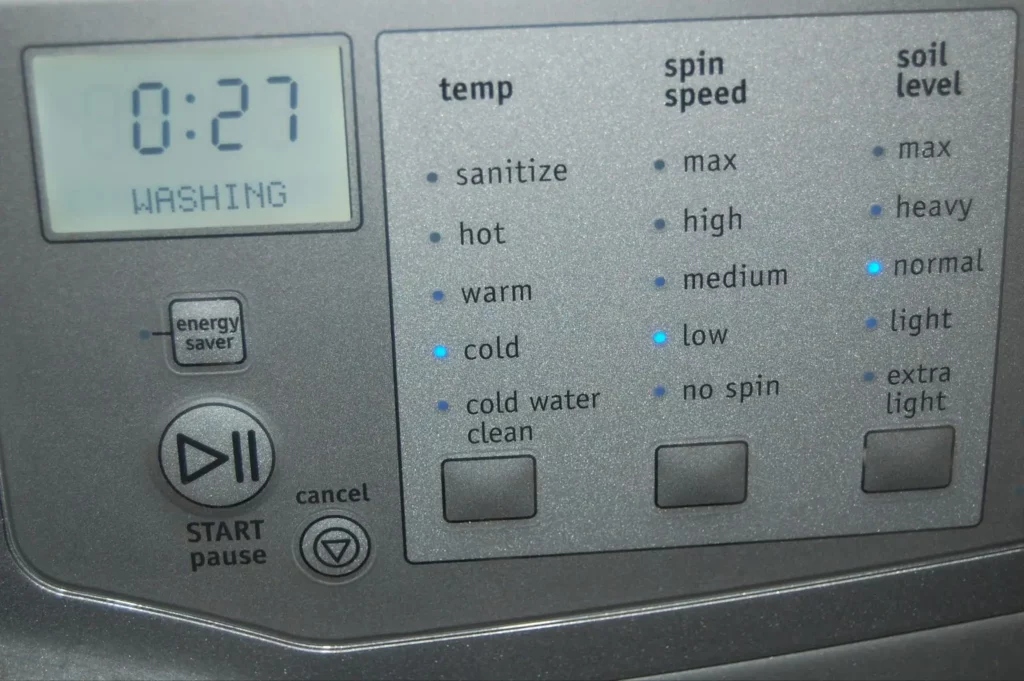
Ever stared at your washing machine’s control panel wondering what on earth the “soil level” means? You’re not alone. What Is Soil Level On A Washing Machine? Put simply, it indicates how dirty your clothes are and lets the machine adjust its wash accordingly. Imagine you’ve just tackled a garden mess or a greasy kitchen apron — the soil level setting helps your washer decide how much effort it needs to clean those garments. 🎯
- Soil level settings commonly include: Light, Normal, and Heavy soil.
- Choosing the right soil level saves water, energy, and extends fabric lifespan.
- Some advanced washers automatically sense soil levels, but manual settings remain common.
How Does Soil Level Affect Your Washing Machine’s Performance?
This simple setting tweaks how long the machine agitates and how much water and energy it uses. Selecting “Heavy Soil” means longer wash times and more water to tackle tough stains, while “Light Soil” shortens the cycle conserving resources. This flexibility 🎯 saves you money and spares your clothes needless beating.
Soil Level Impact On Wash Cycles
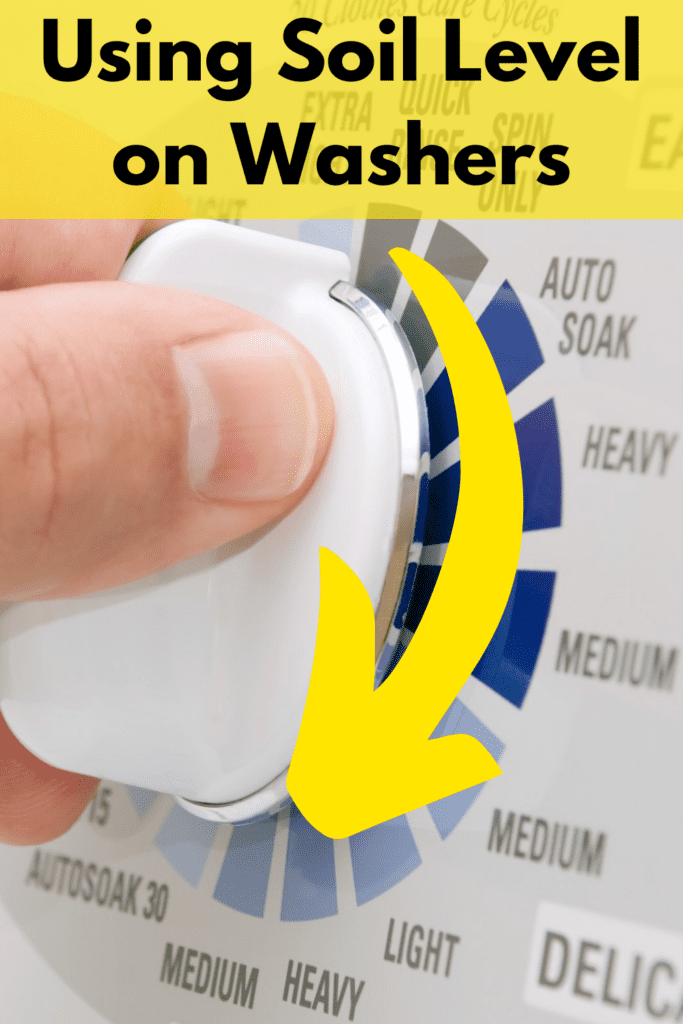
- Light Soil: For lightly worn clothes or delicate fabrics, a short cycle with less agitation prevents damage.
- Normal Soil: Best for everyday laundry — the balance of cycle length and power works for typical dirt.
- Heavy Soil: For those grimy work clothes or kids’ sports gear, it ramps up wash action and rinse time.
Why You Should Care About Setting The Correct Soil Level?
Many just toss their laundry in and hit ‘Start’ without a second thought. But consider Sally, who always picked heavy soil for every load. Her electric bill ballooned, and her clothes wore out faster than necessary! Setting the right soil level isn’t a no-brainer — it’s critical to keeping your laundry fresh and your bills in check. Additionally, overusing water and detergent when it’s not needed wastes resources and impacts the environment.
Energy and Water Savings With Correct Soil Level
Tweaking soil levels actually affects your environmental footprint. Using light settings on clean clothes trims water use and slashes electricity consumption. Contrast that with heavy soil cycles that guzzle water and juice your meter up. So the soil level isn’t just a convenience — it’s a sustainability tool.
How To Identify The Correct Soil Level For Your Laundry
First: assess the dirtiness — big stains or just a bit of sweat? Next, consider fabric type (denims need tougher washing than silks). Finally, check your detergent instructions — some brands recommend specific settings for optimal cleaning performance. This hands-on approach will keep your clothes spotless without overdoing it. 🚀
Practical Steps to Set Soil Level
- Sort your laundry by soil type: lightly worn, average use, heavily soiled.
- Choose the matching soil level on your washing machine.
- Adjust detergent dosage based on soil level to avoid residue.
- Opt for pre-wash or soak cycles for extremely dirty items.
Common Mistakes When Using Soil Level Settings
- Always choosing heavy soil regardless of actual dirt.
- Ignoring fabric care instructions by setting wrong cycle for delicate clothes.
- Overloading the washer leading to ineffective cleaning despite soil level setting.
- Not adjusting detergent amount per soil level, causing soap build-up or poor cleaning.
Modern Washing Machines And Soil Level Sensors
Some washers have advanced sensors that estimate soil level automatically by analyzing water turbidity during wash. But manual soil level controls still dominate in many households for precision and control. This blend of technology and user input means you can customize cycles while letting the machine do some guessing. Learn more from Landers Appliance’s detailed soil level explanation now.
How Sensors Work
- Detect water cloudiness to judge dirt amount.
- Adjusts agitation length and rinse cycles dynamically.
Detergent Dosage and Soil Level: Finding The Sweet Spot
The soil level setting doesn’t just affect water and agitation but guides how much detergent you should use. Too much soap on lightly soiled clothes? You risk residue and skin irritation. Too little on heavy dirt? Stains stick around. Manufacturers often mention dosage guidelines matching soil level — check labels carefully. If in doubt, consult a trusted source like Mozi Wash’s soil level meaning guide.
When To Ignore Soil Level Settings
Sometimes, especially with ultra-delicate items or specialized fabrics, it’s safer to override soil level settings in favor of a ‘Delicates’ or ‘Handwash’ cycle. Likewise, if you’re dealing with bleach or heavy pre-treatment, soil level could be less relevant. Use your judgment and manufacturer instructions.
Wrapping Up On Soil Levels
What Is Soil Level On A Washing Machine? It’s your secret weapon for cleaning efficiency. It’s not just a button — it’s a smart lever to balance cleaning power, water, energy use, fabric care, and detergent dosage. Next time you fire up your washer, think like a pro: match soil level to dirtiness, respect your fabrics, and watch your laundry and resources thank you. Remember, this small tweak makes a huge difference in your washing experience and sustainability footprint. For more expert insight, check out this video explaining soil level on washers from trusted appliance experts at Cross24HR Appliances. 🚀

Source: www.reddit.com
Source: organizing.tv
Frequently Asked Questions
What does soil level mean on a washer?
Soil level indicates how dirty your clothes are so the washing machine can adjust wash length, agitation, and water amount accordingly.
How do I choose the right soil level setting?
Assess how dirty your clothes are—lightly worn clothes need a light soil setting, average dirt uses normal, and heavily stained clothes require heavy soil.
Does soil level affect water and energy usage?
Yes. Heavier soil settings use more water and energy with longer cycles, while lighter settings save both by being shorter and gentler.
Can I ignore soil level settings with sensor-enabled washers?
Some washers have sensors that auto-detect soil level, but manually setting it can still provide better control for certain laundry loads.
What happens if I always use the ‘heavy’ soil setting?
It wastes water, energy, and detergent and can degrade clothes faster because the machine uses longer, harsher cycles unnecessarily.
Is soil level the same as fabric type?
No, soil level refers to dirtiness, while fabric type helps determine the water temperature and wash cycle gentleness needed.
Where can I learn more about soil level settings?
Check reliable sources like Landers Appliance’s explanation on soil levels or Mozi Wash’s detailed guides for comprehensive insights.

Mary Snodgrass oversees all content at WashingMachineCare.com with a keen eye for detail and consumer advocacy. Spending over a decade in appliance retail management, he knows the industry tricks and which brands actually stand the test of time. Mary Snodgrass buying guides help readers navigate confusing spec sheets to find the perfect washer for their household needs and budget.