
Soil Level Settings Explained
Soil level settings on washing machines help users adjust the wash cycle based on how dirty clothes are. This setting controls wash time, water use, and detergent amount. It ensures clothes get clean without wasting resources.
Modern machines use soil level sensor technology to detect dirt automatically. Sensors scan the load to pick the right soil level. This leads to customized wash cycles that improve cleaning and save energy.
For a deeper understanding of this mechanic, analyzing resources on soil level on washing machine provides excellent foundational context.
Adjusting soil levels correctly can optimize your washing. It also helps reduce wear and tear on fabrics by matching the cycle to the soil type.
How Soil Level Sensors Work
Soil level sensor technology is key to automatic wash load detection. Sensors measure dirt, stains, and grime in the water or on fabric. Some machines have washing machine dirt sensors that scan the load visually or by water clarity.
These sensors connect to a machine learning algorithm. The algorithm analyzes data and chooses the best wash cycle, temperature, and spin speed. This smart washer soil detection improves wash performance and fabric care by soil level.
Energy consumption and water consumption are lowered when the machine uses sensor data. This makes the wash more eco-friendly and efficient. Sensors help the machine decide if a prewash cycle or extra rinse is needed.
Benefits of Adjustable Soil Level Settings
Adjustable wash cycles based on soil level bring many benefits. Users can select light, normal, or heavy soil levels. This custom wash program matches the dirtiness of clothes for better cleaning.
Benefits include water usage optimization and less energy used. Clothes get cleaned without overusing detergent. Detergent dosing by soil level means the right amount is released for each load.
Fabric care is better because the machine avoids harsh cycles for lightly soiled items. This reduces wear and tear. It also cuts down on longer wash times and high spin speeds when not needed.
Front Load vs Top Load Soil Level Settings
Soil level adjustment differs between front load and top load washers. Front load washers often have more advanced soil level sensor technology. They use sensors inside the drum or water to detect dirt.
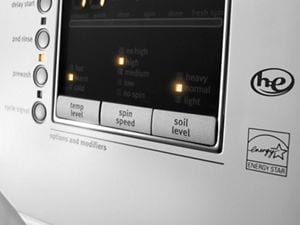
Top load washers may rely more on user settings for soil level. Some models have basic sensors or dirt detection. Both types aim to optimize wash cycles but front loaders generally provide higher soil level accuracy.
This table compares soil level features between front and top load washers:
| Feature | Front Load Washers | Top Load Washers |
|---|---|---|
| Soil Level Sensor | Advanced sensors for dirt detection | Basic or manual settings |
| Wash Cycle Customization | Highly adjustable based on soil | Limited adjustment |
| Water Usage | Optimized by sensor data | Less precise control |
| Energy Efficiency | Higher due to smart sensing | Moderate |
| Fabric Care | Better due to cycle control | Less precise |
Users choosing between these types should consider how important soil sensing and eco-friendly washing machines are to their needs.
Smart Washer Soil Detection and Machine Learning
In 2026, many washers include smart home appliance features. Soil level sensors feed data into machine learning systems. These systems learn from past washes to improve soil detection and cycle choices.
This leads to better stain removal technology and laundry efficiency. With time, machines adapt to user habits and load types. This makes laundry easier and more effective.
Smart washers often feature user interfaces that show soil level feedback. Users get advice on detergent dosing and cycle adjustments. Some models even suggest fabric type and humidity sensor data to fine-tune the wash.
Energy efficient washer settings combined with smart sensing reduce total energy and water use dramatically. This both saves money and helps the environment.
Summary of Soil Level Adjustment Benefits
Setting the right soil level is key to optimizing wash performance. It saves water, energy, and detergent. It also protects fabrics from damage caused by over-washing.
Custom wash programs help machines handle different stain types and load sizes. They tailor wash temperature, rinse cycle, and spin speed for each load. This improves stain removal and fabric care.
Below is a simple checklist for users to get the most from soil level settings:

- ✅ Choose soil level based on how dirty clothes look.
- ✅ Use sensor-driven automatic soil sensing if available.
- ✅ Adjust detergent dosing as recommended by the machine.
- ✅ Pick cycles that match fabric type and soil level.
- ✅ Run prewash for heavy stains only.
Following these steps improves laundry soil level detection and washing machine soil level accuracy.
Water and Energy Optimization Tips
Energy and water consumption can be cut by using soil level settings wisely. Machines use less water on lightly soiled loads. Energy use is reduced by shortening wash and rinse cycles.
Detergent dispensers that dose by soil level avoid excess soap. This prevents residue buildup and helps machines run cleaner longer. Also, choosing the right wash temperature saves energy.
Many washers now offer eco-friendly washing machine modes. These use soil level sensor input to lower water and energy use further. They balance cleaning power with resource use.
For users interested in maintaining their machines, learning how to use Affresh cleaner can improve washer life and performance.
Conclusion
Soil level washer machine settings are central to modern laundry care. They help machines adjust cycles for dirt level, fabric type, and load size. This leads to better cleaning, less waste, and longer fabric life.
Soil level sensor technology combined with machine learning drives smarter wash cycles today. These systems save water and energy by using only what is needed. They also improve stain removal and fabric care.
Users who understand soil level settings can get the best results from their washers. Using adjustable wash cycles and detergent dosing by soil level creates a perfect balance of clean clothes and eco-friendliness. This is the future of laundry in 2026 and beyond.
Frequently Asked Questions
What is the soil level setting on a washing machine?
Soil level setting tells the washer how dirty the clothes are. It adjusts the wash time and water needed for cleaning.
How does soil level sensor technology work?
It uses sensors to detect dirt and stains on clothes. The machine then changes the wash cycle to clean better.
Can soil level settings save energy and water?
Yes. By using only what is needed for the soil level, machines reduce energy and water waste.
Are soil level settings different in front load and top load washers?
They work similarly but may have different sensors or settings based on the machine type.
Do smart washers use machine learning for soil detection?
Yes, many smart washers use machine learning algorithms to better detect soil levels and adjust cycles automatically.

Roger Jacobs is a seasoned appliance expert with over 15 years of experience in the washing machine industry. He specializes in product reviews, energy efficiency, and innovative washing technologies, providing users with trustworthy insights to make informed purchasing decisions.