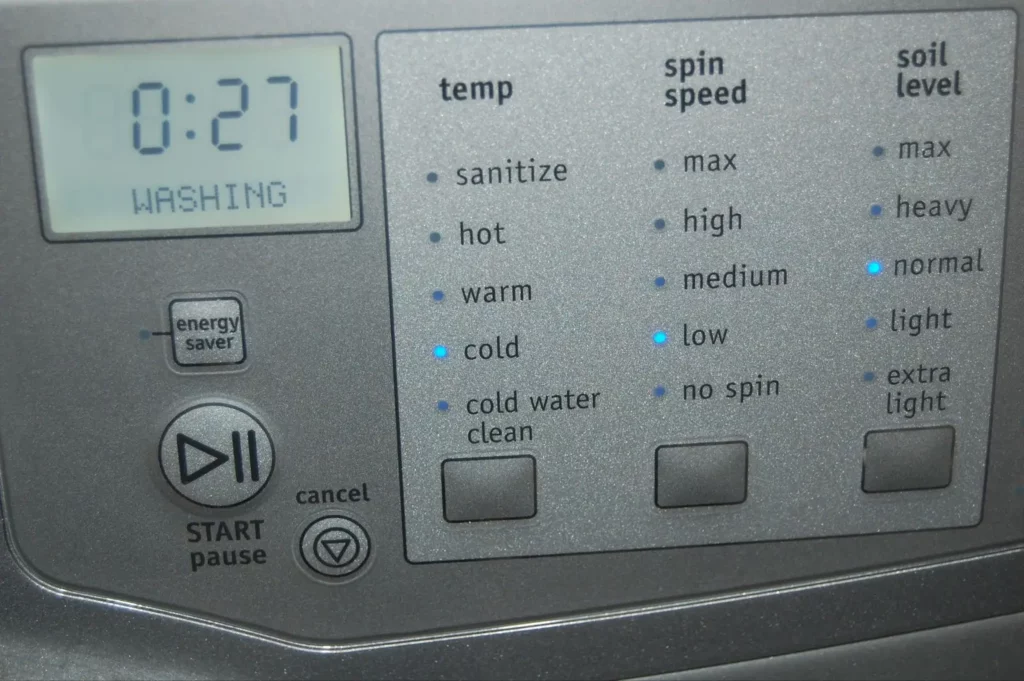
Ever peeked at your washing machine’s panel and wondered, “What does soil level mean on a washer machine?” You’re not alone. This feature is a gem hidden in plain sight, tweaking it can save you water, protect your clothes, and get your laundry truly fresh. Soil level is about tailoring your wash cycle to how dirty your clothes really are, which in turn optimizes water usage and detergent effectiveness. Imagine you just cleaned a garden with your clothes covered in dirt and grime vs. a few smudges from a coffee spill—your washer needs to know to work harder or lighter accordingly! 🚀
What Soil Level Means in Washing Machines
Soil level refers to the dirtiness degree or grime intensity on your clothes that the washing machine uses to adjust the wash cycle. It’s like telling your washing machine exactly how tough the job is. The setting controls the duration and aggressiveness of the wash; higher soil levels mean longer washing times and more vigorous agitation. The goal? Efficiently removing stains without wasting water or damaging fabric.
How Soil Levels Work
Washing machines come equipped with soil level selectors or sensors. You usually find settings like Light, Medium, and Heavy soil levels, sometimes with very fine gradations. Setting light means the washer expects minimal dirt and uses less water with gentler motion. Heavy soil means stubborn stains, requiring stronger action and more water. Some advanced washers even have soil sensors that detect soil level automatically.
Manual vs. Sensor Soil Level Settings
- Manual: You pick light, medium, or heavy based on your observation.
- Sensor-driven: The washer scans water appearance or load weight to guess soil level and adjusts automatically.
Why It Matters: Practical Benefits of Correct Soil Level Selection
Picking the right soil level is like customizing your suit—fit matters. The soil setting controls water usage, energy consumption, and wear on your clothes. If you overestimate soil level, your machine uses excessive water and detergent, wasting resources. Underestimating means stains might stick around, requiring rewashing.
Water Efficiency and Energy Savings
Your washer uses more water and longer cycles for heavier soil settings. In 2026, with water conservation more urgent than ever, setting soil level correctly isn’t just about clean clothes—it’s environmental stewardship. Too high a setting wastes water; too low leaves stains — a lose-lose.
Fabric Care and Longevity
Harsh wash cycles wear out clothes faster. A well-matched soil level means dirt comes out without fighting too hard, preserving fibers and color. Think of it like washing your fancy work shirt with care vs. scrubbing muddy hiking pants aggressively!
How to Determine the Soil Level for Your Laundry
It’s not rocket science but requires a bit of observation. Ask yourself these questions:
- Are the clothes just lightly worn or visibly stained?
- Do the fabrics require gentle handling?
- Is the dirt mostly surface dust or ingrained grime?
If your t-shirts just smell or have minor sweat marks, pick Light. For day-to-day dirt, Medium fits perfectly. Muddy or heavily stained items warrant Heavy soil setting.
Example Scenario: Mike’s Weekend Workout
Mike wears his gym wear twice before washing. Light sweat and faint odor. Selecting Light soil means a quick, water-saving wash that keeps his clothes fresh without premature wear. If he switched it to Heavy each time, water and energy waste would skyrocket.
Common Misconceptions About Soil Levels
Many users treat soil level like an afterthought or believe it only affects cycle time. Truth is, it impacts detergent dosing, agitation intensity, rinse cycles, and water temperature settings on some models.
Misconception 1: “Heavier soil means better clean”
Not necessarily. Overwashing can damage clothes. Targeted soil level settings clean most effectively without collateral damage.
Misconception 2: “Soil level is the same as load size”
These are different. Soil level focuses on dirt degree, load size on the amount of laundry. Both affect wash parameters independently.
Setting Soil Level in Different Washer Types
While most washers include soil level options, their operations differ:
- Top Load Washers: Often manual soil selectors adjusting agitation intensity.
- Front Load Washers: Usually sensor-based with precise soil detection.
- High-Efficiency Washers: Soil level controls optimized to use minimal water and detergent per soil setting.
Checking Your Washer Manual
Always consult your model’s user guide for how it handles soil levels. Skipping this step often leads to misuse — and laundry that’s less than spotless. For more technical details, the resource at Lander’s Appliance explains soil level clearly.
Practical Tips for Using Soil Level Settings
- Sort clothes not just by color but by soil level for optimal cleaning.
- Use extra rinse cycles for heavy soil to ensure detergent removal.
- Combine correct soil level with suitable detergent type for better results.
Troubleshooting Issues Related to Soil Level Settings
If your clothes come out still dirty, consider these fixes:
- Double-check soil level chosen—was it too low?
- Verify detergent is appropriate and not expired.
- Ensure your washer’s sensors or selector knob is functioning properly.
For in-depth guidance on what could cause soil level setting failures and how to correct, browse expert advice at Spin Chill’s explanation.
When to Call in a Professional
Consistent problems with soil level recognition or wash cycle adjustments often mean sensor faults or mechanical issues. Don’t hesitate to contact a qualified appliance repair technician to avoid worsening damage.
Innovations in Soil Level Technology in 2026
Today’s washers come equipped with AI-enhanced sensors that analyze soil particles and fabric type, adapting cycles dynamically. These smart features are game-saving for busy households aiming for efficiency without compromising cleaning power. For the latest tech insights, check Moziwash’s blog on soil level meaning.
Summary: Why You Can’t Skip Understanding Soil Level
Ultimately, What Does Soil Level Mean On A Washer Machine isn’t just a label on your dial — it’s a key to laundry mastery. Choosing the right soil level saves water, energy, and your wardrobe’s life. It tailors how hard your washer works to how dirty your clothes actually are, maximizing efficiency and care at once. Next wash, try it yourself — tweak that setting based on your load’s soil, and see how fresh and well-preserved your clothes come out! 💬
“Understanding soil level transformed my laundry game. Less wastage, brighter clothes, and my energy bill actually dropped!” – Jamie, a smart homeowner

Source: www.reddit.com

Source: www.youtube.com
Frequently Asked Questions
What is the soil level setting on a washing machine?
The soil level setting tells the washer how dirty your clothes are so it can adjust wash time, water usage, and agitation to clean effectively without waste.
Can I set the soil level too high or too low?
Yes. Setting it too high wastes water and energy, while too low might leave stains or require rewashing, so matching the soil level to actual dirtiness is essential.
Do all washers have soil level settings?
Most modern washers do, either manual settings or automatic sensors. However, basic models might lack this feature. Check your washer’s manual for details.
How does soil level affect detergent usage?
Higher soil levels usually prompt the washer to use more detergent to tackle heavier grime, while lighter soil levels use less, helping save detergent and avoid residue.
What if my washer has a soil sensor and manual soil level setting?
Some washers let you override the sensor with manual soil level settings for specific needs. It’s best to follow the user manual instructions for optimal results.
Is soil level related to load size?
No, soil level refers to how dirty clothes are, while load size means how many clothes are in the washer. Both influence the wash cycle but independently.

Lonnie Clarke believes that taking care of your washing machine starts with what you put into it. As a former textile quality controller, she understands exactly how different fabrics, water temperatures, and detergents interact with your appliance’s drum. She writes our comprehensive guides on preventing mold, choosing the right cycles, and extending the life of your clothes.