Ever tossed your laundry in a washer and wondered what magic actually happens inside? It all spins around the drum—the unsung hero of washing machines. Imagine the drum as the hardworking heart of your washer; it’s where all your dirty clothes dive into a whirlpool of cleansing action. But what exactly is this drum, and why should you care?
What Is the Drum in a Washing Machine?
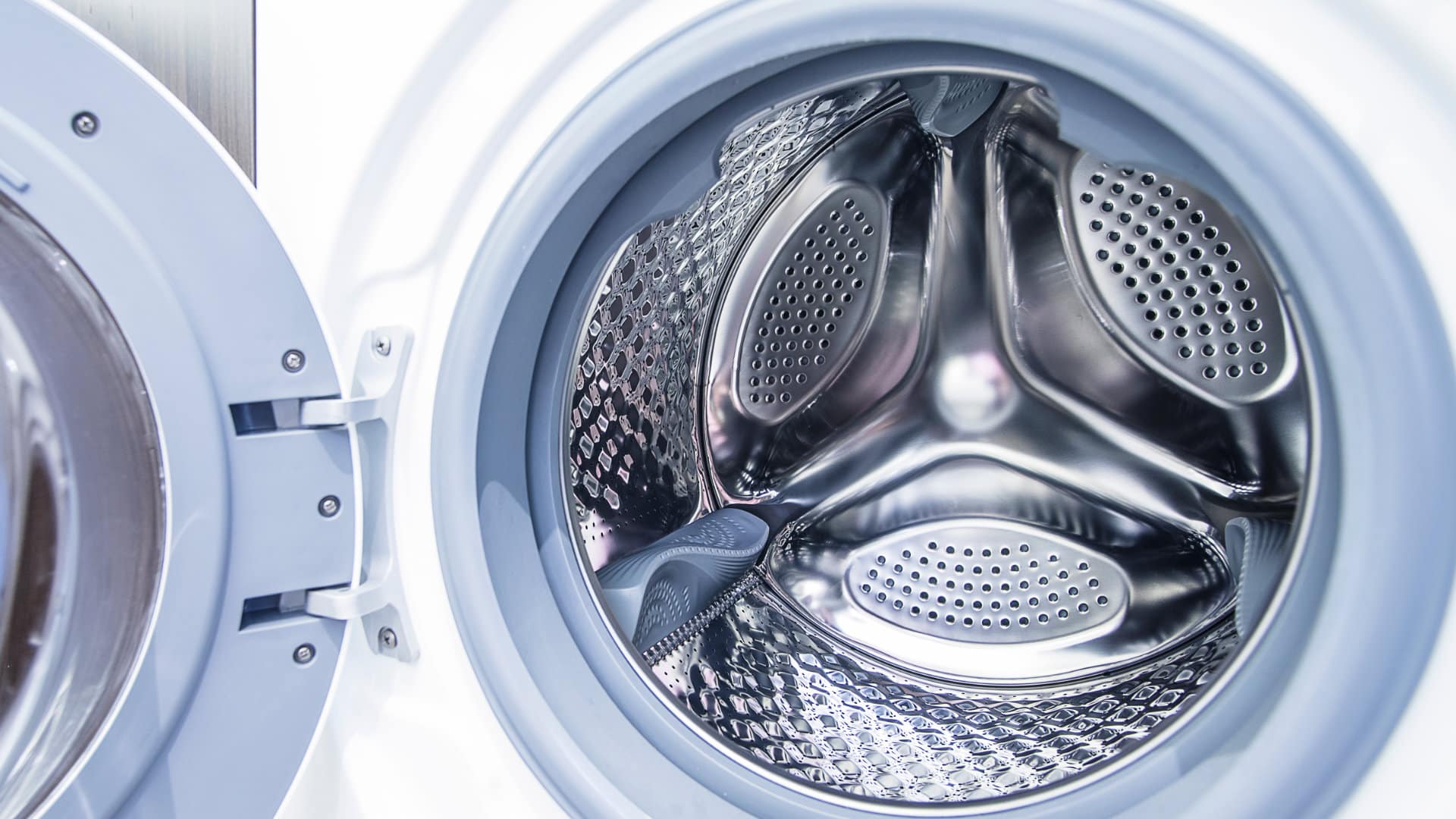
Simply put, the drum is the cylindrical chamber inside your washing machine that holds your clothes during washing and spinning cycles. As it twirls, it agitates your clothes, ensuring water and detergent penetrate fabrics to break down stains and soils. Without the drum, you’d just have a tub full of water—not exactly a cleaning powerhouse.
This drum isn’t just some boring cylinder. For example, Miele’s honeycomb drum designs are engineered to treat your fabrics gently while still getting them spotless. Others might have perforations or special patterns to optimize water flow and minimize damage. It’s like the difference between a raggedy bucket and a perfectly crafted washing arena.
Source: registerappliance.com
Inside the Drum: How It Works
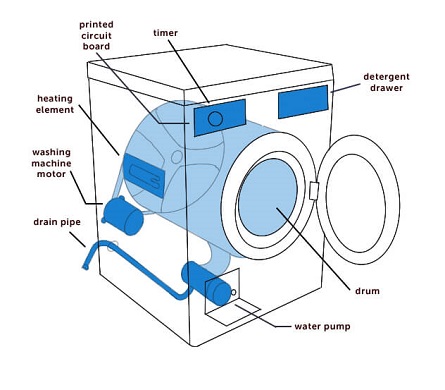
The drum sits snugly inside a larger tub, and as the drum spins, it lifts clothes up and drops them repeatedly into the water. This tumbling action agitates the fabric, loosening dirt and grime. It’s a careful dance of motion and water flow—think of it like a vigorous, but controlled, river splash effect.
Source: www.domesticandgeneral.com
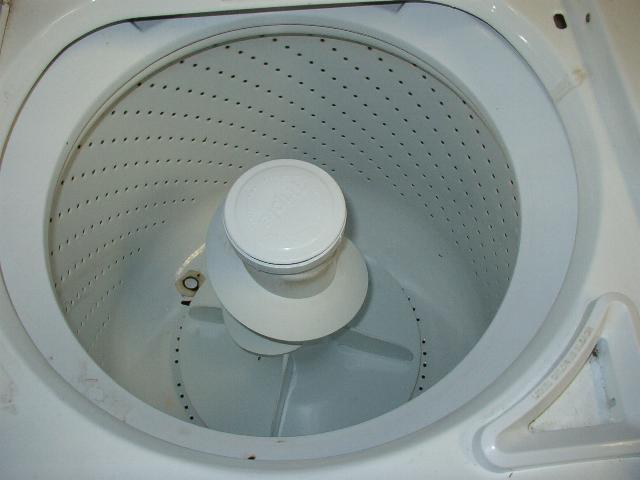
Whether it’s a front load washer or top load washer, the drum design adjusts for optimum cleaning. Front loaders tumble horizontally, using gravity to their advantage, while top loaders use a central agitator or impeller inside the drum to churn clothes.
Source: www.reddit.com
Why Should You Care About the Drum?
Your drum takes a beating every wash cycle—cloth rubbing, water splashing, soap residues building up. And here’s the kicker: if you neglect it, odors and grime will build up inside, turning your favorite outfit into a smelly nightmare. Drum health is directly linked to your washing machine’s scent and cleaning power.
Take it from me: my buddy Tom ignored his drum for ages. His washer started smelling like a swamp party every time he washed his gym clothes. An all-out front load washer cleaning saved the day, restoring freshness and funk-free clothes.
Washing Machine Maintenance: Keep That Drum Spinning Clean
Maintenance isn’t rocket science. It’s more like tuning up your bike before a big ride. Here’s a simple routine to keep your drum in top shape:
- Regular Drum Cleaning: Run an empty hot water cycle with washing machine cleaner or white vinegar once a month to flush out residues.
- Leave the Door Open: After washes, keep the door ajar to let moisture evaporate and prevent mold growth inside the drum.
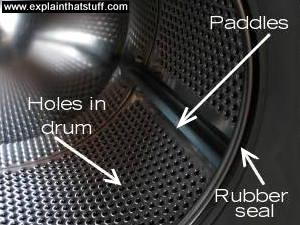
- Remove Odors from Washing Machine: Wipe the rubber seals around the drum regularly to tackle hidden grime.
- Front Load Washer Cleaning: Pay special attention to front loaders since their horizontal drums trap moisture more easily.
- Top Load Washer Care: Ensure the agitator and drum interior stay free from lint and build-up.
Washing Machine Maintenance Checklist
| Task | Recommended Frequency | Purpose/Benefit |
|---|---|---|
| Run empty hot water cycle with cleaner | Monthly | Removes detergent buildup and mold |
| Wipe drum and seals | Weekly | Prevents odors and maintains hygiene |
| Leave door open after wash | Every load | Prevents moisture stagnation and mold growth |
| Inspect and clean lint filters | Monthly | Ensures proper water drainage and efficiency |
| Check hoses and drum for wear | Annually | Prevents leaks and mechanical issues |
The Drum Behind the Scenes: Safety and Common Issues
Wear and tear on the drum isn’t just a minor hassle. If your drum develops cracks or the bearings start failing, you’ll hear awful grinding noises or see clothes caught in parts. Ignoring these symptoms leads to bigger problems, sometimes requiring full machine replacement. And no, slapping duct tape isn’t a long-term fix.
Importantly, when handling your drum (if ever you decide to check or repair it), unplug the machine to avoid electric shocks or injury. These parts spin fast and have sharp edges tucked out of sight.
Source: onsitego.com
For Deeper Insight
Want a solid overview of your washer’s parts and how the drum fits into the entire system? Check out What Is the Drum in a Washing Machine? | Common Parts of a Washer for a detailed breakdown. Curious about the engineering behind washer drums? This video explains their surprising complexity and history.
Exploring the manufacturing side, Drum Washer Information sheds light on industry standards and designs shaping drum performance today.
Lastly, if you want the full Wikipedia take on washers, including various drum types and washing tech, visit Washing machine – Wikipedia for comprehensive details.
Source: www.explainthatstuff.com
FREQUENTLY ASKED QUESTIONS
How often should I clean my washing machine drum?
Run an empty hot cycle with a washing machine cleaner or vinegar at least once a month to keep odor and residue buildup in check.
Can the drum damage clothes?
Generally, no. But damaged drums or rough surfaces inside the drum can snag or wear fabric. Proper maintenance helps avoid this.
Why does my washing machine smell bad even after a wash?
Usually due to residual water and detergent trapped inside the drum or seals. Regular drum and seal cleaning, plus leaving the door open after use, stops this.
Is there a difference between drums in top-load and front-load washers?
Yes. Front-load washers have a horizontally mounted drum that tumbles clothes, while top-load washers usually have a central agitator inside the drum to churn clothes vertically.
What signs indicate a drum problem?
Unusual noises during spinning, clothes getting caught, water leaking around the machine, or visible damage inside the drum.

Tyrone Jacobs is passionate about reducing household carbon footprints without sacrificing cleanliness. Her articles focus on high-efficiency (HE) machines, low-water washing techniques, and DIY natural machine-cleaning solutions. If you want to lower your utility bills and keep harsh chemicals out of your drain hoses, Tyrone Jacobs is your go-to expert.