Ever Wondered How to Use Your Washing Machine Right?
Picture this: you just bought fresh gym clothes, ready to sweat it out, but your washing machine smells funky and your clothes come out dull. Annoying, right? If you don’t know how to use a washing machine properly, you’re not alone. Luckily, with a few tricks, you can turn your laundry routine from a headache into a simple, almost enjoyable task.
Start With the Basics: Understanding Your Washer
Washing machines come in mainly two types: front load and top load. Each needs specific care:
- Front load washer cleaning requires periodic door gasket wiping to prevent mold.
- Top load washer care often involves balancing loads to avoid shaking.
Know your model’s manual before diving in—it’s a lifesaver.
Loading Clothes Correctly 🚀
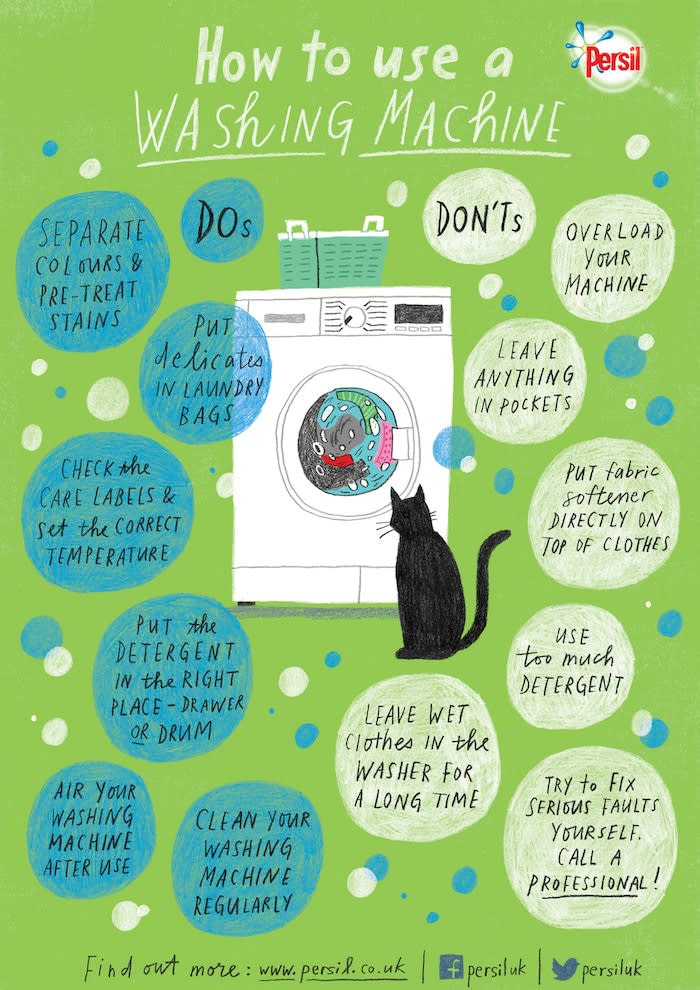
It’s tempting to cram every sock and T-shirt into one go, but overload spells trouble. Clothes need room to tumble for thorough cleaning.
- Sort laundry by fabric type and color.
- Don’t fill the drum more than 75% full for top loaders, 80% for front loaders.
- Check pockets and close zippers to protect clothes and your machine.
Detergent Dilemmas: Which and How Much?
Not all detergents are born equal. High-efficiency washers require HE detergent. Using regular soap can cause buildup and foul smells. Start with the manufacturer’s recommended amount—more isn’t better.
Here’s a quick callout:
Use less, rinse more!
Cycle Through the Options: What Do They Mean?
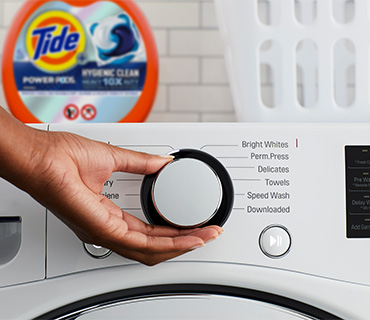
Modern washers boast a dizzying array of cycles. What you pick matters more than you think.
- Normal – For everyday loads like cotton or mixed fabrics.
- Delicate – Gentle on silky or lace fabrics.
- Heavy Duty – For grimy work clothes or towels.
- Quick Wash – Fast but less thorough, good for lightly soiled items.
Always match the cycle to your fabric and dirt level to avoid damage.
Remove Odor from Washing Machine: Don’t Ignore the Smell
Ever opened your machine to a strange, musty smell? You’re not the only one. This happens when residue builds up inside. Here’s how to fight it:
- Monthly, run an empty hot water cycle with white vinegar or a washing machine cleaner.
- Leave the door open after washing to air out moisture.
- Regularly clean detergent dispensers and rubber seals.
Washing Machine Maintenance Checklist
| Task | Recommended Frequency | Purpose/Benefit |
|---|---|---|
| Run cleaning cycle | Monthly | Prevent odors and residue buildup |
| Check hoses for leaks | Every 3-6 months | Avoid water damage |
| Clean lint filters | After every 5-6 washings | Keep wash efficient |
| Wipe door seals and detergent drawers | Weekly | Prevent mold and mildew |
Safety Precautions You Can’t Skip
Don’t just throw your clothes in and go. Unplug the washer before maintenance, don’t overload to prevent mechanical strain, and keep detergents away from kids and pets. These little moves save headaches.
For the ins and outs of washing machine operation and different models, check out this comprehensive Washing Machine Buying Guide by Abt Electronics for expert tips.
Wrapping Up
Learning how to use a washing machine isn’t rocket science, but skipping the basics can cost you big. A bit of care—selecting correct cycles, loading properly, using right detergent, and maintenance—makes your laundry cleaner, your machine last longer, and your life easier. Next wash day? You’re ready.
Source: tide.com

Source: www.youtube.com
Frequently Asked Questions
1. How much detergent should I use in my washing machine?
Follow the detergent packaging instructions and your machine’s manual. Generally, less detergent is better, especially for HE machines.
2. Can I wash all fabrics together?
No. Separate by color and fabric type to avoid damage and color bleeding.
3. How often should I clean my washing machine?
Monthly cleaning cycles with vinegar or a commercial cleaner help avoid odor and buildup.
4. Why does my washing machine smell bad?
Residue, trapped moisture, and mold cause odors. Regular cleaning and keeping the door ajar after use helps.
5. Is it bad to overload the washing machine?
Yes. Overloading prevents proper washing and strains the machine’s motor and bearings.

Tyrone Jacobs is passionate about reducing household carbon footprints without sacrificing cleanliness. Her articles focus on high-efficiency (HE) machines, low-water washing techniques, and DIY natural machine-cleaning solutions. If you want to lower your utility bills and keep harsh chemicals out of your drain hoses, Tyrone Jacobs is your go-to expert.