
Understanding Washing Machine Power Consumption 🚀
Washing machines use electricity measured in watts. This power consumption varies by type and cycle. Knowing the washing machine wattage helps you manage your home’s energy use better. It also affects your utility bill.
The cleaning and maintenance of your washer can also impact its energy efficiency. A well-maintained machine runs smoother and uses less power.
For a deeper understanding of this mechanic, analyzing resources on washing machine power consumption provides excellent foundational context.
Average Washing Machine Wattage and Energy Use
The average washing machine uses between 400 and 1300 watts during operation. Most machines run around 500-700 watts on standard cycles. Power spikes during heating water or spinning.
Energy use is measured in kilowatt hours (kWh). One kWh equals 1000 watts used for one hour. Most washers consume about 0.3 to 2 kWh per wash depending on settings.
Load size affects energy usage. Running a full load is more efficient than smaller loads. This reduces the number of cycles you run weekly.
Using the right cycle and temperature can cut energy use. Cold water cycles use less power than hot water ones. Modern eco-friendly washers have modes to save energy.
Front Load vs Top Load Wattage 🆚
Front load machines tend to be more energy efficient. They use less water and less power to heat that water. Their typical wattage is about 400-800 watts per cycle.
Top load machines can use more energy, often around 700-1300 watts depending on the model. They fill more water and sometimes heat it longer.
Energy Star washing machines meet strict efficiency standards. These models usually have lower wattage and power consumption.
| Machine Type | Typical Wattage Range (watts) | Energy Efficiency |
|---|---|---|
| Front Load | 400 – 800 | High (Energy Star rated) |
| Top Load | 700 – 1300 | Moderate |
Choosing between these types affects your overall energy use and cost. Front loaders often save money in the long run.
Impact of Temperature on Energy Usage
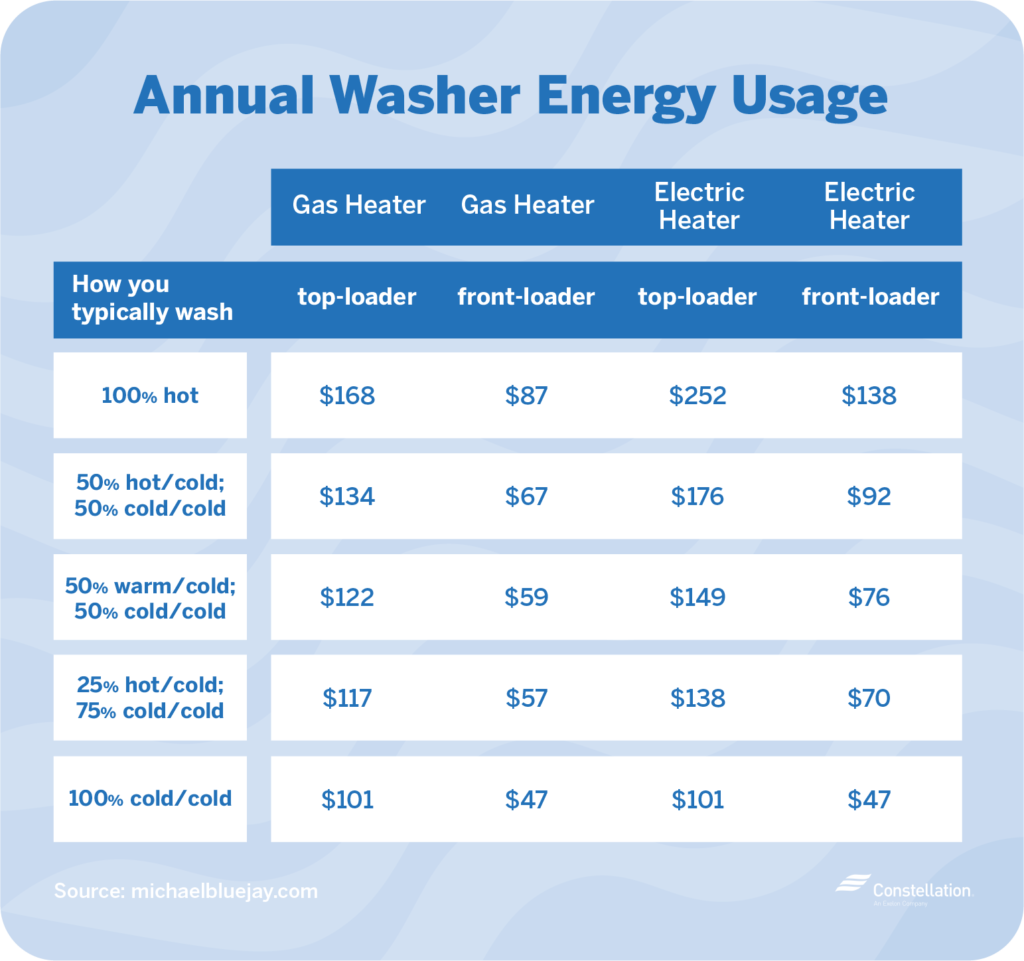
Heating water uses the most electricity in a washing cycle. Hot water cycles can double the power consumption compared to cold water.
Washing in cold or warm water saves energy and is often enough for most laundry loads. Many detergents work well in cold water now.
Using eco modes optimizes the temperature and cycle length to reduce power use. This mode is common in new eco-friendly washing machines.
Consider your laundry needs before using hot cycles. Save energy by washing less often on high heat.
Washing Machine Standby Power and Energy Cost
Standby power is the electricity used when the machine is plugged in but not running. It is usually low, about 1-3 watts.
This power adds up over time but is a small part of the total energy use. Unplugging the machine or using a smart plug can cut standby power.
The cost of running a washing machine depends on your utility rate and usage frequency. Energy Star rated models cost less to run.
Using a washing machine electricity calculator can help estimate your energy cost and savings.
Washing Machine Power Saving Tips ✅
Save energy and reduce costs by following these tips:
- ✅ Wash full loads to maximize energy use per load.
- ✅ Use cold water cycles when possible.
- ✅ Choose eco or energy-saving modes.
- ✅ Maintain your machine to keep it efficient.
- ✅ Unplug or use a smart plug to avoid standby power waste.
These simple steps help lower your electricity bill and reduce your carbon footprint.
Typical Amperage and Power Rating Explained
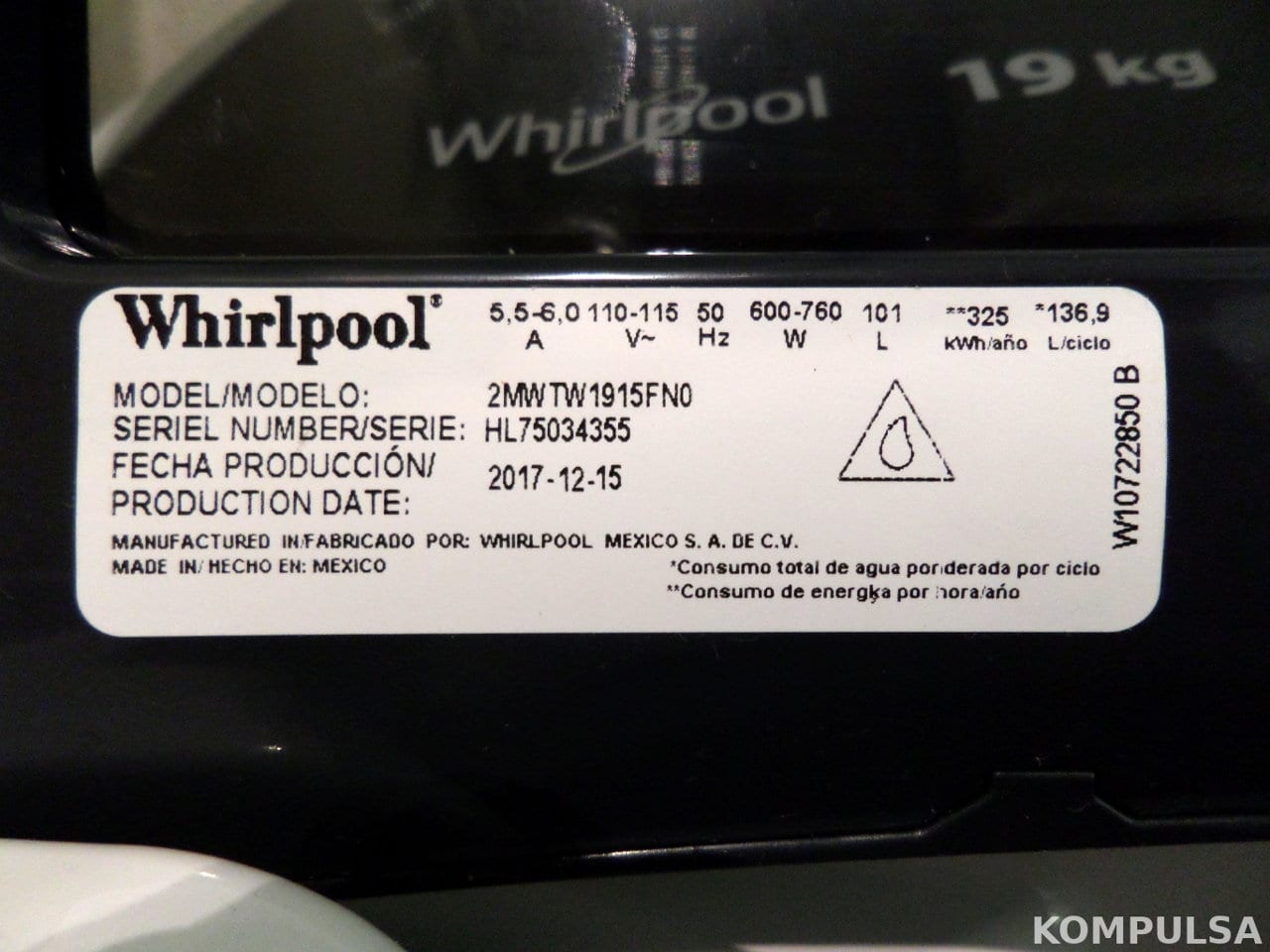
The power rating of washing machines is often shown in watts. Amperage tells how much current the machine draws. Most washers draw between 5 to 15 amps on a 120V supply.
Higher wattage means higher amperage. Knowing this helps ensure your home wiring can handle the machine safely.
New models with better energy efficiency tend to have lower amperage and wattage ratings.
| Washing Machine Type | Typical Amperage (amps) | Voltage (volts) |
|---|---|---|
| Standard Washer | 5 – 15 | 120 |
| High Efficiency | 4 – 10 | 120 |
Knowing the power rating helps when choosing a washing machine or troubleshooting electrical issues.
Energy Labels and Efficiency Ratings
Washing machines come with energy labels showing their power use and efficiency. These labels help compare models and find eco-friendly options.

Look for high star ratings or Energy Star certification. These indicate better energy savings and lower running costs.
Manufacturers also list cycle power usage and estimated yearly energy consumption on labels.
Checking these labels before buying helps you choose a machine that fits your budget and energy goals.
| Label | What It Shows | Benefit |
|---|---|---|
| Energy Star | Efficiency and power use | Lower electricity bills |
| Energy Label | Estimated yearly kWh | Compare models easily |
Conclusion: Managing Your Washing Machine Energy Use 💬
Understanding how many watts your washing machine uses helps you manage energy bills. Front load machines and eco modes save power. Using cold water and full loads lowers costs further.
Standby power is small but can be cut by unplugging. Check wattage, amperage, and energy labels when buying a new washer. These factors impact your long-term savings.
For more tips on efficient washing, learn how to use bleach in a washing machine safely from our detailed guide. This helps keep your machine working well and reduces wasted energy.
Managing washing machine power use is simple and effective. It benefits your wallet and the planet in 2026 and beyond.
Remember, a little care and smart choices lead to big energy savings.
Frequently Asked Questions
What is the average wattage of a washing machine?
The average washing machine uses between 400 to 1300 watts depending on the model and cycle.
Do front load washing machines use less energy than top load machines?
Yes, front load washing machines generally use less water and energy than top load machines.
How does water temperature affect washing machine energy use?
Higher temperature settings use more energy because heating water requires significant power.
What is standby power in washing machines?
Standby power is the electricity a washing machine uses when it is plugged in but not running.
How can I reduce the energy cost of using my washing machine?
Use eco modes, wash full loads, choose cold water cycles, and buy energy star rated machines.

Roger Jacobs is a seasoned appliance expert with over 15 years of experience in the washing machine industry. He specializes in product reviews, energy efficiency, and innovative washing technologies, providing users with trustworthy insights to make informed purchasing decisions.