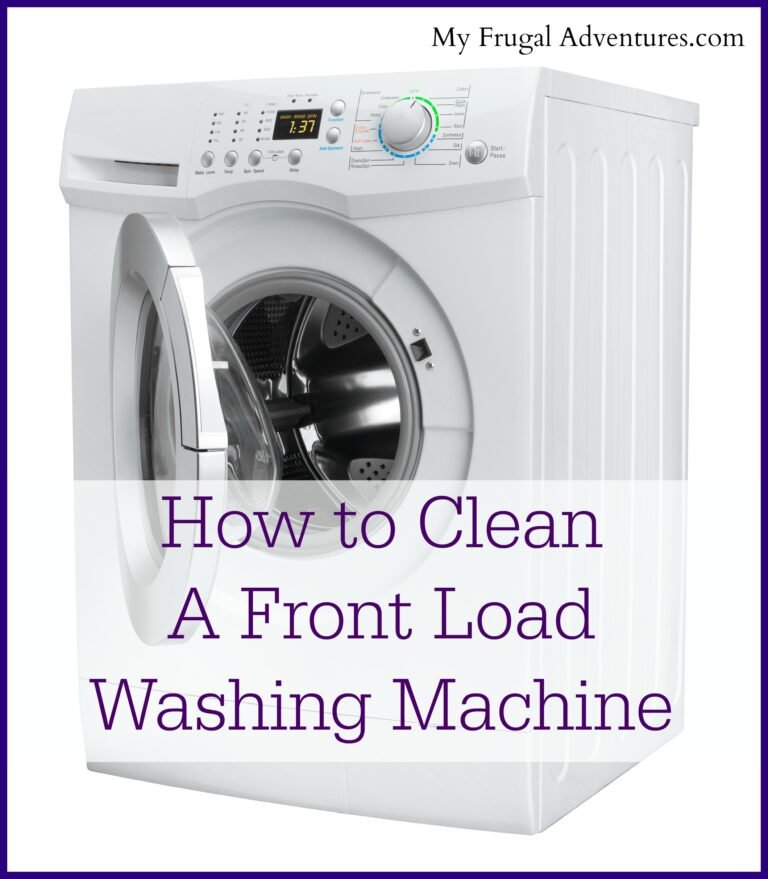
How To Clean Out Washer Machine
Stop the Stink: How To Clean Out Washer Machine Like a Pro
Look, your washing machine. It’s supposed to clean clothes, right? But what happens when the thing itself gets grimy? Smells? Yeah, it happens. More often than you think. This ain’t rocket science, but you gotta do it right. Or you’re just moving mildew around. Gross.

Honestly, most people just chuck a Tide pod in and call it a day. Wrong. That builds up gunk. Film. Actual funk. We’re talking about how to clean out washer machine properly. No fluff. Just the facts. Get your machine smelling like a spring breeze, not a gym sock left in a sauna for a month. The thing is, a clean machine means cleaner clothes. Simple economics. Better sanitation. Less wear and tear on the appliance itself. You paid good money for that thing; don’t let it turn into a biohazard.
I remember one time, a buddy of mine, Mark. Always complained his whites weren’t coming out white. Looked dingy. Smelled off. He’d been washing everything on cold, never ran a cleaning cycle. Said he was saving energy. Saving energy, my ass. He was saving up all the detergent residue and body oils for a grand party in his drum. Cost him a fortune in stain removers. And his favorite polo? Ruined. Smelled like regret. That’s when I showed him the light. This ain’t just about smell; it’s about performance. And your sanity.
Why Bother? The Grimy Truth.
Why clean the damn thing? Because it gets dirty. Duh. Detergent residue, fabric softener buildup, lint, hair, actual dirt from your clothes. It all accumulates. Especially in the rubber seal. That dark, damp place? A petri dish. Mold. Mildew. Bacteria. They love it. They throw parties. Your clothes pick it up. Then you wear it. Lovely. The average washing machine drum harbors more bacteria than a toilet seat. Think about that. Next time you’re loading your delicates. You’re welcome.
And the smell? That musty odor? That’s not just in your head. That’s the funk breeding. It seeps into your laundry. Then your nose. Then your soul. To be fair, front-loaders are notorious for this. That tight seal, it traps moisture. Great for leaks, terrible for drying out. But top-loaders ain’t iocent. They get their own share of crud buildup. Soap scum central.
The Hidden Costs of Neglect
Ignoring this chore costs you. Beyond the stink. Buildup can clog hoses. Damage components. Reduce efficiency. Make your machine work harder. Use more electricity. Water. Everything. You end up buying new machines sooner. Replacing clothes that come out dingy. It’s a cascade of crap. A 2018 study by the National Sanitation Foundation found significant levels of E. coli and fecal coliforms in washing machine drums. Yummy. And we’re talking about machines that cost anywhere from $400 to $1500. Don’t be an idiot. Maintain your investment.
Your Weaponry: What You Need
You don’t need a hazmat suit. But you do need a few things. Keep it simple, stupid. Most of this is probably under your sink already. Or a quick trip to the grocery store. We’re talking about supplies for how to clean out washer machine. Effective, cheap, readily available. No fancy proprietary cleaners needed. They just want your money.
- White Vinegar: The old standby. Cheap. Kills mold and mildew. Cuts through soap scum. Natural disinfectant.
- Baking Soda: Mild abrasive. Deodorizer. Helps scrub away grime. Works wonders with vinegar.
- Chlorine Bleach (Optional): For serious mold/mildew problems. Use sparingly. Can damage seals if overused. Not for HE machines unless diluted properly. Check your manual.
- Microfiber Cloths: For wiping. Get a few.
- Old Toothbrush/Scrub Brush: For getting into nooks and craies.
- Gloves: Protect your hands. Especially if using bleach.
- Bucket/Bowl: For mixing solutions or soaking parts.
The How-To: Step-by-Step Aihilation of Grime
Watch: How To Clean Your Front Load Washing Machine
Alright, let’s get down to business. This is the core of how to clean out washer machine. Follow these steps. Don’t skip. Don’t improvise. Unless you’re sure you know better than decades of detergent buildup. Which, honestly, you probably don’t.
Step 1: Prep the Battlefield
First things first. Empty the machine. Obviously. No clothes. No stray socks hiding in corners. Give it a good look-see. Check the drum for any obvious debris. Loose coins, buttons, whatever. Get it all out. Open the door. Let it air out for a bit. Even 15 minutes helps. Especially for front-loaders. Get some air moving.
Step 2: The Seal’s Secret Life
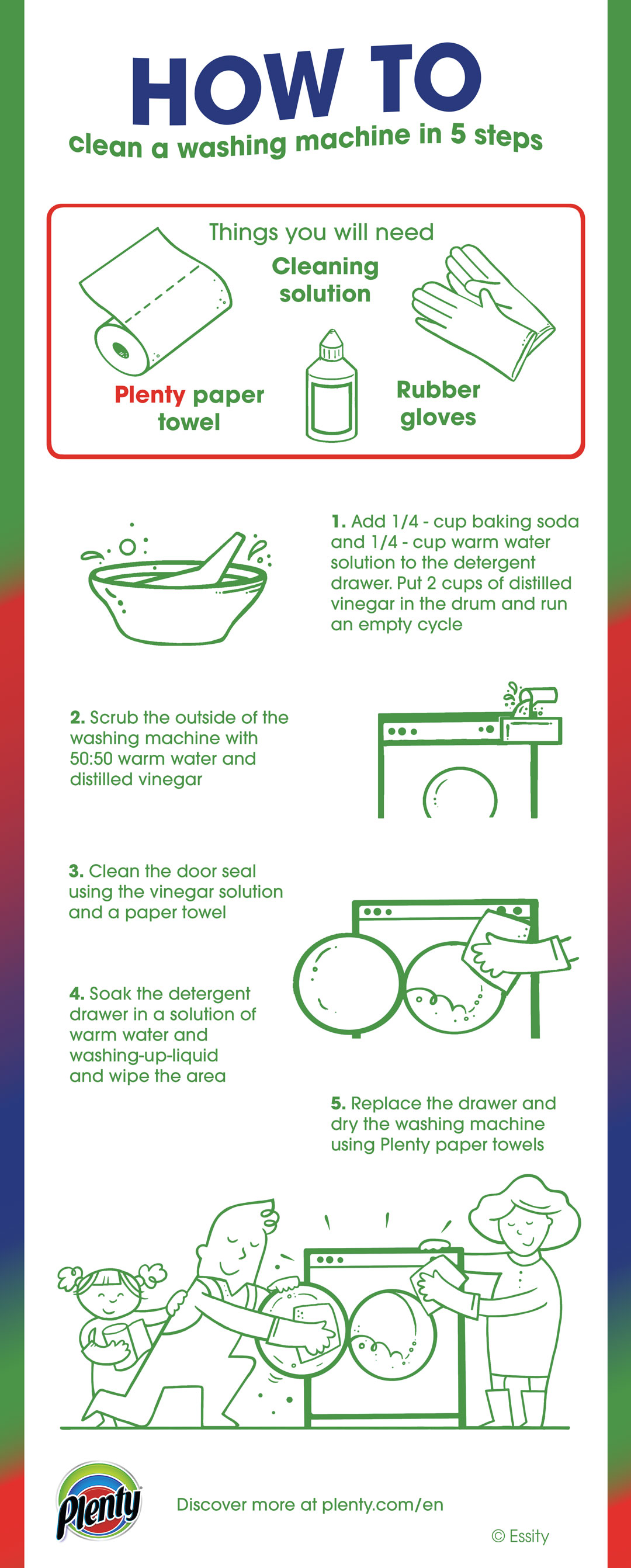
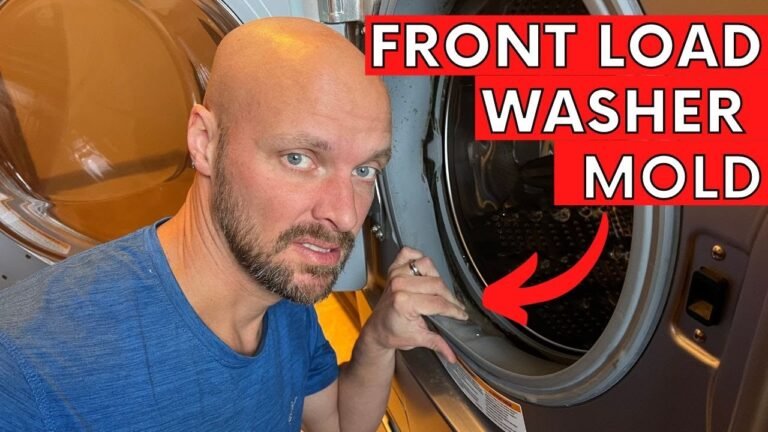
This is crucial for front-loaders. That rubber gasket around the door? It’s a swamp. Pull it back gently. You’ll see. Gunk. Hair. Probably some terrifying fuzz. Spray it with a vinegar/water mix (50/50). Let it sit for 10 minutes. Then scrub with your toothbrush. Get into every crease. Wipe it clean with a damp cloth. Repeat if necessary. Seriously, get in there. This is where the nasties hide. I once found a button that must’ve been in there since the machine was new. A freaking button!
Step 3: The Dispenser Drawer De-Gunking
Pull out the dispenser drawer. Most slide out easily. Some have a little tab to press. Check your manual if you’re clueless. You’ll see residue. Mold. Hardened goo. Soak it in hot water and vinegar. Or just hot, soapy water. Scrub it clean with your brush. Rinse it well. Dry it. While it’s out, clean the cavity where the drawer sits. Use a damp cloth. Maybe a toothbrush again. Get that area clean. Don’t just shove a dirty drawer back in.
Step 4: The Vinegar Cycle – The First Assault
Okay, time for the main event. Load up. Pour 2 cups of white vinegar directly into the drum. Not the dispenser. Directly in. Then run the machine on its hottest, longest cycle. A heavy-duty cycle if you have one. Let it run. All the way through. This vinegar will break down soap scum and kill some of that funk.
Watch: HOW TO CLEAN YOUR WASHING MACHINE! (Quick & Easy!)
Why hot water? Heat kills more germs. Simple. And the longest cycle ensures it has time to work. Don’t add any detergent. Just the vinegar. You’re not washing clothes. You’re cleaning the machine. The thing is, vinegar is acidic. It eats through mineral deposits and soap scum. A natural cleaner that actually works. Unlike those scented beads that just mask the problem.
Step 5: The Baking Soda Cycle – The Second Wave
Once the vinegar cycle is finished, dump about half a cup of baking soda directly into the drum. Close the door. Run another hot, long cycle. The baking soda will help scrub away any remaining residue and neutralize any lingering odors. This combo, vinegar then baking soda, is surprisingly effective. It’s a classic for a reason. It’s cheap. It’s effective. It’s not some MLM scheme.
The baking soda acts as a mild abrasive. It helps lift away softened gunk. And it’s alkaline, which helps deodorize. You’re essentially giving your machine a spa treatment. A deep clean. It neutralizes the acid from the vinegar and leaves things smelling fresh. No harsh chemicals needed. If you’re feeling brave, or have a really bad situation, you could substitute the baking soda cycle with a very diluted bleach cycle (1/4 cup bleach max, hot cycle, followed by a rinse cycle). BUT check your manual first. Bleach can damage rubber parts. And never mix bleach and vinegar. Ever. Seriously, don’t. That’s how you make toxic gas. Idiot move.
Watch: How To Clean Your Top Load Washing Machine
Step 6: Exterior Wipe-Down and Final Polish
While the machine is doing its thing, clean the outside. Use a damp cloth with a bit of all-purpose cleaner or vinegar solution. Wipe down the control panel, the lid or door, the sides, the base. Don’t forget behind the machine if you can reach. Dust buies love to gather there. Make it look as clean as it smells. A clean appliance is just… better. It feels right. Like putting on clean socks.
Step 7: Air it Out (Again)
Once all the cycles are done, leave the door open. Let it air dry completely. This is crucial, especially for front-loaders. Trapped moisture equals new mold. Just let it breathe. For a few hours, or overnight if you can. The goal is bone dry.
Specific Machine Types: Top vs. Front Loader
Look, the basic principles are the same for how to clean out washer machine. But there are nuances. Especially with the seals.
Front-Loaders: The Mold Magnets

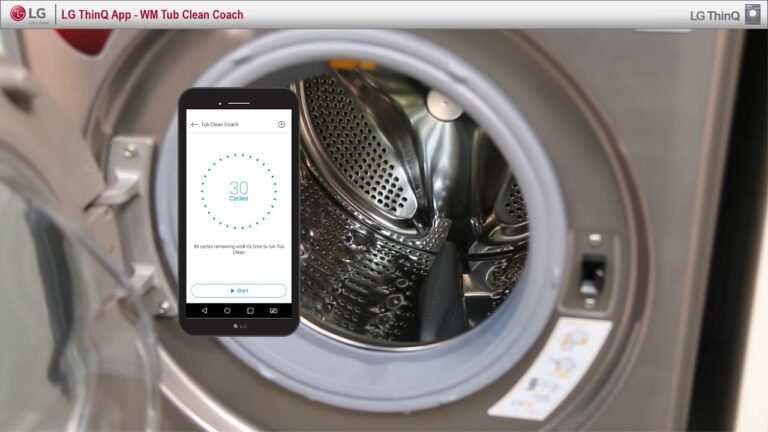
As mentioned, the door seal is your enemy here. Be militant about cleaning it after every few washes. Leave the door ajar between loads. These machines are more prone to odor issues because they use less water and have that tight seal. The vinegar and baking soda cycles are non-negotiable. You might need to do them monthly. Some high-efficiency (HE) models have specific cleaning cycles. Use ’em. They’re usually hot and long.
Top-Loaders: The Agitator Agony
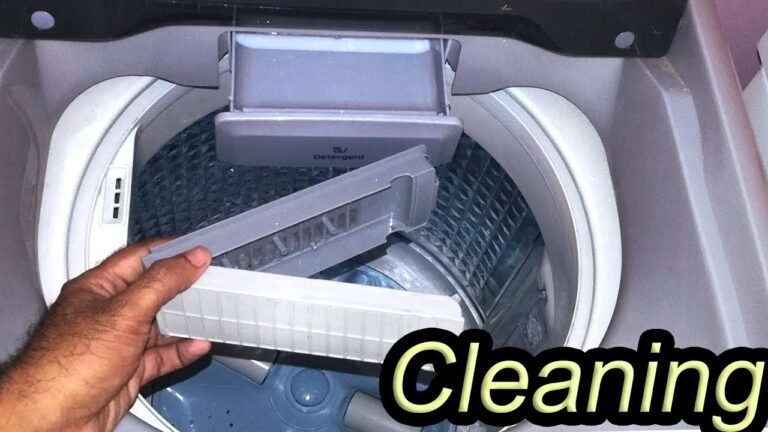
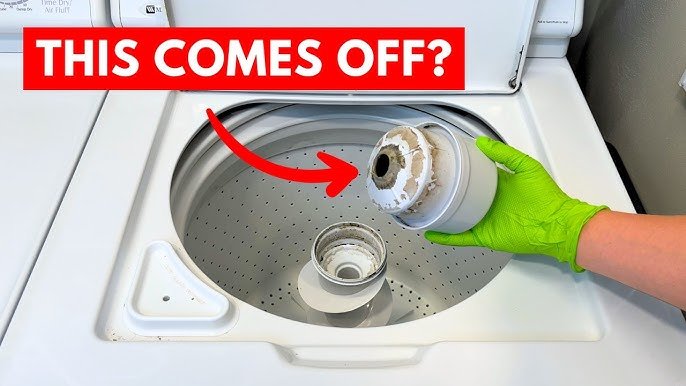
Top-loaders have different challenges. The rim around the top can collect residue. The agitator itself can get gunky. Some have agitator caps you can remove. Check your manual. If yours has one, remove it and clean it thoroughly. Vinegar and baking soda cycles are still your best friends. You might not need to do them as often as a front-loader, maybe every 2-3 months, unless you start smelling something funky.
Maintenance is Key: Preventing the Funk
The best way to deal with cleaning your washing machine? Don’t let it get dirty in the first place. Simple, right? But how?
:max_bytes(150000):strip_icc()/clean-top-load-washing-machine-5073254-V1-4d57061f759a4c84a61cb797084649a7.png "How To Clean Out Washer Machine 4")
- Use the Right Detergent: HE machines need HE detergent. Using too much detergent is a common mistake. Follow the dosage recommendations. Too much soap leaves residue.
- Leave the Door Ajar: Always. After every load. Especially front-loaders. Let air circulate. Let it dry out.
- Wipe the Seal: After each use, give that rubber seal a quick wipe down. Takes 10 seconds. Prevents major buildup.
- Remove Wet Clothes Promptly: Don’t let damp laundry sit in the machine. It breeds mildew. Get it out. Hang it up. Dry it.
- Run Hot Cycles Occasionally: Even if you usually wash in cold, run a hot water load once a month. Helps dissolve residue. Kills germs.
- Deep Clean Regularly: Monthly for front-loaders, bi-monthly for top-loaders. Depends on usage. If it smells, clean it. Don’t wait.
A Pro’s Cheat Sheet: When Things Get Really Bad
What if your machine is beyond vinegar and baking soda? What if it looks like a science experiment gone wrong? Okay, deep breaths. You can escalate.
Option 1: Bleach (Use With Extreme Caution)
For severe mold and mildew. Use about 1/4 cup of chlorine bleach. Run a HOT, long cycle. After it finishes, run a second rinse cycle to ensure all bleach is gone. IMPORTANT: Never mix bleach with vinegar or ammonia. Seriously. Fatal mistake. And check your manual. Some manufacturers advise against bleach entirely.
Option 2: Specialized Washer Cleaners

There are commercial cleaners like Affresh or Tide Washing Machine Cleaner. They work. They’re formulated for this. Follow the package directions. They’re convenient, but cost more than vinegar/baking soda. For $5-$10 a box, they’re not terrible. But honestly, the DIY method is usually just as good.
Option 3: Professional Cleaning
If you’ve tried everything and it’s still gross, or you’re just too squeamish, call a pro. They have specialized tools and stronger cleaners. But this is the last resort. You shouldn’t need it if you’re doing regular maintenance. Think of it like calling a plumber because your toilet is slightly clogged. Overkill.
Understanding Your Machine’s Anatomy: Key Parts to Clean
Let’s break down the critical zones. This is where the grime congregates. Knowing these spots helps in how to clean out washer machine effectively.
| Component | Problem Areas | Cleaning Method |
|---|---|---|
| Door Seal/Gasket | Grooves, folds, under the lip. Traps moisture, hair, lint, mold. | Vinegar spray, toothbrush scrub, wipe clean. Inspect/clean regularly. |
| Dispenser Drawer | Compartments for detergent/softener. Buildup, mold, clogs. | Remove, soak in hot water/vinegar, scrub, rinse, dry. Clean cavity. |
| Drum Interior | Surface buildup, residue, potential mildew spots. | Hot water cycles with vinegar and baking soda. |
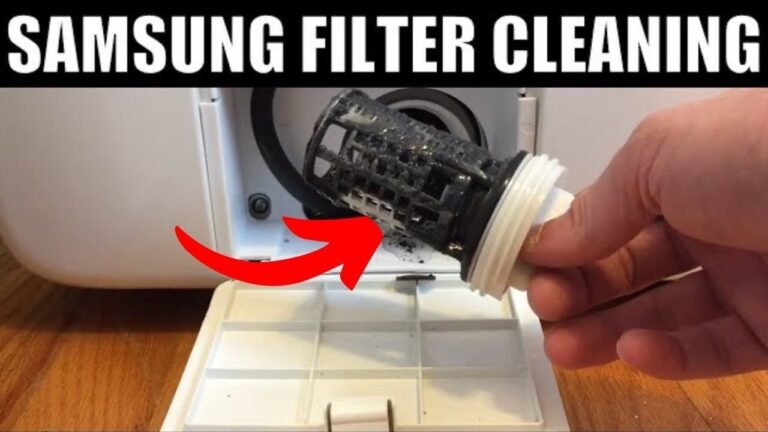
| Drain Filter/Pump Trap | Hidden compartment (usually bottom front). Catches lint, coins, debris. Clogs machine. | Locate, place towel/pan, unscrew carefully, clean filter, replace. Check manual. Do this maybe twice a year. |
| Agitator (Top Loaders) | Top, fins, base. Can collect hair and lint. | Wipe down. If removable, clean thoroughly. |
| Exterior Surfaces | Control panel, lid, sides. Dust, spills, grime. | Damp cloth, mild cleaner. Keep it simple. |
Frequently Asked Questions
What’s the best way to clean inside a washing machine?
The most effective and affordable way to clean inside a washing machine involves using white vinegar and baking soda. Run a hot, long cycle with 2 cups of vinegar directly in the drum. Follow this with another hot, long cycle using 1/2 cup of baking soda in the drum. For front-loaders, always clean the door seal and dispenser drawer separately first. This method tackles soap scum, mineral buildup, and odor-causing bacteria.
How do I sanitize my washing machine?
To sanitize your washing machine, you can use a diluted chlorine bleach solution. After cleaning the seal and dispenser, add about 1/4 cup of bleach directly to the drum. Run the hottest, longest cycle available. Afterward, run an extra rinse cycle to ensure all bleach residue is completely flushed out. Crucially, never mix bleach with vinegar or ammonia, as this creates toxic fumes. Always check your washing machine’s manual before using bleach.
How often should I clean my washing machine?
For front-loading machines, which are more prone to moisture buildup and mold, aim for a deep clean once a month. For top-loading machines, cleaning every 2-3 months is usually sufficient, unless you notice odors or buildup sooner. Regular maintenance, like leaving the door ajar and wiping the seal, can extend the time between deep cleans.
Can I use essential oils to make my washer smell good?
While essential oils can add a pleasant scent, they aren’t cleaners and can potentially leave oily residues that attract more grime over time. It’s best to focus on cleaning the machine thoroughly with vinegar and baking soda first. If you want a scent, add a few drops of essential oil (like lemon or lavender) to a washcloth and toss it in during the final rinse cycle, or add them after the cleaning cycles are complete.
What should I do if my washing machine still smells after cleaning?
If your washing machine still smells after a thorough cleaning, it could indicate a persistent mold issue, a clog in the drain pump filter, or mineral buildup in internal hoses. Double-check the door seal and dispenser drawer meticulously. Inspect and clean the drain pump filter (usually found behind a small access panel at the bottom front of the machine). If the smell persists, you might need to repeat the cleaning process, perhaps using a specialized washing machine cleaner, or consider calling a professional appliance technician.