
Understanding Washing Machine Water Consumption
Washing machines use water to clean clothes deeply. The amount of water varies widely by machine type and cycle. In 2026, new washer models focus on water-saving technology to lower water use while maintaining cleaning power. Understanding water usage helps you pick the right machine and save on utility bills.
Industry consensus indicates that water consumption depends on washing machine capacity, cycle settings. And design. For a deeper understanding of this mechanic, analyzing resources on washing machine water usage provides excellent foundational context.
Choosing an energy-efficient washing machine with smart water use is key to reducing environmental impact and water bills. To learn more about how long washing cycles take in such machines, see this detailed guide on laundromat washing machine cycle times.
Water Usage by Washing Machine Type
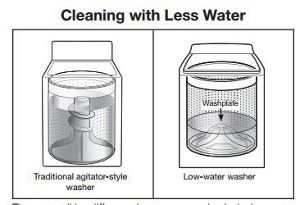
Front-load and top-load washers use different amounts of water. Front-load washers are more water-efficient. They use a tumbling action and less water to clean clothes. Top-load washers fill the drum more, using more water per cycle. New top-load HE washers have improved efficiency but still tend to use more water than front-loaders.
Water use also depends on the washer’s capacity. Larger machines use more water but can wash bigger loads. This may reduce total water used per pound of laundry.
For tips on maintaining top-load washers to keep water use low, check this how to clean top loading washing machine guide.
| Washer Type | Average Gallons per Load | Water Efficiency |
|---|---|---|
| Traditional Top-Load | 30-40 gallons | Lower |
| High-Efficiency Top-Load | 15-25 gallons | Medium |
| Front-Load | 10-20 gallons | High |
As shown, front-load washers lead in water efficiency. Choosing the right cycle setting can further reduce water use.
Impact of Cycle Settings on Water Consumption
Wash cycle settings affect water use. Longer or heavy-duty cycles use more water than quick or eco cycles. The rinse phase also adds to water consumption. Modern machines now have sensors to adjust water based on load size and soil level.
Reducing rinse cycles or selecting eco-friendly cycles can save gallons of water each load. Using the washing machine water usage calculator available on many brand websites helps estimate water use based on settings.
Understanding soil level settings improves efficiency. For more on soil level meaning and its effect on water use, visit what is soil level washing machine.
Energy-Efficient Washers and Water Savings
Energy-efficient washers (HE washers) use less water and energy. They maintain cleaning quality through better drum design and wash motions. In 2026, HE washing machine water efficiency meets strict EPA water standards.
These washers use advanced sensors and water-saving technology to match water levels with laundry loads. The typical gallons per load for HE washers range from 10 to 20 gallons, much less than older models.
Choosing an HE washer not only saves water but also lowers your water bill. To understand how many loads your washing machine can handle before needing replacement, see this article on washing machine load lifespan.
Water-Saving Laundry Tips for 2026
Saving water during laundry helps the planet and your wallet. Here are some water-saving laundry tips:

- ✅ Wash full loads to maximize water use.
- ✅ Choose eco or quick wash cycles.
- ✅ Use HE detergents for better cleaning with less water.
- ✅ Maintain your washer to prevent leaks and inefficiency.
These practices reduce laundry water consumption without harming cleaning results.
For more eco-friendly laundry practices, explore detailed guides on washing delicate items safely.
Comparing Water Consumption Across Washer Models
Water consumption varies by model and brand. Newer models tend to use less water due to better technology. Checking the water usage specs before buying helps choose a water-efficient model.
Many brands now provide water usage data per cycle in gallons. Comparing this data helps make an eco-friendly choice.
| Brand/Model | Gallons per Cycle | Capacity (lbs) | Water-Saving Features |
|---|---|---|---|
| Brand A Front-Load HE | 12 gallons | 4.5 | Load sensing, eco cycle |
| Brand B Top-Load HE | 20 gallons | 5.0 | Soil level sensor |
| Brand C Traditional Top-Load | 35 gallons | 4.0 | Standard cycles |
Choosing a model with smart water-saving features is key to reducing water use.

Effect of Washer Water Use on Your Water Bill
Washing machine water consumption impacts your water bill. More water used per load means higher cost. Using energy-efficient washers and good laundry habits can reduce bills.
Tracking your water use with a washing machine water usage calculator can help identify savings. Fixing leaks and using the right cycle also lowers water waste.
Consider also the impact of water pressure and drum size on water consumption. Efficient machines optimize these factors.
Conclusion
Washing machine water use in 2026 is much lower thanks to advances in technology. Front-load and HE washers lead in water savings, using as little as 10-20 gallons per load. Cycle settings, load size. And machine capacity also affect water use.
Following water-saving laundry tips and choosing energy-efficient machines reduces water consumption and lowers your water bill. Understanding water use helps you make smarter choices for your home and the environment.
For more on water and energy efficiency in laundry, explore practical advice on washing machine care and cleaning.
By using modern washers wisely, you save water, money. And support eco-friendly living. Start tracking your washer’s water consumption today to make the best choices for your household.
Frequently Asked Questions
How much water does an average washing machine use per cycle?
On average, modern washing machines use between 10 to 25 gallons of water per wash cycle, depending on the model and settings.
Do front-load washers use less water than top-load washers?
Yes, front-load washers generally use 20% to 50% less water than traditional top-load washers due to their design and efficiency.
What is an HE washing machine and how does it save water?
An HE (high-efficiency) washing machine uses advanced technology to reduce water use per load, often using less water and energy compared to standard models.
Can washing machine water consumption affect my water bill?
Yes, washing machines that use more water per cycle can increase your water bill, especially if you do laundry frequently.
What are some water-saving laundry tips for 2026?
Use high-efficiency washers, wash full loads, select eco-friendly cycle settings, and maintain your machine regularly to cut down water use.

Roger Jacobs is a seasoned appliance expert with over 15 years of experience in the washing machine industry. He specializes in product reviews, energy efficiency, and innovative washing technologies, providing users with trustworthy insights to make informed purchasing decisions.