
Overview of Wash Down Pillows Machine Technology
Wash down pillows machines use industrial washing technology. They clean pillows in large volumes with high cleaning efficacy. These machines combine water temperature control and detergent injection systems. This ensures pillows get sanitized without damage. The pillow cleaning process is optimized by automated washing systems that adjust cycle duration based on fabric type compatibility and machine capacity.
Industry consensus indicates that modern pillow sanitation equipment blends energy-efficient washing machines with fabric care technology. This helps extend material durability while meeting wash down standard compliance. For a deeper understanding of this mechanic, analyzing resources on washing down pillows provides excellent foundational context.
Wash down pillows machines are essential for commercial textile maintenance. They offer wash cycle optimization, ensuring thorough cleaning and proper rinsing and spinning. Their detergent dispenser systems precisely dose cleaning agents to reduce waste and energy consumption.
Key Features of Industrial Pillow Washers
High volume pillow washers come equipped with load sensors and advanced operator interfaces. These features allow easy cycle selection and real-time monitoring of production throughput. Automated washing cycles can be programmed for different pillow types, including water-resistant pillow care.
Energy consumption is a critical factor. Modern washers use energy-efficient designs that reduce power usage while maintaining cleaning quality. Their drainage systems are designed for quick water removal, improving cycle duration without sacrificing fabric care.
Maintenance protocols for these machines include regular checks of wash down certification and safety standards. Keeping machines clean ensures long-term performance and pillow sanitation equipment durability.
Optimizing Wash Cycles for Pillows
Wash cycle optimization is vital for pillows. Different fabrics require specific water temperatures and washing motions. Industrial fabric washing machines use tailored cycles to protect material durability. This includes gentle rinse and spin cycles to avoid damage.
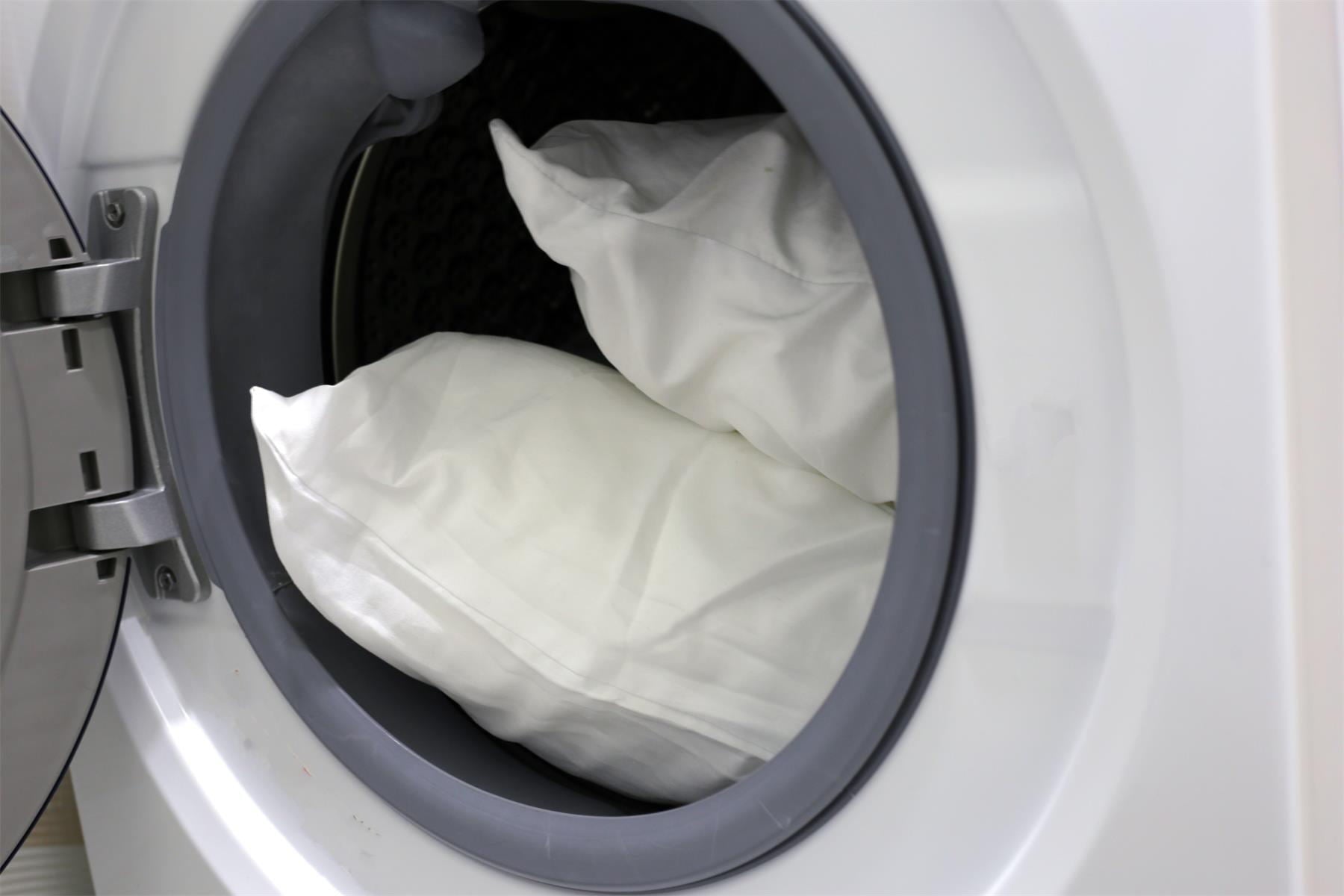
:max_bytes(150000):strip_icc()/how-to-clean-and-care-for-feather-bed-pillows-9367-6452c5048fd846389285b71b6c59e559.jpg "How to Wash a Down Pillow at Home (Figure)")
Detergent injection systems distribute cleaning agents evenly. This helps in removing stains and allergens effectively. Automated systems adjust cycle duration based on load sensors to save water and energy. These smart features make the pillow cleaning process both efficient and safe.
Operators must select cycles matching fabric care technology guidelines. This ensures the best cleaning results while preserving pillow shape and softness.
Safety and Compliance in Pillow Washing
Wash down pillows machines must meet strict wash down safety standards. This includes electrical and mechanical safety for operators. Wash down standard compliance protects workers from hazards during machine operation and cleaning.
Sanitization protocols include using approved detergents and maintaining cleaning machinery for pillows in clean condition. Regular machine inspections help identify wear or malfunctions early. This prevents accidents and maintains cleaning efficacy.
Training on operator interface use and maintenance protocols enhances overall safety. Certified pillow sanitation equipment reduces risks in commercial textile cleaning environments.
Industrial vs. Commercial Pillow Washing Systems
Not all pillow washers are built alike. Industrial pillow washers differ from commercial textile cleaning machines in capacity and automation. Industrial machines handle higher volumes and offer more precise wash cycle control.
Automation level varies, with industrial washers featuring advanced load sensors and detergent dispenser systems. Commercial washers may have simpler controls but still provide effective fabric care technology.
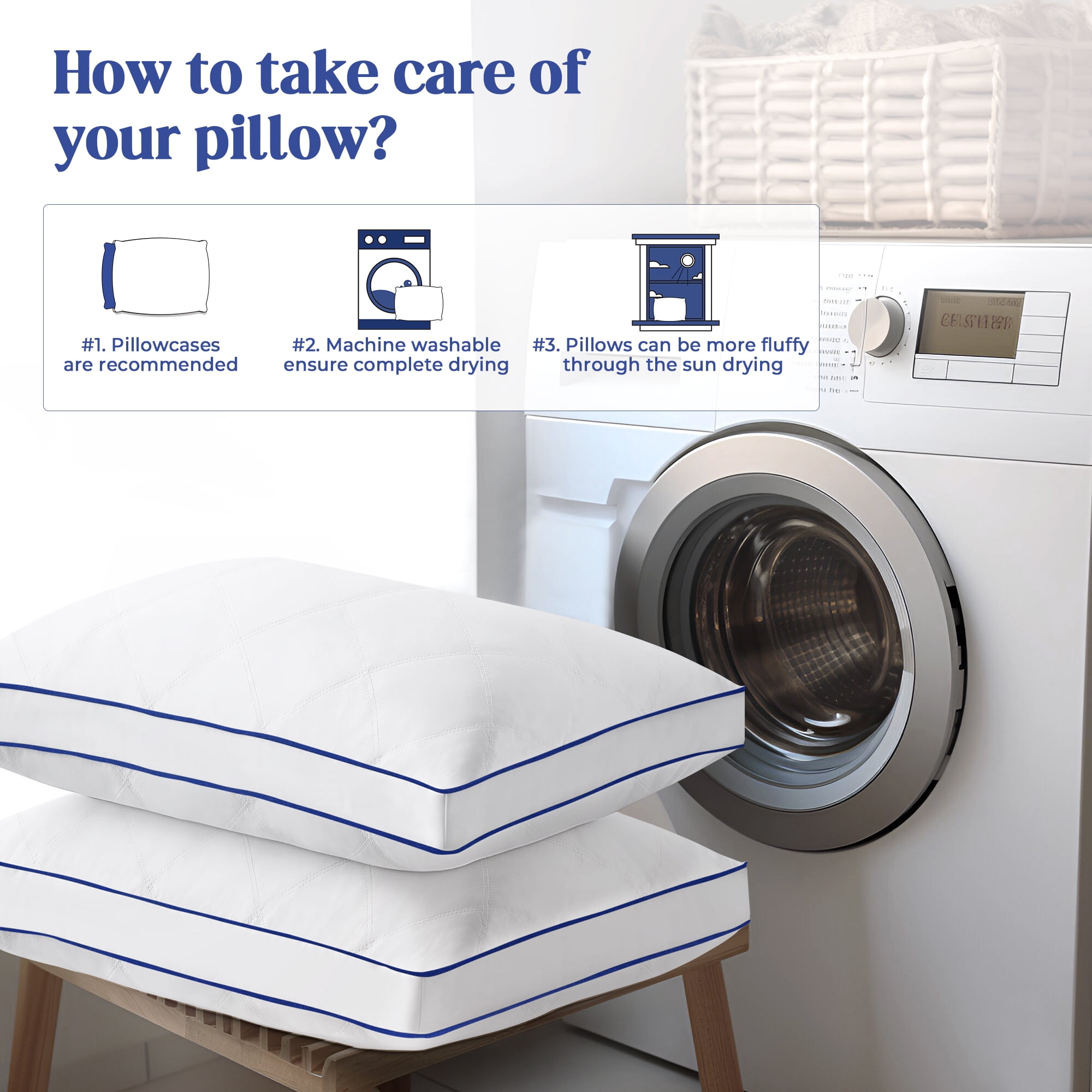
Choosing the right system depends on production needs, energy consumption targets. And fabric type compatibility.
| Feature | Industrial Pillow Washer | Commercial Textile Washer |
|---|---|---|
| Machine Capacity | High (hundreds per cycle) | Moderate (dozens per cycle) |
| Automation Level | Advanced with load sensors | Basic to moderate |
| Energy Efficiency | Optimized for large loads | Standard |
| Fabric Compatibility | Wide, including water-resistant | Limited |
| Operator Interface | Touchscreen with monitoring | Manual or simple digital |
Understanding these differences helps in making informed purchases for pillow sanitation equipment and ensuring wash cycle optimization meets facility needs.
Step-by-Step Guide to Using a Wash Down Pillows Machine
Using a wash down pillows machine involves several clear steps. First, sort pillows by fabric type and resistance. Next, load the machine without overfilling, respecting machine capacity limits. Then, select the appropriate automated washing cycle with water temperature control.
After the cycle runs, the rinse and spin cycle removes detergent residues. Unload pillows carefully to maintain shape. Finally, perform regular maintenance checks on the detergent dispenser system and drainage system to ensure smooth operation.
This process supports fabric care technology and ensures high cleaning efficacy.
- Sort pillows by fabric and condition.
- Load pillows evenly, avoiding overload.
- Select wash cycle based on fabric type.
- Start the machine and monitor cycle duration.
- Complete rinse and spin cycle.
- Unload pillows gently and inspect.
- Maintain machine regularly for safety and efficiency.
Energy Efficiency and Maintenance Tips
Energy-efficient washing machines save costs and reduce environmental impact. Use cycles that match load size and soil level to avoid waste. Detergent dispenser systems should be calibrated to prevent excess use.
Regular cleaning of the drainage system and wash down certification checks keep machines running well. Operator training improves adherence to maintenance protocols and wash down safety standards.
Integrating these steps increases production throughput and extends machine life.
| Maintenance Task | Frequency | Benefit |
|---|---|---|
| Clean detergent dispenser | Monthly | Ensures proper dosing |
| Inspect drainage system | Quarterly | Prevents clogs |
| Check load sensors | Biannually | Maintains cycle accuracy |
| Wash down certification review | Annually | Ensures safety compliance |
| Operator training refresh | Annually | Improves safety and efficiency |
Following this schedule helps keep the pillow cleaning process smooth and safe.
Conclusion
Wash down pillows machines are vital in 2026 for effective pillow cleaning. They combine industrial washing technology with fabric care and energy efficiency. Automated washing systems and wash cycle optimization improve cleaning efficacy while protecting pillow materials.
Safety and compliance remain top priorities. Maintenance protocols and operator training support this. Choosing the right pillow sanitation equipment depends on production needs and fabric compatibility.
For best results, integrate these machines into commercial textile maintenance routines. To learn more about caring for down and feather pillows, resources like pillow care guide offer useful tips.
Finally, understanding how to use advanced machines can save energy and maintain pillow quality. For example, exploring how to use rit dye washing machine helps with fabric care knowledge. Also, knowing how to clean dog hair from washing machine aids in general machine upkeep. These insights combine to enhance textile cleaning in 2026 and beyond.
Frequently Asked Questions
What is a wash down pillows machine?
A wash down pillows machine is a specialized industrial washer designed to clean pillows thoroughly while protecting their fabric and filling.
How does automation improve pillow washing?
Automation allows precise control of wash cycles, water temperature, detergent levels, and load sensing, which enhances cleaning and fabric care.
Are wash down pillows machines energy efficient?
Yes, modern machines use high-efficiency technology that lowers water and energy use while maintaining strong cleaning power.
Can wash down pillows machines handle different pillow types?
Advanced machines offer fabric type compatibility, allowing safe washing of down, feather, synthetic, and water-resistant pillows.
What safety standards apply to wash down pillows machines?
These machines comply with wash down safety standards and certifications, ensuring operator safety and hygiene during pillow cleaning.

Roger Jacobs is a seasoned appliance expert with over 15 years of experience in the washing machine industry. He specializes in product reviews, energy efficiency, and innovative washing technologies, providing users with trustworthy insights to make informed purchasing decisions.