What Is Soil Level on a Washing Machine? A No-BS Guide to Cleaner Clothes
Alright, you’re staring at your washing machine’s dizzying control panel, and there it is—the soil level setting. Soil level? What the heck is that, and does it really matter if you tweak it a little? Spoiler: it absolutely does, unless you enjoy re-washing stinky clothes or wasting water like it’s going out of style.
What Does Soil Level Mean on a Washing Machine?
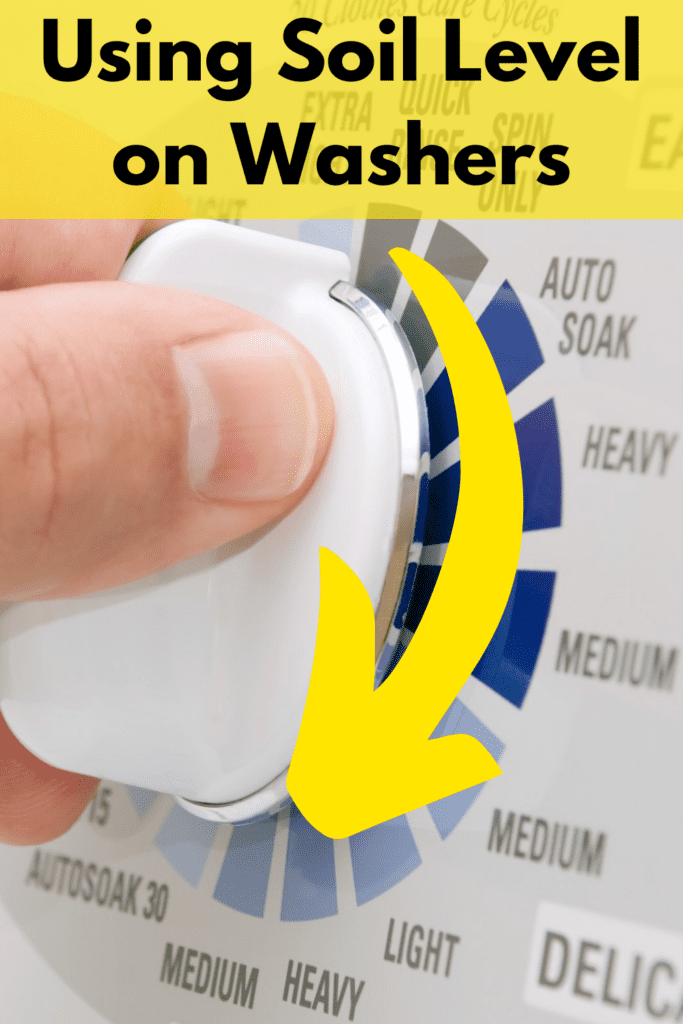
Simply put, soil level tells your washer how dirty your clothes are. Yeah, it’s that straightforward. If you select “Heavy Soil,” your machine won’t mess around. It’ll crank up the wash time, intensify the agitation, and use more water to bash away that mud from your kid’s soccer game or grease from your work shirt. Pick “Light Soil,” and it assumes your clothes only need a gentle, quick scrub.

Source: www.reddit.com
This setting affects how the machine tweaks its cycle to get your laundry sparkling without overdoing it. More dirt means more elbow grease from your washer, literally. More water, more agitation, and longer wash cycles.
Here’s a gem from the experts at Maytag: the soil level adjusts how long the washer agitates, so your clothes get exactly the attention they need. No guesswork.
Why Should You Care About Soil Level? Spoiler: It’s About Saving Money and Saving Clothes
I once ignored soil levels and threw my family’s muddy adventure gear on a light cycle. Result? Disgusting leftover grime and a foul smell that even fabric softener couldn’t mask. Lesson learned: Wrong soil level = wasted detergent, electricity, and water. Plus, nasty clothes.
Setting soil level correctly means:
- Your wash gets customized to dirtiness, no wasting resources.
- Fewer re-washes, less time hanging around waiting.
- Extended lifespan for your washing machine because it’s not over-working.
Whirlpool nails it: they say adjusting soil level impacts wash cycle length and energy use; tough dirt calls for tougher settings.
The Soil Level Settings Breakdown
Here’s the quick and dirty on the common soil level options you’ll see:
- Light Soil: Slightly soiled, delicate clothes. Think office wear or lightly worn shirts.
- Normal Soil: Everyday dirt—your typical sweat, dust, and normal grime.
- Heavy Soil: Muddy, oily, or stained clothes (hello, mechanic’s coveralls or gardening gloves).
Pro tip: Overestimating soil level means more energy and water than needed. Underestimating means clothes don’t get clean.
How Soil Level Relates to Washing Machine Maintenance
Here’s the deal: picking the right soil level doesn’t just protect your clothes – it protects your washer too. Constantly running heavy cycles when it’s not needed stresses your machine. Over time, that’s a shortcut to breakdowns.
Chiming in with more washer care wisdom, Mozi Wash highlights how soil level settings link directly to how much detergent and water your washer uses. The smarter you are with settings, the less gunk builds up inside your machine. Less grime = fewer odors and no funky smells.
Your Ultimate Washing Machine Maintenance Checklist
| Task | Recommended Frequency | Purpose/Benefit |
|---|---|---|
| Run Washer Cleaning Cycle | Monthly | Removes detergent residues and avoids odor buildup |
| Clean Washer Door Seal (Front Load) | Weekly | Prevents mold and grime accumulation |
| Check and Clean Lint Filter | Monthly | Ensures proper drainage and prevents clogs |
| Inspect and Clean Detergent Dispenser | Monthly | Prevents buildup affecting wash quality |
| Leave Door Open After Use | After Each Use | Allows air-drying to prevent mildew |
| Use Proper Soil Level Settings | Every Load | Optimizes cleaning while reducing wear and resource use |
How to Pick the Right Soil Level for Your Laundry
- Look at the clothes. Are they barely worn shirts or heavily stained outdoors gear?
- Match soil level on your machine: light, normal, heavy accordingly.
- Consider fabric type. Delicates and sensitive clothes often do better with lighter settings.
- Adjust when in doubt to a normal soil setting to avoid harsh cycles.
- When washing small but super dirty items, try heavy soil only for those pieces to save resources.
Reddit’s appliance folks chimed in with real talk about soil levels; some have ignored it for years, but then noticed how much better clothes feel when they finally pay attention (r/Appliances discussion).
Energy and Water Implications of Soil Level Settings
Heads up: the soil level isn’t just about dirt — it impacts your utility bills too. Pick heavy soil for light dirt, and you’re squandering water and power. Underpick it, and you’ll just waste water re-washing.
Payless Power dives into how soil levels can make or break your washing machine’s energy usage: check their deep dive here.
Final Thoughts: Soil Level Is a Simple Fix With Big Payoffs
Next time you’re chucking laundry in, don’t shrug off the soil level setting. Tailoring that little dial to your clothes’ grime is like giving your washer’s brain the right instructions. More than just cleaner clothes, it saves you money, protects your machine, and keeps your home smelling fresh.
Taking care of your washer isn’t rocket science; it’s about paying attention to the details—soil level included. You wouldn’t run your car on premium fuel when regular does, right? Same deal here: give each load the level of attention it deserves.
Keep those machines happy and your laundry game strong.

Source: www.spinchill.com

Mary Snodgrass oversees all content at WashingMachineCare.com with a keen eye for detail and consumer advocacy. Spending over a decade in appliance retail management, he knows the industry tricks and which brands actually stand the test of time. Mary Snodgrass buying guides help readers navigate confusing spec sheets to find the perfect washer for their household needs and budget.