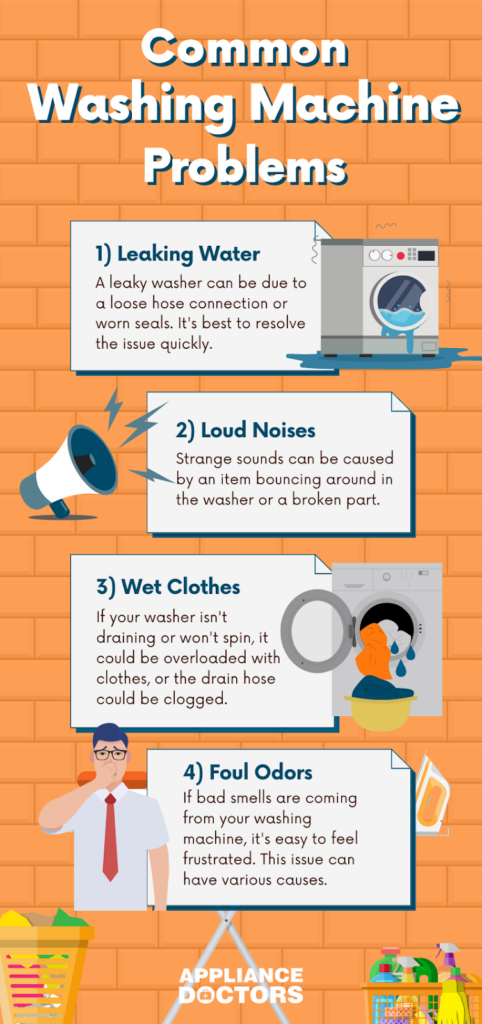
Ever opened your washing machine to a whiff that ruined your entire laundry vibe? Why does your washing machine smell so funky, stinky, or just downright nasty? It’s way more common than you think, and it’s not always about neglected laundry. In fact, that smell creeping out after the cycle ends is often caused by hidden mold, trapped grime, and stagnant water. Let’s unpack the core reasons and how to fix them.
That bad smell inside your washer? It’s a breeding ground for bacteria and mold if moisture hangs around too long. Why does your washing machine smell can be boiled down to a few key offenders: damp clothes left inside, residual soap scum, and clogged drainage traps. Interestingly, these factors team up to create an odor monster few people tackle until it’s overwhelming.
🚀 Quick Fact: Front-loading washers are notorious for smelling due to their airtight doors that trap moisture. You can read more detailed insights at Affresh’s washing machine odor explanation.
What Causes Washing Machines to Develop Odors?
1. Mold and Mildew Growth
Moist, dark, and warm – your washing machine drum is a perfect landing spot for mold spores once the laundry is done. These spores feast on detergent residues and lint left behind, eventually releasing those musty, sour notes you hate.
2. Soap and Detergent Residue
Using too much detergent or the wrong type creates buildup on the drum and seals. Hard water reacts with soaps to leave behind a film that smells and harbors microbes. This residue is a subtle but relentless source of stink.
3. Blocked or Clogged Drainage
Water clogged in hoses or drains often becomes a stinking mini-swamp. This water stagnates and rots inside pipes or rubber gaskets, adding to the pungent odor problem.
How to Identify the Source of Washing Machine Smells
Figuring out exactly why your washing machine smells calls for a bit of detective work. Here’s what to inspect:
- Check the door seal: Sniff around the rubber gasket for mold or trapped debris.
- Smell the detergent drawer: Residue buildup here can get funky quickly.
- Inspect the drain hose: Disconnect and sniff for trapped water or blockages.
- Run a cleaning cycle: Run an empty cycle with washing machine cleaner. If the funk disappears temporarily, residue was likely the culprit.
Practical Solutions: Ending Your Washing Machine Odor Nightmare
Knowing Why Does Your Washing Machine Smell is only half the battle; action is crucial. Here’s your custom roadmap to a fresh machine.
- Daily Maintenance Routine: Leave the washing machine door open after use to let moisture escape and prevent mold.
- Monthly Deep Clean: Use specialized washing machine cleaners or a mixture of vinegar and baking soda in an empty hot cycle.
- Clear the Drain: Regularly check and flush out the drain hose to avoid clog buildup.
- Use the Right Detergent: Opt for high-efficiency (HE) detergents in correct amounts to reduce soap scum.
- Dry Seals and Gasket: Wipe down door seals and detergent drawers after each wash to remove leftover residues.
Common Mistakes That Make Your Washer Smell Worse
People think running hot cycles is enough. Nope. Neglecting the drum’s seal and detergent drawer leaves grime behind no water temperature cleans. Also, overusing fabric softeners clogs the machine’s inner workings with gunk.
Ignoring small leaks or water pooling under the machine can create hidden stink factories. Fix leaks immediately to avoid costly repairs and smelly disasters.
When To Call a Professional
Sometimes, the smell won’t budge no matter how much vinegar or cleaner you pour. Persistent odors may mean a clogged pump or worn parts needing professional attention. Have a certified appliance technician assess:
- Pump and filter clogging or damage
- Faulty drainage valves
- Internal mold infestations unreachable by normal cleaning
Routine professional maintenance every year can prevent these issues. It’s like getting your car tuned up for peak performance — proactive care avoids stink and breakdowns later!
Additional Practical Tips to Keep Your Washing Machine Fresh
- Use washing machine cleaner tablets monthly.
- Run a hot wash cycle empty every two weeks.
- Remove and clean detergent drawer regularly.
- Wipe the drum, door, and seals dry after every use.
- Reduce detergent doses, especially in soft water areas.
💡 Here’s a pro tip: Adding a cup of white vinegar in the rinse cycle neutralizes odors effectively without harsh chemicals. Just avoid mixing vinegar with bleach or detergents.
How Fabric Type Impacts Smell Retention
Heavier fabrics like gym clothes or towels retain more moisture and odors, contributing to a smelly washer environment when left inside. Promptly airing out and washing these helps reduce smells and stops machine odor buildup.
The Role of Water Quality in Washing Machine Smells
Hard water deposits interfere with soap effectiveness, resulting in build-up that traps odor-causing bacteria. Using water softeners or descaling agents improves wash quality and reduces smells.
Preventive Tech Solutions Worth Considering
Newer washing machines incorporate antimicrobial seals and self-clean cycles designed to limit odor growth. If your washer smells consistently despite upkeep, considering an upgrade to machines with advanced hygiene features might save headaches and detergent costs in the long run.
Summary: Why Does Your Washing Machine Smell? It boils down to moisture, residue, and bacteria. Implementing daily habits like airing the drum, using proper detergents, and monthly cleanings are your best defense against funk. Cold hard fact: ignoring these leads directly to stank city. So fight back with smart maintenance and get clothes smelling fresh, not funky.
For expert guidance, check out detailed strategies from GE Appliances washing machine FAQs. Also, learning the science behind washing machine odors at Eco-Gals reveals the causes behind washing machine stink.

Source: inhouseplumbingcompany.com

Source: kiwiservices.com
Frequently Asked Questions
What causes a musty smell in a washing machine?
A musty smell is typically caused by mold and mildew growing in the moist environment created by leftover water, detergent residue, and damp laundry inside the machine, especially around rubber seals.
How often should I clean my washing machine to prevent odors?
It’s best to deep clean your washing machine at least once a month, using washing machine cleaners or a hot cycle with vinegar and baking soda, and maintain daily habits like leaving the door open to air out the drum.
Can using too much detergent make my washing machine smell bad?
Yes. Excess detergent builds up inside the drum and detergent drawer, trapping dirt and bacteria that cause unpleasant smells.
Why does my front-loading washing machine smell worse than a top-loader?
Front-loaders have tight rubber door seals that trap moisture and odors. If not aired out properly after use, they become prime spots for mold and mildew growth.
How can I remove existing mold from the washing machine seal?
Use a cloth soaked in diluted bleach or vinegar to scrub the rubber seal thoroughly. Make sure to dry the area well afterward to prevent regrowth.
Is it normal for a washing machine to smell slightly after use?
A faint smell can occur, but persistent or strong odors usually indicate buildup of mildew or grime needing cleaning.
When should I call a professional about washing machine odors?
If odors persist despite routine cleaning, or you notice leaks and drainage issues, a professional technician can inspect and fix deeper problems such as blocked pumps or worn seals.

Mary Snodgrass oversees all content at WashingMachineCare.com with a keen eye for detail and consumer advocacy. Spending over a decade in appliance retail management, he knows the industry tricks and which brands actually stand the test of time. Mary Snodgrass buying guides help readers navigate confusing spec sheets to find the perfect washer for their household needs and budget.