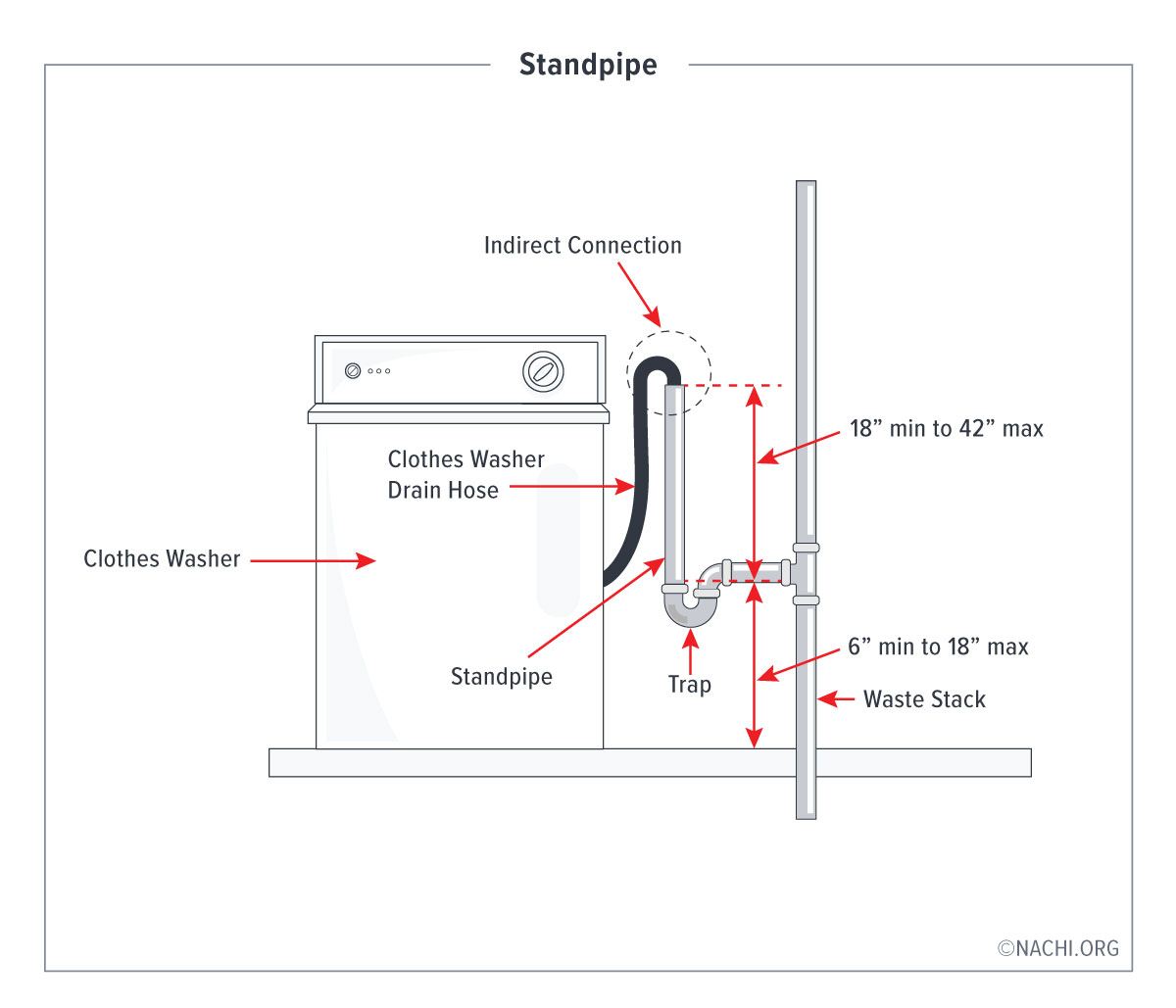
Ever stood puzzled in front of your washing machine setup wondering, what size pipe for washing machine drain actually fits best? It’s not just about grabbing any old pipe. The right size pipe can be a game-changer in preventing backups and ensuring smooth water flow. Let’s cut through the mess and break down the essentials you absolutely need to know to get your washing machine draining properly.
Why Does Pipe Size Matter for Washing Machine Drains?
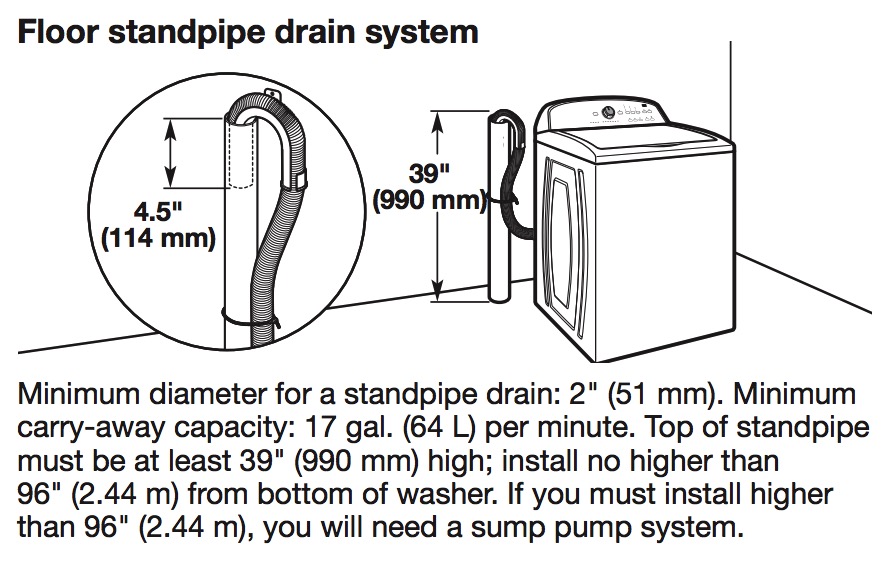
Think about it: a drain pipe that’s too narrow is like a traffic jam for your washing machine’s wastewater—slow, inefficient, and prone to overflow. On the flip side, an oversized pipe doesn’t necessarily improve flow and can complicate your plumbing setup, possibly causing siphoning issues. Getting the size right—usually 2 inches in diameter—is about balance and following code requirements.
Standard Recommendations
- 2-inch diameter pipe is the most commonly recommended size for washing machine drains.
- Minimum length of the standpipe should be between 18 to 30 inches.
- Standpipe diameter is often required to match or exceed the drain hose diameter.
Understanding Plumbing Codes for Washing Machine Drains
The North Carolina Plumbing Code, for instance, mandates a 2-inch minimum pipe diameter for washing machine drains to avoid blockages and ensure smooth drainage. These regulations aren’t just bureaucratic red tape—they’re battle-tested guidelines proven to prevent common drainage nightmares.
When is a Larger Pipe Needed?
Some setups require a 3-inch pipe, especially if combined with other appliances like utility tubs as indicated by the IPC 406.3 standard. But these cases are exceptions, not the rule.
How to Choose the Right Pipe Size
Step 1: Check your washing machine’s discharge hose size.
Step 2: Match or slightly exceed that diameter with your drain pipe.
Step 3: Verify local plumbing codes to confirm the minimum diameter.
Step 4: Consider the standpipe height and installation layout to avoid siphoning and backflow issues.
Installation Tips to Avoid Common Drain Issues
- Ensure the standpipe is at least 18 inches tall but below 30 inches to prevent water spills.
- Use a P-trap beneath the standpipe to stop sewer gases from backing up.
- Avoid sharp bends or long horizontal runs that can trap lint and cause clogs.
- Securely attach the washing machine’s drain hose to the standpipe to prevent leaks.
What Happens if Your Pipe is Too Small?
Using a pipe smaller than 2 inches is a classic rookie move that causes slow draining, backups, unpleasant odors, and frequent clogs. Imagine pouring a gallon of water into a narrow straw—it just can’t keep up with the volume. Fixing this often means cutting into walls or floors to upsize the pipe, which is costly and a hassle.
Maintenance Tips for Washing Machine Drains
Even with the perfect pipe size, neglecting your washing machine drain invites trouble. Here are some 🚀 fast tips:
• Flush the drain with hot water monthly.
• Avoid dumping lint or fabric softener sheets in the drain.
• Check connections for leaks regularly.
• Use mesh lint traps on your washing machine’s drain hose.
DIY or Call a Pro?
Unless you’re confident in your plumbing skills, resizing or installing washing machine drains might be better left to professionals. Small mistakes lead to big messes—think water damage and mold growth. Yet, for straightforward standpipe installations, an enthusiastic DIYer can pull it off with the right tools and info.
Materials for Washing Machine Drain Pipes
- PVC (Polyvinyl Chloride) pipes are most common for their durability and ease of use.
- ABS (Acrylonitrile Butadiene Styrene) is an alternative but may have different code acceptance.
- Ensure all fittings are compatible and leak-proof.
Common Mistakes to Avoid
- Using under-sized pipes contrary to plumbing codes.
- Skipping the P-trap installation.
- Ignoring standpipe height requirements.
- Overlooking pipe slope—should be about 1/4 inch per foot downward.
💡 “Installing the right size pipe can save you headaches and expensive repairs down the line. It’s the first step to washing machine sanity.” — Home Maintenance Expert
Why Venting Matters in Washing Machine Drainage
Venting pipes prevent air pressure buildup that can suck water from your trap—avoiding sewage smells and keeping water flowing smoothly. This is often overlooked but critical when considering pipe size and layout.
Signs Your Washing Machine Drain Pipe is Wrong Sized
- Frequent water backups during cycles.
- Slow draining with gurgling noises.
- Overflow or water pooling near drain area.
- Persistent bad odors from drain hose.
Upgrading Your Washing Machine Drain Pipe
If your setup triggers any of the signs above, it’s time to swap the pipe to the correct size. A 2-inch PVC pipe with proper standpipe height and venting will transform your laundry corner from a disaster to delight.
Environmental and Cost Considerations
Installing the correct pipe size reduces the risk of leaks and prolonged water waste. Also, it cuts down on long-term maintenance costs and water damage repairs. Think of it as preventative savings that add serious value.
Summary Checklist: What Size Pipe For Washing Machine Drain
- Use at least a 2-inch diameter pipe according to plumbing code.
- Standpipe height between 18-30 inches.
- Install P-trap and proper venting.
- Ensure piping slope is adequate (quarter inch per foot).
- Use durable PVC for long-lasting results.
- Regularly maintain and check for leaks or clogs.
You’ve seen how pivotal the right pipe size is for your washing machine drain. It’s not simply about pipe diameter; it’s a whole system dance between code, installation savvy, maintenance, and sometimes a reality check on your plumbing skills. Remember, the surest way to prevent emergencies is sticking with minimum 2-inch drains, proper venting, and thoughtful installation. So, next time you ask, what size pipe for washing machine drain, know you’re about to make a choice that keeps your laundry running smooth for years to come🚀.

Source: diy.stackexchange.com
Source: www.howtolookatahouse.com
Frequently Asked Questions
What is the standard size pipe for a washing machine drain?
The standard pipe size for washing machine drainage is 2 inches in diameter. This size ensures proper flow without clogging according to most plumbing codes.
Can I use a 1.5-inch drain pipe for my washing machine?
Using a 1.5-inch pipe is not recommended as it is usually too small and can cause slow drainage, backups, and possible water damage.
Why do washing machine standpipes need to be at least 18 inches tall?
A standpipe at least 18 inches tall prevents wastewater from splashing out or flooding by giving the water space to rise during draining cycles.
Is venting necessary for washing machine drains?
Yes, venting is essential to prevent airlocks and maintain trap seals, which keeps sewer gases out and water flowing properly.
When should I consider a 3-inch drain pipe for my washing machine?
A 3-inch drain pipe may be needed if the washing machine drain is shared with other large appliances like utility tubs, in line with specific local code requirements.
Can I install the washing machine drain pipe myself?
If you have plumbing experience and understand local codes, you can install the drain pipe yourself. Otherwise, hiring a professional is safest to avoid costly mistakes.
How often should I maintain my washing machine drain?
Monthly maintenance like flushing the drain with hot water and cleaning lint traps helps prevent blockages and prolongs drain pipe life.

Lonnie Clarke believes that taking care of your washing machine starts with what you put into it. As a former textile quality controller, she understands exactly how different fabrics, water temperatures, and detergents interact with your appliance’s drum. She writes our comprehensive guides on preventing mold, choosing the right cycles, and extending the life of your clothes.