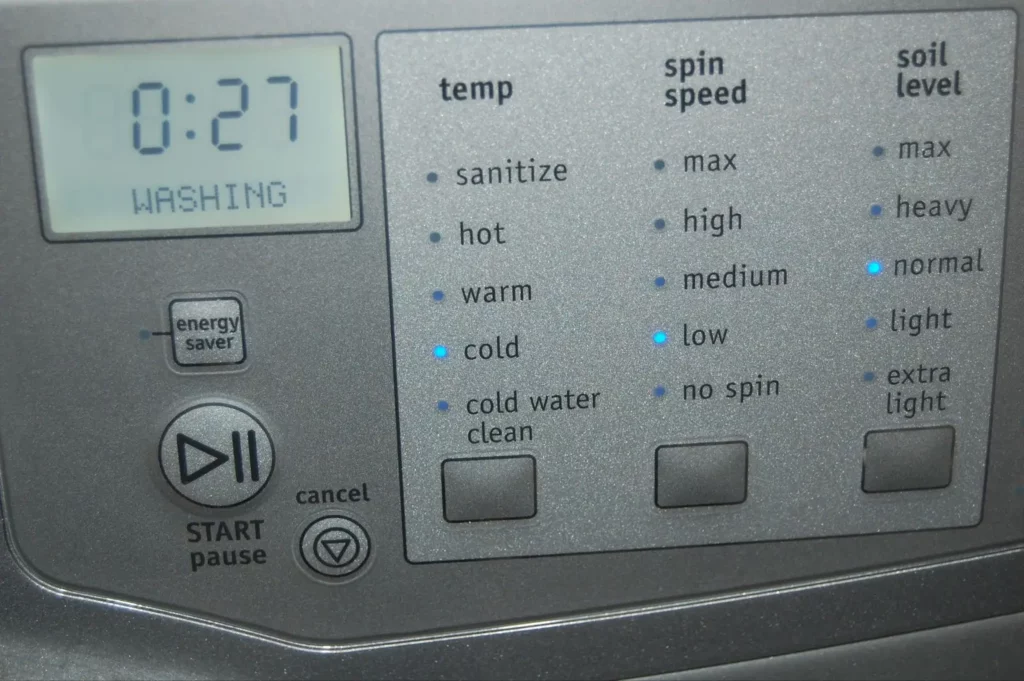
Ever stared at your washing machine’s panel and wondered, “What does soil level mean on washing machine?” It’s one of those settings tucked away that’s actually a powerhouse for your laundry quality. The soil level controls how long and how intensively your washer cleans your clothes based on how dirty (or ‘soiled’) they are. Imagine you’re the guy running a pizza joint and you need to know exactly how long to bake a pizza to get it just right. That’s soil level for your washing machine—it optimizes the cycle’s duration and intensity to tackle stains without wasting precious water and electricity.
Understanding Soil Level: The Basics
Soil level means the amount of dirt, grime, or stains on your clothes before washing. Most modern machines let you set it as light, normal, or heavy. Specialized washing guides emphasize this setting’s importance in tailoring your laundry process.
Why It Matters
- Efficiency: Right soil level means no wasted water or energy.
- Laundry Care: Protects fabrics by avoiding too harsh cycles for lightly soiled clothes.
- Better Cleaning: Ensures heavy stains get enough attention to disappear.
How Soil Level Affects Washing Machine Cycles
Adjusting the soil level changes key factors:
- Wash Time: Longer for heavily soiled loads.
- Water Volume: More water for dirtier clothes.
- Agitation Strength: Increased mechanical action on high soil settings.
- Detergent Use: Higher settings may recommend more detergent.
Setting the Soil Level Correctly
Here’s the fail-proof way to nail it:
- Assess your laundry load: Are the clothes greasy, muddy, or just lightly worn?
- Use ‘light’ for daily wear with minimal dirt.
- Choose ‘normal’ for regular dirty clothes – your average work or schoolwear.
- Select ‘heavy’ when tackling uniforms covered in mud or oil stains.
- Never underestimate the power of soil level; it directly impacts detergent efficiency and fabric care.
Common Soil Level Mistakes To Avoid
- Using high soil on lightly soiled clothes wastes water and energy.
- Setting too low on dirty loads means clothes emerge less clean.
- Ignoring fabric type: delicate fabrics need gentle cycles regardless of soil level.
💬 “I used the heavy soil setting every time thinking it’d clean better, but my clothes were getting worn faster. Switched to normal, and it’s been way better for my shirts!” – Laundry Enthusiast
How Does Soil Level Impact Detergent Amount?
More soil means more detergent is needed to break down oils and grime effectively. Matching soil level with detergent amount prevents residue and maximizes cleaning power. Modern washers often suggest detergent load based on soil setting—but always read your detergent’s instructions.
Is Soil Level the Same Across All Washing Machines?
Not really. Brands and models interpret soil levels differently. Some have extra customizations, including soil level sensors. For a deep dive, check this extensive explanation on soil levels by Dropps.
Pro Tips for Mastering Soil Level Settings
- Always pretreat heavily stained items to reduce needed soil level.
- When in doubt, use normal soil to protect fabrics.
- Combine soil level setting with proper temperature and cycle selections.
- Regularly check the user manual to understand your machine’s specific recommendations.
The Environmental Angle: Soil Level and Water Usage
Savvy laundry lovers know that using a higher soil level means your machine uses more water and power. So, it’s not just about cleaner clothes—it’s about your environmental footprint. Being conscious about soil level in 2026 isn’t just smart, it’s essential for sustainable living.
Maintaining Your Washer’s Soil Level Sensors
If your machine has an automatic soil sensor, keep it clean and free of detergent buildup. Sensor issues can lead to incorrect soil readings and poor wash results.
When to Call a Pro
If your washer doesn’t seem to respect soil level settings or repeatedly ends with poorly cleaned loads, it might be more than just user error. Faulty sensors or control boards require expert diagnostic and repair.
Final Thoughts: What Does Soil Level Mean On Washing Machine Really?
It’s the secret sauce to balancing clean clothes with responsible water and energy use. Don’t settle for default settings. Tailor soil level to your load’s griminess to see the difference. For the laundry warrior who cares about both results and resources, mastering soil level is non-negotiable.
Next time you face your laundry pile, ask yourself: How dirty are these clothes really? Then, adjust the soil level accordingly. It’s like tuning your bike before a ride — it makes all the difference.

Source: www.reddit.com

Source: www.youtube.com
Frequently Asked Questions
What does soil level mean on a washer?
Soil level indicates how dirty your clothes are and determines the wash cycle’s duration, water volume, and agitation intensity to optimize cleaning.
Can I wash heavily soiled clothes on a light soil setting?
It’s not recommended. Light soil settings may not provide enough agitation or time to remove tough stains, leaving clothes less clean.
Does soil level affect water usage?
Yes. Higher soil levels use more water to effectively clean dirtier clothes, increasing both water and energy consumption.
Is the soil level sensor accurate on all washing machines?
Accuracy varies by brand and model. Some machines rely on manual soil settings, while others use sensors that can occasionally require cleaning or repairs.
How to choose the right soil level for mixed loads?
Choose a soil level that matches the dirtiest items or separate loads by soil level for best results and fabric care.

Lonnie Clarke believes that taking care of your washing machine starts with what you put into it. As a former textile quality controller, she understands exactly how different fabrics, water temperatures, and detergents interact with your appliance’s drum. She writes our comprehensive guides on preventing mold, choosing the right cycles, and extending the life of your clothes.