
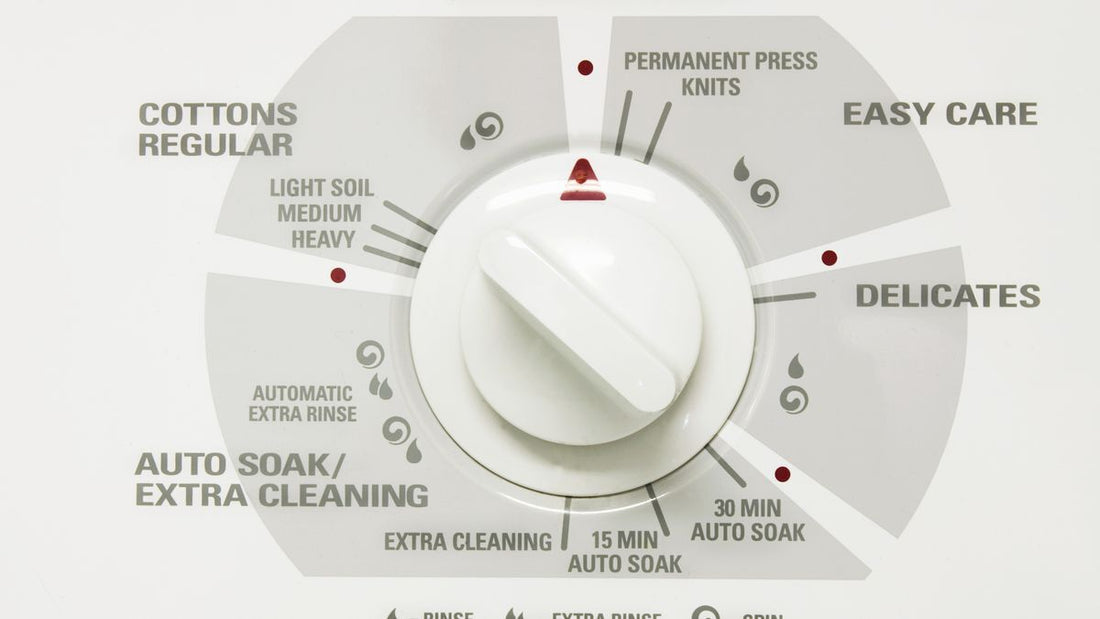
Ever stared at your washing machine’s dial and wondered, “What does delicate mean on a washing machine?” You’re not alone. This cycle isn’t just a button—it’s a lifesaver for your fragile clothes that demand special attention during the wash. Imagine trying to spin a fragile silk scarf or lace dress like your heavy jeans; disaster, right? That’s exactly what the delicate cycle helps you avoid. It uses lower agitation, slower spin speeds, and shorter wash times to protect your finer fabrics from damage, shrinkage, or stretching.
This setting is a common feature in most modern washing machines, but not all delicate cycles are equal. Some washers take it further with additional gentle rinsing or cooler water temps to battle stains without stressing fibers. Not just a soft option, it’s a smart science-backed approach to laundry that matures with you as you discover your clothes’ fabric needs.
Why Use the Delicate Setting?
So, what happens if you ignore delicate cycle advice and go full throttle with normal or heavy wash? Your clothes could wear out faster, colors might fade, or worse, garments might lose their shape. The delicate cycle takes the guesswork out of caring for garments that scream for a gentle touch, such as lace blouses, sheer curtains, or cashmere sweaters.
- Lower speed agitation reduces strain on fibers.
- Shorter wash cycles prevent overwashing.
- Cooler water settings protect dyes and fabrics.
Think of it like giving your fabric a calming spa treatment instead of a rough workout.
How Does It Work Technically?
Washing machines using delicate cycles usually adjust three key factors:
- Agitation: The drum moves more slowly and with less force to avoid harsh rubbing.
- Spin speed: Spins at reduced RPMs to limit stretching and wrinkles.
- Temperature: Typically uses cold or lukewarm water to keep fibers intact.
Keep in mind, different manufacturers might name or design delicate cycles a bit differently, but they aim for the same gentle effect. Modern washers often come with digital prompts or apps that guide you on optimal cycles for your fabric type.
When Should You Use the Delicate Cycle?
The answer’s simple: on anything fragile. Here are some common fabrics and garments going by the delicate cycle rule:
- Silk tops or scarves
- Wool sweaters or knitwear
- Lingerie, bras, and hosiery
- Lace or embroidered items
- Items labeled ‘hand wash only’
Plus, if your garment has sequins, beads, or other embellishments, the delicate cycle is your best friend to prevent fallout.
Tips for Using the Delicate Cycle Properly
Using delicate cycles effectively requires more than just pressing the right button:
- Always sort clothes by color and weight to avoid dye transfer or damage from heavier items.
- Use mild detergents specially formulated for delicate fabrics.
- Place small or intricate items in mesh laundry bags to protect them during the wash.
- Skip fabric softener unless the label permits it; it can sometimes harm delicate fibers.
- Remove clothes promptly to prevent wrinkles and mildew.
Trust me, skipping these tips might cause more harm than the cycle itself.
Common Misconceptions About Delicate Cycles
One big mistake is assuming delicate means ‘less clean.’ Here’s the truth: the delicate cycle balances gentle washing with effective stain removal, especially when combined with right detergents and water temps. Another myth is that delicate is only for tiny items; in reality, it’s about caring for the fabric’s integrity regardless of size.
“I learned the hard way: washing my silk dress in regular mode shrank it overnight. Now, it’s delicate cycle or nothing!” – Sarah M.
For stubborn stains on delicate fabrics, pre-treat carefully or opt for specialized cleaning. Sometimes DIY solutions won’t cut it, and professional cleaning becomes necessary.
How to Troubleshoot Delicate Cycle Issues
Ever noticed your delicate wash still rough? Maybe your washer settings are off, or too many clothes are packed in. Overloading reduces wash effectiveness and exposes fabrics to friction. Sometimes, detergent residues or hard water can make delicate items feel stiff. Rinse settings matter—a longer rinse cycle flushes detergent better.
If your machine’s instructions aren’t crystal clear, refer to trusted [washing machine cycles explained resources](https://www.amh.com/blog/post/washing-machine-cycles-explained%E2%80%94and-how-to-choose-the-right-one!?postId=81e96e0e-453f-4282-b93f-3f9e221d7901) for clarification.
Maintaining Your Washing Machine for Optimal Delicate Care
Even the gentlest cycle can fail if the machine isn’t properly maintained. Clean your washer’s drum and detergent dispensers regularly to prevent buildup that might damage soft fabrics. Running an occasional maintenance wash with machine cleaner helps too. Don’t forget to check and replace worn seals or hoses to avoid leaks that can weaken fabric over time.
Expert Advice: Is Using Delicate Always Necessary?
Not necessarily. Tough fabrics like cotton, denim, or canvas thrive with harsher settings, gaining cleanliness from stronger agitation. But when in doubt, delicate beats risking ruining your favorite pieces. The classy lady in my building once compared it to choosing between a gentle bike ride versus an off-road sprint with fragile tires—you wouldn’t want to wear out those tires prematurely!
Smart washers of 2026 even suggest cycles based on fabric detection, a feature catching on fast.
Alternatives and Enhancements to the Delicate Cycle
Some machines offer “hand wash” or specialized “wool” cycles. These refine delicate washing further by customizing water temp and spin durations. For ultra-sensitive items, cold water hand washing with gentle detergent remains unmatched, albeit less convenient.
Learn more about mastering your machine’s options in this comprehensive [guide to the delicate cycle](https://www.youtube.com/watch?v=A4Y_fNZ64aA&vl=en), showing how to get the best results without guesswork.
🚀 Pro Tips to Protect Your Delicates Every Time
- Turn garments inside out to reduce abrasion.
- Don’t mix zippers or hooks with delicate fabrics.
- Air dry when possible; heat is harsh.
- Use laundry nets for tiny items to keep them safe.
Conclusion
So, what does delicate mean on a washing machine? It’s the gentle champion for your fragile wardrobe, treating delicate fabrics with special care to avoid damage. When you use this cycle wisely, combining gentle agitation, lower spin speeds, and cooler water temps, it’s like giving your clothes a protective hug during wash day. Remember, washing machines in 2026 have evolved, but the core principle holds strong: treat delicates carefully to keep them looking fresh and lasting longer.
Whether it’s silk scarves, wool sweaters, or lace lingerie, the delicate cycle is your safeguard against fabric fatigue and premature wear. Use it wisely, keep your machine clean, and your laundry will thank you.
:max_bytes(150000):strip_icc()/how-to-select-the-correct-cycle-2145866_FINAL-10d1b95640284e0a8d01d4523455c7ee-25c018a4c0304212a13315b7ab181e33.png "What Does Delicate Mean On A Washing Machine 2")
Source: www.thespruce.com
Source: clothes-doctor.com
Frequently Asked Questions
What fabrics should always be washed on the delicate cycle?
Silk, wool, lace, lingerie, and any garments marked ‘hand wash only’ or with fragile embellishments should always use the delicate cycle for protection.
Can I wash delicates with regular clothes?
It’s best to separate delicates from heavy fabrics to avoid friction damage and color transfer. If needed, use mesh laundry bags and wash separately on delicate settings.
Is detergent type important for delicate washes?
Absolutely. Use mild detergents specifically formulated for delicate fabrics to avoid harsh chemicals that can weaken fibers.
Why does the delicate cycle use cold water?
Cold water protects color vibrancy, prevents shrinkage, and reduces stress on fibers that hot water can cause.
What happens if I don’t use the delicate cycle for fragile clothes?
Your clothes risk shrinking, stretching, fabric pilling, and overall reduced lifespan due to harsh agitation and spinning.
Can delicate cycles remove stains effectively?
Yes, especially when paired with appropriate pre-treatment and detergents. But tough stains may require special care or professional cleaning.
How often should I clean my washing machine to maintain delicate cycle performance?
Monthly cleaning of the drum and detergent compartments ensures no residue buildup that can harm delicate clothes during washing.

Mary Snodgrass oversees all content at WashingMachineCare.com with a keen eye for detail and consumer advocacy. Spending over a decade in appliance retail management, he knows the industry tricks and which brands actually stand the test of time. Mary Snodgrass buying guides help readers navigate confusing spec sheets to find the perfect washer for their household needs and budget.