Ever paused just before hitting start, staring at your washing machine and wondered, what does bedding mean on a washing machine? If you’re juggling a heap of heavy bed sheets or thick blankets, this setting isn’t just jargon; it’s your laundry lifesaver. This special cycle is designed specifically for bulky and large bedding fabrics—like comforters, duvets, and mattress covers—that need a bit more TLC than your everyday clothes. Forget the guesswork—let’s unravel it together!
Why Bedding Settings Matter on Washing Machines
If you’ve ever tried squeezing a king-sized duvet into a regular wash cycle, you know it ends in tangles and uneven cleaning. The bedding setting tweaks your machine’s water usage and drum movements to accommodate big, heavy items without damaging them or your washer.
Bulky Items Conflict With Standard Wash Cycles 🤔
Regular cycles can wreak havoc: they under-wet thick textiles, leave soap residue, or strain washers unprepared for size-weight combos. Bedding settings solve this by:
- Adjusting water volume for full soaking
- Reducing spin speed to prevent fabric damage
- Extending wash time for deep cleaning
How the Bedding Cycle Works
Imagine the washing machine’s drum as a giant bathtub tailored to soak and agitate your bed linen gently but thoroughly. Here’s how it plays out:
- Water level: Increased for thorough saturation.
- Agitation: Modified to prevent heavy fabric tangling.
- Spin speed: Reduced to avoid fabric stretching or breaking.
- Wash duration: Often longer to punch through dirt embedded in thick fibers.
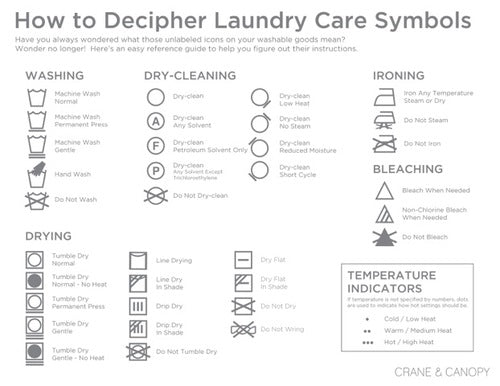
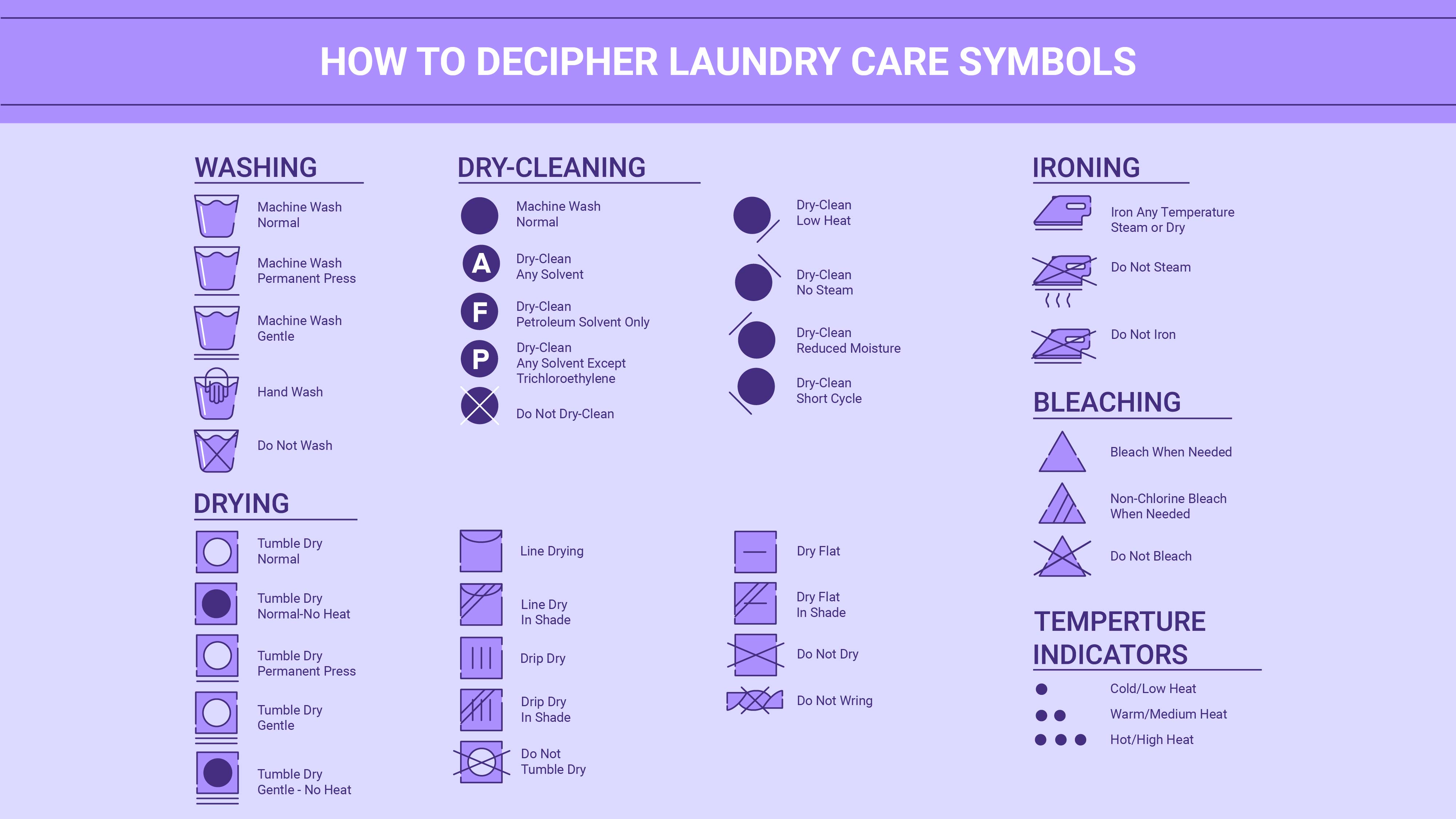
Do note: some brands might label this cycle differently; knowing your washing machine’s manual is golden. Laundry care symbols tips can help decode further instructions on your bedding tags.
What Items Qualify For Bedding Settings?
Not every heavy item belongs here. The bedding cycle is primed for these household giants:
- Comforters and duvets
- Thick blankets
- Duvet covers
- Large bed sheets and pillowcases
- Mattress protectors
Trying to wash small delicates like silk sheets on this cycle? Big no. The mechanical agitation and longer times may destroy fragile fabrics.
When Not to Use Bedding Settings
If your bedding is dry clean only or has delicate embellishments (like lace or sequins), the washing machine is off-limits. Go for specialized cleaning to avoid costly damage.
Tips for Washing Bedding Properly in 2026
- Read care labels before washing, always.
- Use a mild detergent designed for bulky items.
- Distribute weight evenly inside the washer drum.
- Select cold or warm water based on fabric care instructions.
- Use the bedding or bulky cycle for best results.
- Dry bedding flat when possible to maintain fluffiness.
Remember, washing bedding incorrectly wears out your linens faster and could shrink or color-fade fabrics. Equip yourself with these tips for peak fabric health in 2026.
Common Mistakes When Using Bedding Cycle
People often mess it up by:
- Overloading: Your washer spins less effectively if stuffed.
- Using heavy detergents: Can cause buildup in thick materials.
- Choosing wrong spin speeds: Too fast may stretch fibers.
- Ignoring stain pretreatment: Large items need attention before wash.
“I once ruined a $300 comforter by stuffing it into a quick wash. Bedding cycles saved me next time. Learned the hard way!” – Jamie, NYC
How to Balance Bedding Loads for Washing Machines
Think of your washing machine as a seesaw. A single heavyweight on one side makes it tilt, overload, and spin inaccurately. Here’s a quick balancing act:
- Add towels or smaller linens opposite the bulky bedding.
- Don’t exceed the washer’s recommended capacity.
- If uncertain, split heavy bedding into multiple smaller loads.
Professional Help Vs. DIY Bedding Washing
Some bedding is so delicate (down-filled pillows) that even the best bedding cycle can’t save it. Professional cleaners know to use special machines and solvents. But for everyday duvets and sheets? Your washing machine is a champion.
Still unsure? Visit Southern Living’s guide to bulky washing items for visual cues and brand-specific advice.
Energy and Water Efficiency Impact
Using a bedding cycle uses more water and energy than a regular wash. Don’t panic—new machines in 2026 optimize this usage while still giving your big fabrics a proper clean. To stay green, fill your washer to recommended loads and use eco modes when available.
Summary 🚀
So, what does bedding mean on a washing machine? It’s a specialized wash cycle meant to handle your bulky bed linens with care—adjusting water, wash time, and spin to keep fabrics fresh without damage. Follow care instructions and balance your loads to make your bedding last longer and cleaner into 2026.
When you hear ‘bedding’ on your washer panel, think of it as your best buddy for tackling those giant loads — no more shrunken blankets or half-clean comforters. This setting is a must-know for anyone serious about laundry, trust us.
Source: www.sleepjunkie.com
:max_bytes(150000):strip_icc()/how-to-select-the-correct-cycle-2145866_FINAL-10d1b95640284e0a8d01d4523455c7ee-25c018a4c0304212a13315b7ab181e33.png "What Does Bedding Mean On A Washing Machine 3")
Source: www.thespruce.com
Frequently Asked Questions
What fabrics are safe to wash on the bedding cycle?
The bedding cycle is ideal for thick cotton, polyester blends, and synthetic comforters. Avoid silk or dry-clean-only linens.
Can I wash a weighted blanket on the bedding setting?
Weighted blankets can be tricky due to filling materials. Check label instructions; many require gentle cycles or professional cleaning.
How often should I wash bedding items on this cycle?
Experts suggest washing bedding every two weeks with the bedding cycle to maintain freshness and hygiene.
Does using the bedding setting increase water usage?
Yes, bedding cycles typically use more water to immerse large items completely, but modern washers adjust use smartly to save resources.
What if my washing machine doesn’t have a bedding cycle?
Use a gentle or bulky item setting combined with a cold or warm water wash and lower spin speed. Avoid quick washes for bedding.

Lonnie Clarke believes that taking care of your washing machine starts with what you put into it. As a former textile quality controller, she understands exactly how different fabrics, water temperatures, and detergents interact with your appliance’s drum. She writes our comprehensive guides on preventing mold, choosing the right cycles, and extending the life of your clothes.