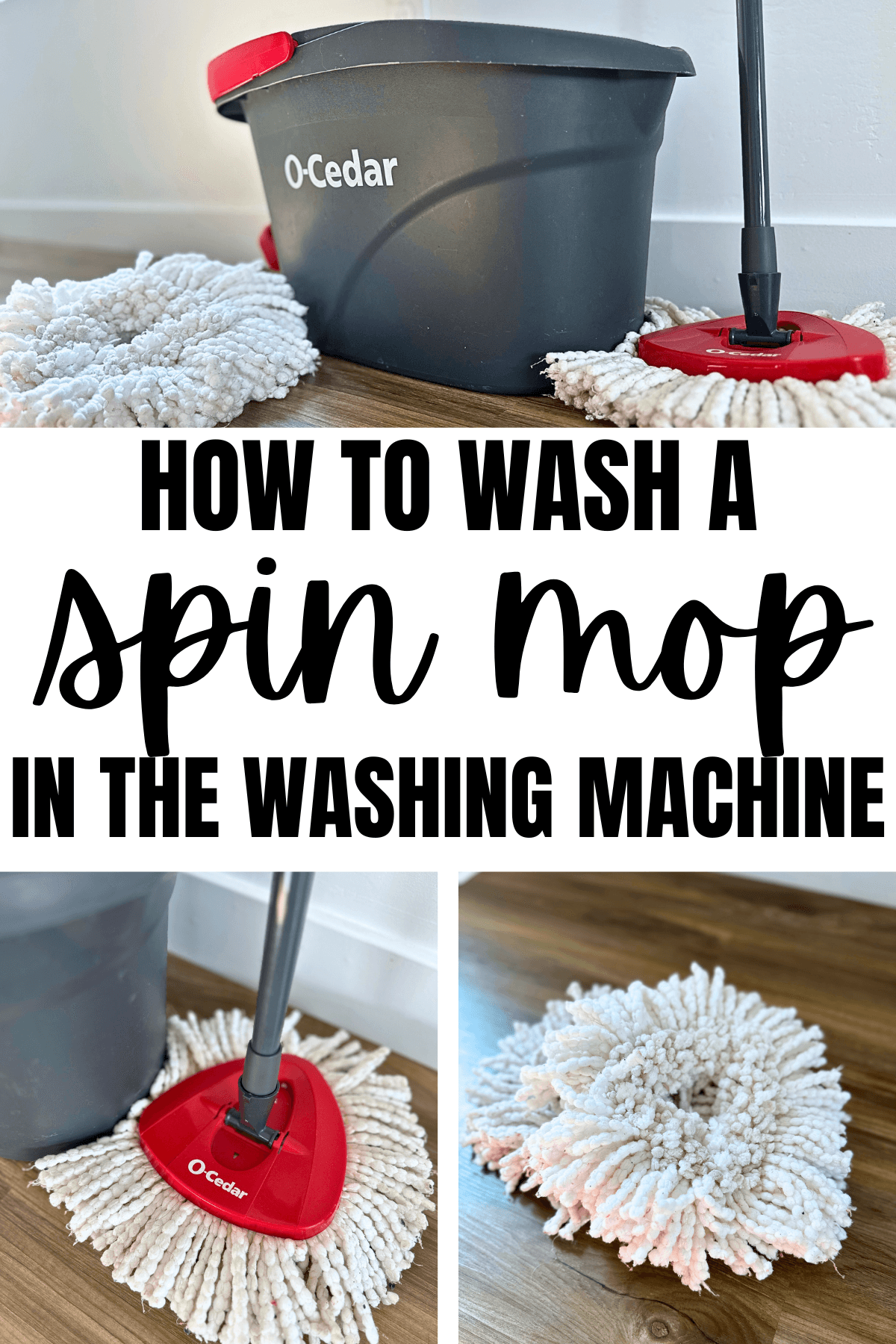
You’ve just grabbed your trusty spin mop after a long day, wondering how to wash spin mop head in washing machine without ruining it. Spoiler alert: it can be done, but not all mop heads are created equal, and you’ve got to treat them right. There’s an art to machine-washing your spin mop head that keeps it fresh and ready for battle against grime. Skip the hand scrubbing marathon!
Why Machine Wash Your Spin Mop Head?
Sure, hand washing works, but why waste time elbow-deep in filthy water? Washing your spin mop head in a washing machine:
- Removes deep-set dirt more thoroughly.
- Sanitizes effectively at higher temperatures.
- Extends the life of your mop head when done properly.
- Freed up your day from tedious manual cleaning.
Getting Ready: What You Need Before Washing
Before you start, here’s a checklist to upgrade your spin mop care routine:
- Remove excess dirt and debris by rinsing under tap water.
- Check manufacturer instructions — some mop heads have specific washing requirements.
- Detangle mop fibers gently to prevent matting.
- Use a mesh laundry bag to protect mop fibers from damage.
- Choose a gentle, bleach-free detergent to avoid fiber wear.
How To Wash Spin Mop Head In Washing Machine: Step-by-Step
- Detach and Rinse: Remove the mop head from the handle and rinse loose dirt off under hot water.
- Pre-Soak: For heavy grime, soak the mop head in warm water with a mild detergent for 10-15 minutes.
- Load Properly: Place the mop head inside a mesh laundry bag to protect both the mop and washing machine drum.
- Settings: Select a gentle cycle with warm water (not hot) — typically 40°C/104°F.
- Use Detergent Wisely: Use a small amount of mild detergent, free from bleach or fabric softeners.
- Drying: Air dry only. Avoid the dryer which can damage fibers and cause shrinkage.
Expert Tip ⭐
“Everyone underestimates the power of the mesh laundry bag! It cushions the mop head, preventing the fibers from tangling and pulling apart during the spin cycle.”
Choosing The Right Washing Machine Settings For Your Spin Mop Head
- Temperature: Keep it moderate — hot water can deteriorate microfiber strands.
- Spin Speed: Low or medium spin to avoid twisting or damaging fibers.
- Cycle Type: Prefer ‘delicate’ or ‘hand wash’ cycles.
What To Avoid When Washing Your Spin Mop Head In A Machine
Beware of some critical mistakes that’ll wreck your mop faster than a dropped pizza box. Don’t:
- Use bleach or harsh chemicals — they degrade material quickly.
- Throw your mop head in with clothes — lint and dirt spread everywhere.
- Tumble dry — high heat will ruin the mop’s absorbency and shape.
- Forget to rinse pre-wash for sticky debris and stubborn dirt.
- Wash too frequently without letting mop dry properly, inviting mold growth.
How Often Should You Wash Your Spin Mop Head?
Frequency depends on your cleaning habits and the mess it tackles. Household use:
- Deep wash every 1-2 weeks.
- Rinse after each use.
- Always air dry completely to prevent odor and bacterial buildup.
Dealing with Stubborn Odors and Stains
Sometimes even a machine wash isn’t enough to beat that funky mop smell or stains. Here’s a hack:
- Mix white vinegar and baking soda in warm water and soak the mop head for 30 minutes before washing.
- Avoid fabric softener—they lock in smells and reduce cleaning power.
- Sun-dry the mop head for natural deodorizing (if weather permits).
When To Replace Your Spin Mop Head
Even the best maintenance won’t keep your mop forever. Signs of retirement include:
- Frayed or missing fibers.
- Persistent odors after washing.
- Reduced absorbency or cleaning performance.
Safe Washing Practices & Precautions
Spin mop heads can be surprisingly low-maintenance but keep these safety tips in mind:
- Always unplug and remove synthetic mop heads from the handle before washing.
- Check for colorfastness to prevent color bleed onto clothes and machine drum.
- Remove bulky dirt or pet hair manually; it prevents lint build-up inside your washer.
Alternative Cleaning Methods for Spin Mop Heads
Not a fan of machine washing? Options include:
- Hand soaking in hot water and detergent.
- Using a disinfectant spray and rinsing thoroughly.
- Professional cleaning services for commercial mop heads.
Useful Resources & Links
If you want to see a demonstration or get other useful tips on spin mop care, this TikTok video about washing and reusing O-Cedar mop heads offers practical insights from real users.
Curious about mop head compatibility with other washing machine items? A community discussion sheds light on washing routines and mixing items safely.
Wrapping Up: Long-Term Spin Mop Care
To conclude, mastering how to wash spin mop head in washing machine means picking the right detergent, careful loading, and smart drying strategies. Armed with these tips, your mop will stay fresher and perform better longer. Remember that the last 100 words here seal the deal: consistent, correct washing prolongs mop life and keeps your floors dazzling.

Source: torerageorge.com

Source: torerageorge.com
Frequently Asked Questions
Can I wash any spin mop head in the washing machine?
Not all mop heads are machine washable. Always check the manufacturer’s label to avoid damage. Microfiber heads often are safe for machine washing.
Is it safe to use bleach when washing mop heads?
Bleach can degrade mop fibers and should be avoided unless specifically recommended. Opt for mild detergents instead.
How do I prevent my spin mop head from smelling bad?
Rinse after each use, machine wash regularly, dry completely in air, and avoid fabric softeners which trap odors.
Can I wash the spin mop head with other laundry?
It’s best to wash mop heads separately or in a mesh bag to prevent lint transfer and protect delicate fabrics.
How long does a spin mop head last?
With proper care, a spin mop head typically lasts 6 to 12 months, depending on usage frequency and maintenance.
What temperature should I set on my washing machine?
Use warm water around 40°C (104°F). Hot water may damage fibers over time.
Can I dry my spin mop head in the dryer?
Avoid tumble drying. Air-drying is essential to maintain fiber integrity and prevent shrinkage.

Mary Snodgrass oversees all content at WashingMachineCare.com with a keen eye for detail and consumer advocacy. Spending over a decade in appliance retail management, he knows the industry tricks and which brands actually stand the test of time. Mary Snodgrass buying guides help readers navigate confusing spec sheets to find the perfect washer for their household needs and budget.