Ever stood there staring at your washing machine, wondering how much hot water does a washing machine use really? It’s not just idle curiosity—this question digs into your utility bills and the planet’s health. Let’s unpack this mess — because wasting hot water is like flushing cash down the drain! In 2026, with energy prices still climbing and water becoming precious, grasping your washer’s hot water appetite is more than wise — it’s essential. 🚀
Quick Facts About Washing Machine Hot Water Use
- Average hot water per load: 10 to 20 gallons
- Energy consumption surges with hot water use
- Modern washers mix water temperature to cut costs
- Cold water wash can reduce energy by up to 90%
Understanding Washing Machine Water and Energy Dynamics
First off, not all washing machines sip hot water equally. Your average top-load machine typically gulps 20 gallons of water per load, but only a fraction is hot. Front-loaders are smarter—they use less water overall. Hot water is the troublemaker—it multiplies energy use because heating water chews up most of the electricity your washer uses. Think about a guy on his second cup at the coffee shop. He’s aware hot water consumption jacks up bills just like the barista’s new fancypants espresso machine jacks coffee prices.
How Water Temperature Affects Usage
- Hot water cycles: Consume significantly more energy due to water heating.
- Warm water cycles: Moderate energy use, still uses hot water but mixed with cold.
- Cold water cycles: Use no heated water—massive energy and cost savings.
How Much Hot Water Does A Washing Machine Use Per Load?
The typical hot water usage varies based on machine type and cycle choice. Modern front-loader washers often use 10 to 15 gallons of hot water per laundry load, while older top-loaders might use 20 or more gallons per load. The percentages of hot water in those gallons also depend on temperature settings chosen by the user.
Efficiency Differences in Washer Types
| Washer Type | Average Hot Water Use (Gallons) | Typical Cycle Duration (Minutes) |
|---|---|---|
| Front-loaders | 10-15 | 30-45 |
| Top-loaders | 15-25 | 40-50 |
| High-efficiency (HE) washers | 7-12 | 35-40 |
These numbers might seem technical, but they directly impact your monthly water and energy bill. Wasting hot water in laundry adds layers of cost and environmental strain. It’s like glaring at your electric meter spinning faster than a soccer mom’s minivan on race day.
Water Heating Impact on Energy Bills
Water heating is no joke for energy consumption. According to HowStuffWorks, heating water accounts for up to 90% of the energy it takes to run a washing machine’s cycle. If your washer is on a hot water cycle for just one load a day, that will significantly bump your monthly utility bills. Cold water washes? Barely touch your energy budget.
Saving Hot Water Without Skimping on Clean
Want to keep your clothes fresh but keep hot water use down? Here’s where smart laundry hacks jump in:
- Use cold water cycles for lightly soiled clothes.
- Choose energy-efficient washers built after 2018.
- Optimize load sizes — a full load uses water more efficiently.
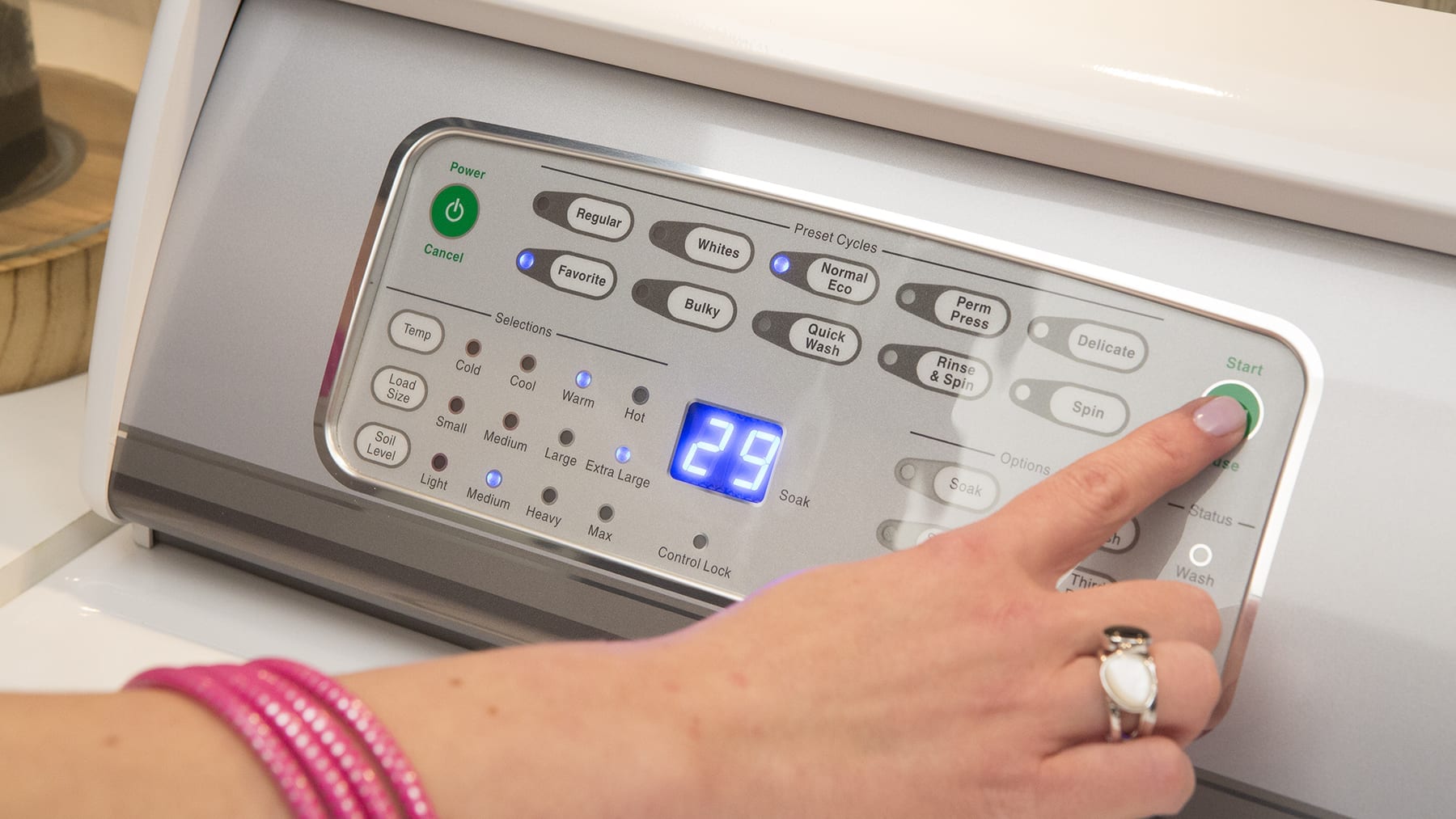
- Lower water temperature settings when fabric care permits.
- Consider eco or energy-saving modes available on modern machines.
These are not just lazy savings; they are smart, balance-driven decisions to slash water and energy bills. Plus, a cool wash usually keeps colors brighter and clothes from shrinking — practical and eco-friendly at once! 🌱
Practical Steps to Measure and Reduce Hot Water Usage
- Check your machine’s manual for the hot water consumption specs per cycle.
- Use a flow meter to measure actual water input during a wash.
- Adjust settings and retest to quantify savings.
- Replace old machines with ENERGY STAR rated washers if feasible.
- Educate your household on water-conscious laundry habits.
Energy Star and Washer Efficiency
Appliances certified by ENERGY STAR typically use 25%-50% less energy and water than conventional washers. Prioritizing these can make a noticeable difference by 2026.
Common Misconceptions About Hot Water Use in Washers
Many folks think hot water is essential for all laundry tasks—that’s a myth. Hot water mainly targets heavy stains and sanitization. For everyday clothes, cold or warm water works just fine. Plus, detergents in 2026 are highly effective in cooler water. So, crank down that dial, save cash, and still rock clean threads!
When Hot Water is Actually Necessary
- Sanitizing dreadful gym clothes or diapers.
- Removing oily or greasy stains that resist cold water detergents.
- Laundering heavily soiled items from outdoor work.
Even so, consider shorter hot water cycles or mixing warm water to soften energy demand without losing cleaning power.
How Much Hot Water Does A Washing Machine Use in Real Households?
Picture Janet, a busy mom in Phoenix. She installed a HE front-loader in 2024. Her heating bills dropped 20%, and her water use shrank dramatically because her machine uses far less hot water. She’s now laughing at her old wallet-burning washer. Meanwhile, Mark in Boston clings to his 15-year-old top-loader, burning hot water on every cycle, dismayed when utility bills spike during winter months…
These contrasting stories spell out the importance of awareness and wise choices in wash water consumption. Imagine savings stacking up over months and years — now that hits the bank sweet spot. 💡
For more detailed insights on precise water usage per cycle and type, you can explore the expert analysis from Consumer Reports on washing machine water use.
Wrapping It Up: How Much Hot Water Does A Washing Machine Use?
The answer isn’t a single number but a range shaped by machine type, cycle setting, and laundry habits. Front-loaders and high-efficiency models use less hot water, ranging roughly 7 to 15 gallons per load. Top-loaders tend toward the higher end, reaching 20 gallons or more. Reducing reliance on hot water cycles can save energy, reduce bills, and shrink your environmental footprint in 2026. Never underestimate the power of cold and warm water washes! They can clean well if used properly, helping you dodge unnecessary hot water use. 🚿
Next time laundry day rolls around, ask yourself: do I really need that hot water? The planet, your wallet, and your machines will thank you.

Source: cornerstonebmsr.wixsite.com

Source: furniturevilla.com
Source: speedqueen.com
Frequently Asked Questions
How much hot water does a standard washing machine use per load?
Standard washing machines typically use between 10 and 20 gallons of hot water per load, depending largely on the machine’s type and cycle selected.
Can washing clothes in cold water really clean effectively?
Yes! Modern detergents in 2026 are designed to work well in cold water, making cold cycles efficient for everyday clothes while saving energy and reducing hot water use.
Does a front-loading washing machine use less hot water than a top-loader?
Yes, front-loaders usually use less water overall, including hot water, because of their design and efficient washing action.
How can I reduce hot water use without compromising laundry quality?
Use cold or warm water cycles for lightly soiled laundry, select energy-saving modes, wash full loads, and use highly effective detergents formulated for lower temperatures.
When is hot water really needed in laundry cycles?
Hot water is best for sanitizing items, heavily soiled clothes, oily stains, and certain fabrics requiring high-temperature wash for hygiene purposes.
Does using hot water significantly raise my energy bill?
Yes, heating water is responsible for a large chunk of washer energy use — up to 90%. Reducing hot water washes lowers your energy consumption and costs dramatically.

With over 15 years of hands-on experience in the appliance repair industry, Erick Jackson is WashingMachineCare’s resident gearhead. He holds multiple manufacturer certifications and specializes in breaking down complex mechanical failures into easy, step-by-step DIY fixes. When he’s not covered in grease, Erick Jackson enjoys restoring vintage washing machines to their former glory.