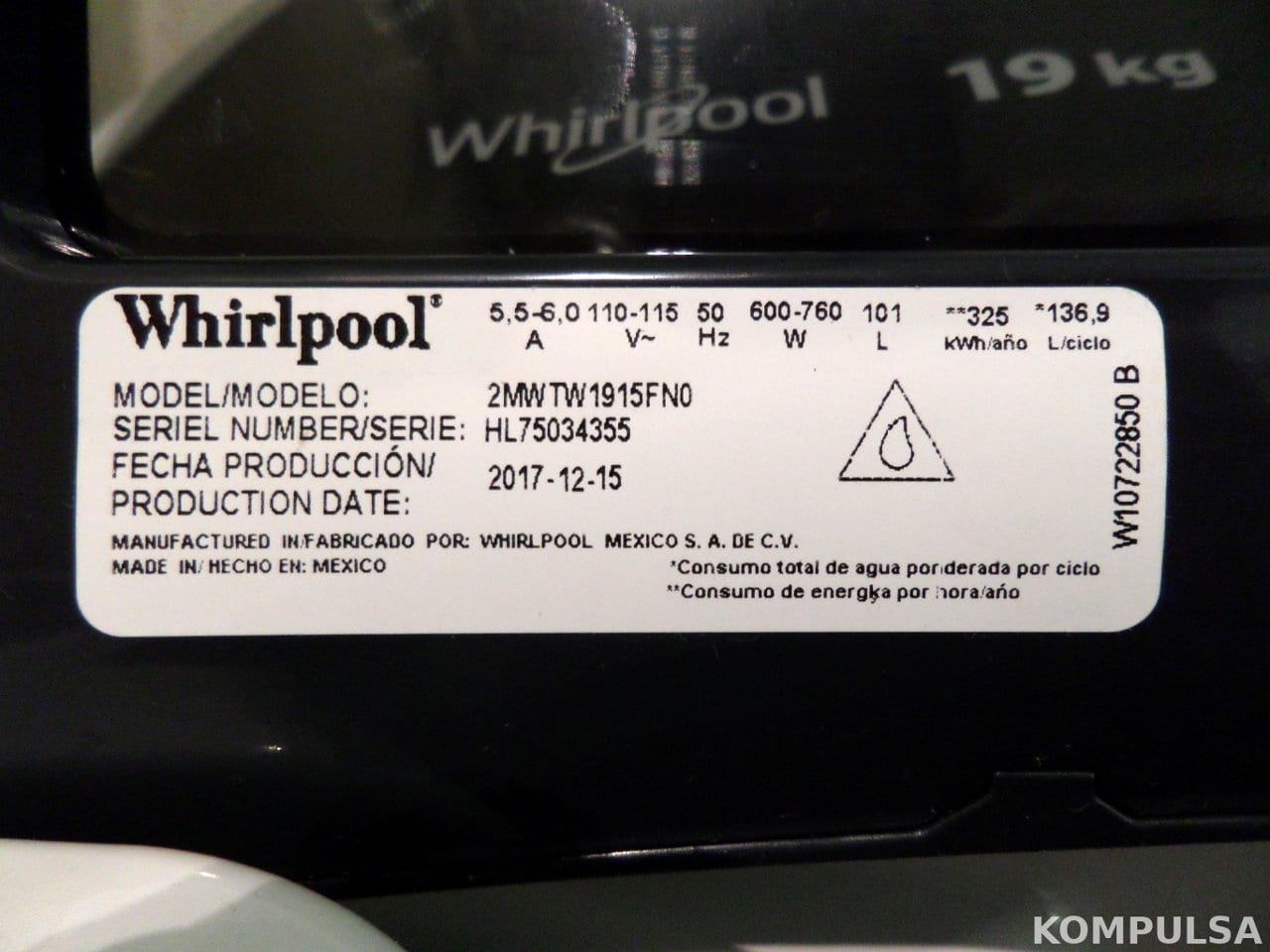
Ever wondered how many watts are in a washing machine? It’s not just about the gadget doing its job; it’s about understanding your electricity bill and making smarter choices. Depending on the model and how you use it, a washing machine can gulp anywhere from 400 to 2000 watts while in operation. That’s a massive range, right? But why such a gap? It boils down to size, technology, and especially the washing cycle’s intensity. Physically, think of it like a car; a sports car drinks more fuel at full throttle than a compact cruising steadily.
What Determines Washing Machine Wattage?
Power ratings aren’t just numbers slapped on appliances. For washing machines, they hinge on critical factors. Key culprits driving wattage include motor size, heating element presence, spin speed, and cycle duration. Front loaders generally sip less power than top loaders, and today’s inverter motors are a breath of fresh air in energy conservation.
- Motor power (usually 400-1300 W)
- Heating element wattage (up to 2000 W for hot washes)
- Spin cycle intensity
- Machine size and capacity
Energy Consumption: Cold vs. Hot Washes
Believe it or not, the heating element pulls the biggest chunk of wattage in your washing routine. Running hot water cycles can double or triple energy use compared to cold water washes. Many users are shocked when they realize just how much energy the heating consumes. So, if you’re curious how many watts are in a washing machine, remember it’s about more than just the motor. Hot water means higher watts and bigger bills.
Explore a detailed energy breakdown from industry experts on Nexamp’s energy usage guide for a closer comparison.
How To Calculate Your Washing Machine’s Energy Use
Plug in the wattage, multiply by hours you run the machine, and divide by 1000 to get kilowatt-hours (kWh). Your electricity provider charges per kWh. Simple math, but wildly practical:
- Find the wattage on your washing machine label.
- Multiply wattage by hours of use (e.g., 1000 W 1 hour = 1000 Wh).
- Convert to kWh by dividing by 1000 (1000 Wh ÷ 1000 = 1 kWh).
- Multiply by your electricity rate to estimate cost.
Choosing Energy-Efficient Washing Machines in 2026
Energy Star-rated machines dominate today’s market. Why settle for power guzzlers when you can go smart? Look for models with inverter motors, eco-wash options, and adaptable spin speeds. You’ll notice the difference fast, especially if you do laundry often. A typical eco model may use less than 500 watts in operation — less than half of older machines.
Detailed specs and user reviews can be found on trusted sites like EnergySage’s power consumption analysis that help you navigate options effortlessly.
Common Mistakes Increasing Washing Machine Wattage
- Running half loads unnecessarily wastes power and water.
- Choosing hot water cycles without cause dramatically ups watts.
- Skipping regular maintenance strains the motor and can increase energy use.
Maintain Your Machine to Manage Watts
Maintenance isn’t just fluff. From clearing filters to checking hoses, proper upkeep keeps wattage within an efficient range. A neglected machine struggles, working harder and consuming more amps. If unsure, hire a professional. Skipping this can wreck your budget and the environment.
Some tips from Vtoman’s home appliance advice include performing monthly clean cycles and inspecting door seals for efficiency.
Understanding Wattage for Different Wash Cycles
Every cycle has its watt appetite. For instance:
- • Quick wash cycles sip less power but demand more intense spinning, slightly raising wattage.
• Heavy duty cycles with hot water hit peak watt levels due to longer heating times.
• Delicates cycles are lower wattage because of gentler mechanics and often cold water use.
Future Trends Impacting Washing Machine Wattage
As we hit 2026, expect smarter tech that shrinks wattage. Connected machines analyze laundry loads, water temperature preferences, and adapt spin speed to trim unnecessary energy waste. Some can even schedule cycles when electricity rates dip, saving you real cash.
Summary: How Many Watts Are In A Washing Machine in 2026?
Wrapping it up, knowing how many watts are in a washing machine isn’t just trivia; it’s a step towards controlling your energy footprint and bills. Machines vary widely, but cutting edge models typically operate between 400 to 1300 watts for washing, peaking higher with heating. Smart choices in cycles and maintenance can slash this dramatically.
💬 “I cut my energy bill by 20% just by switching to a cold wash cycle and keeping my washing machine well maintained. It’s a game-changer.” – Jamie, a home energy enthusiast
 "How Many Watts Are In A Washing Machine 2")
Source: www.energysage.com

Source: www.youtube.com
Frequently Asked Questions
How many watts does a washing machine typically use?
Most washing machines use between 400 and 1300 watts when running. Models with built-in water heaters can draw up to 2000 watts during hot cycles.
Does heating water increase a washing machine’s energy consumption?
Yes, significantly. The heating element uses considerably more power than the motor, often doubling or tripling total wattage consumption compared to cold water cycles.
Can I lower my washing machine’s wattage consumption?
Definitely. Using cold water cycles, running full loads, and selecting energy-efficient models can reduce power consumption drastically.
How do I calculate the electricity cost of running my washing machine?
Multiply the machine’s wattage by the hours of operation, convert to kilowatt-hours, then multiply by your electricity rate. For example, a 1000-watt machine running 1 hour equals 1 kWh.
What features should I look for in an energy-efficient washing machine?
Look for Energy Star-rated machines with inverter motors, eco modes, adjustable spin speeds, and sensors that optimize water and power usage per load.
Is maintenance important for managing power usage?
Yes, maintaining your machine keeps it running efficiently, preventing excess energy use caused by motor strain or clogged components.
Are there any new technologies that help reduce watts in washing machines?
Yes, smart washing machines that optimize cycle settings and schedule washes during low electricity rate periods help reduce overall wattage consumption.

Lonnie Clarke believes that taking care of your washing machine starts with what you put into it. As a former textile quality controller, she understands exactly how different fabrics, water temperatures, and detergents interact with your appliance’s drum. She writes our comprehensive guides on preventing mold, choosing the right cycles, and extending the life of your clothes.