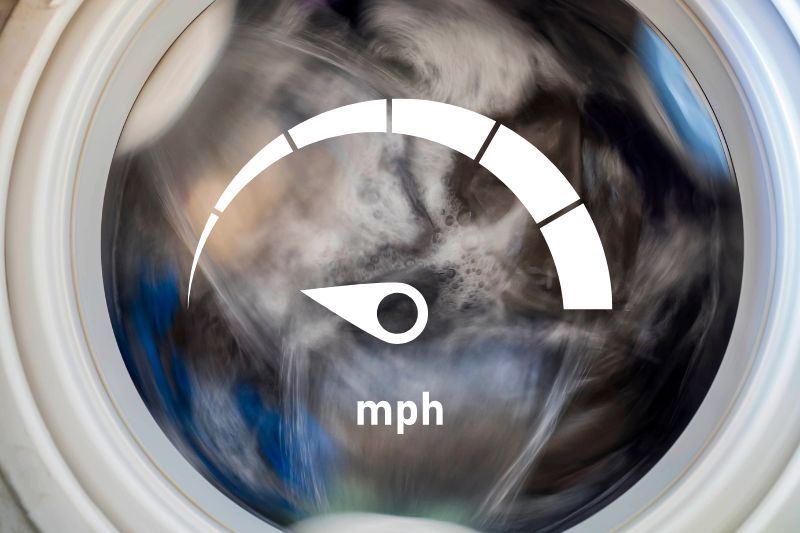
Ever wondered how fast does a washing machine spin mph? Let’s cut through the clutter. Washing machines spin incredibly fast—so fast that it’d surprise most homeowners. Imagine spinning around on a merry-go-round at full tilt—only this ride happens inside the drum of your washer at speeds topping 1000 revolutions per minute (rpm). But how does this rpm translate into miles per hour? Crazy as it sounds, your washing machine’s drum whirls at speeds equivalent to a car zooming down a street! 🚀 Understanding this speed impacts more than just curiosity; it affects how well your clothes dry and how much wear they get. We’re diving into the nitty-gritty of converting rotational speed to actual mph, plus the ripple effects on laundry quality and fabric lifespan.
What Does Washing Machine Spin Speed Mean?
Spin speed measures how many rotations the drum completes per minute; the higher the rpm, the faster the clothes dry post-wash. But rpm alone doesn’t tell the whole story. Converting rpm to miles per hour helps grasp the sheer velocity involved, putting that washing cycle into perspective. In short, knowing your washer’s spin mph helps you judge machine performance and clothing impact precisely.
How To Convert Rpm to Mph
The conversion isn’t rocket science but requires understanding the drum’s diameter. The formula: Speed (mph) = (Diameter (inches) x Pi x Rpm x 60) / (63360), where 63360 converts inches per hour into miles per hour.
For example, a 20-inch drum spinning at 1200 rpm: (20 x 3.14 x 1200 x 60) / 63360 ≈ 71 mph. That’s surprisingly swift! To put it simply, your clothes inside are flying around at highway speeds every spin cycle.
Why Spin Speed Matters
High spin speeds mean less water post-wash. That’s fewer minutes in the dryer, saving you cash and protecting your fabrics 🔢. But spin too fast for delicate fabrics, and you risk damaging fibers and shrinking — a balance is key to winning your laundry battle.
Impact on Fabric Care and Energy Efficiency
- Faster spin = Drier clothes = Less drying time.
- Less energy used in tumble drying = Lower utility bills.
- Risk: Delicate or mixed fabrics may degrade faster.
Types of Washing Machines and Their Spin Speeds
Front-load washers generally spin faster than top-load models, often reaching speeds up to 1400 rpm. Some high-efficiency machines even allow users to customize spin speed based on load and fabric type. For deep dive insights on spin speed differences, check the expert guide on washing machine spin speed importance and types.
Top-Load Washers
Usually have slower spin speeds around 700 to 1000 rpm, meaning clothes retain more moisture after the cycle.
Front-Load Washers
Spin between 1000 to 1400 rpm, removing more water for quicker drying.
Measuring Spin Speed Safely at Home
Interested in measuring your own washer’s spin mph? Here are practical steps:
- Identify your washer’s drum diameter (check user manual or measure directly).
- Locate the max spin speed (usually labeled on machine).
- Use the rpm-to-mph formula for estimation.
- If you want precision, tools like digital tachometers can measure rpm directly.
DIY vs. Professional Maintenance Tips
Safe to DIY checking spin speed occasionally, but persistent vibrations or off-balance spinning calls for professional maintenance. Skilled technicians can recalibrate or repair components, keeping your machine optimal year-round.
How Spin Speed Affects Washing Quality and Household Costs
Too slow a spin leaves clothes soggy — inviting extra drying, mildew risk, and wear. Too fast and delicate fabrics pay the price. Balancing spin speed optimizes water extraction, lowers energy use, and extends garment life. Want details? This washing machine spin speed guide explores these practical aspects well.
Energy and Water Savings
- Efficient spinning cuts dryer time by 30-50%.
- Less detergent and water needed when spin extracts more moisture.
Protecting Your Wardrobe
Use slower spin for jeans, delicates, or wool; higher speeds suit cottons or towels.
Common Misconceptions and Mistakes About Spin Speed
- “Higher spin is always better” – No. Fabric type matters.
- “Max spin speed is safe for all loads” – Misleading.
- “Spin speed affects wash cleanliness” – Mainly impacts water removal, not washing itself.
How to Choose the Right Spin Speed
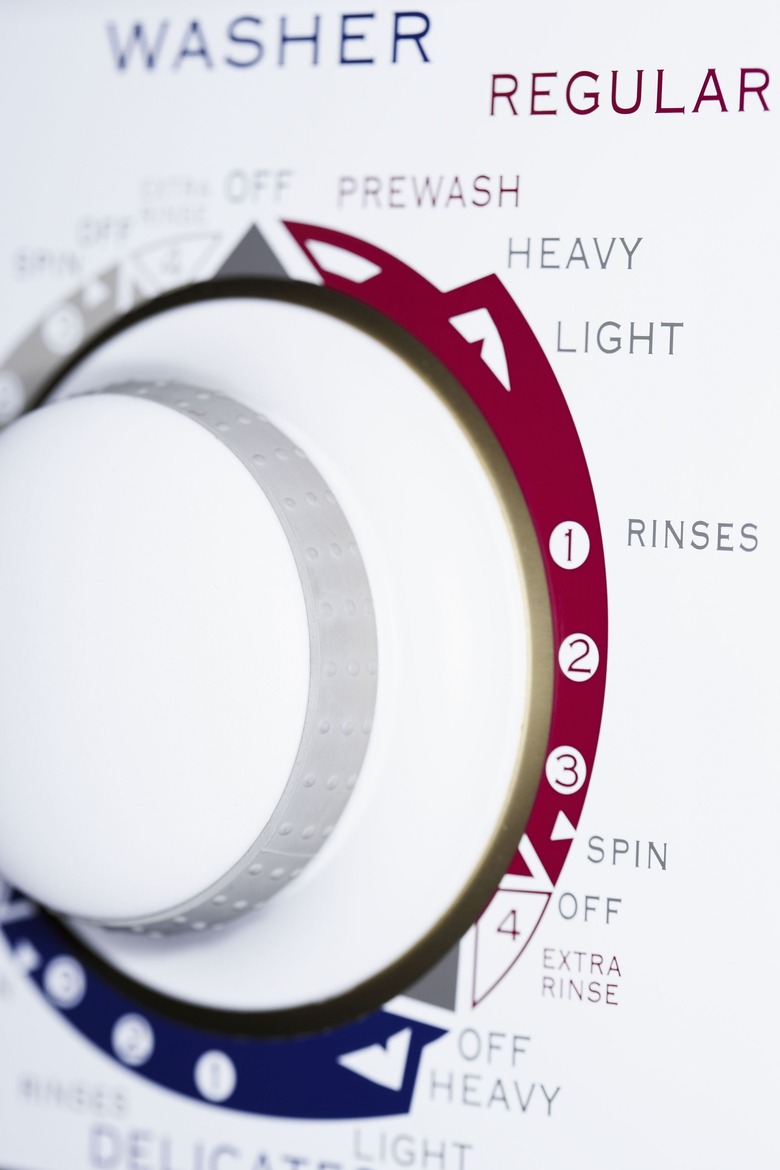
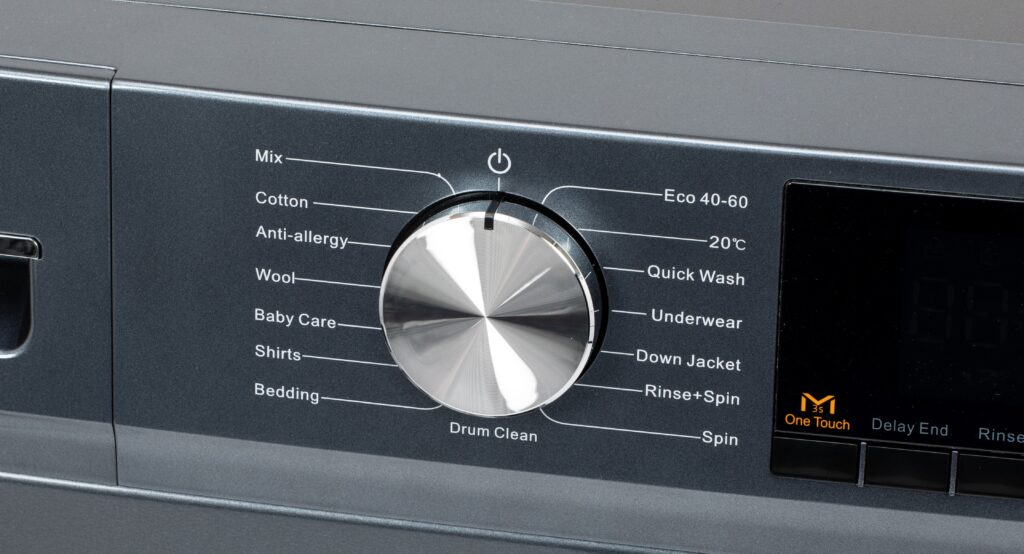
Match your load with the correct speed. Use machine presets or manual controls accordingly.
Maintaining Optimal Spin Speed for Washing Machine Health
Regular maintenance ensures spin cycles stay consistent. Avoid overloading, clean filters, check suspension springs, and keep your drum balanced to prevent wear and tear.
- Inspect drum balance every 6 months.
- Clean lint filter routinely.
- Schedule professional servicing if vibrations increase.
What Happens When Spin Speed Malfunctions?
Uneven spinning can cause loud noises, shaking, or incomplete water removal. It signals worn parts or imbalance. Best to address promptly to avoid higher repair costs and downtime.
Troubleshooting Tips
First, check load distribution. Then verify machine leveling, and clean any obstructions. Persistent problems warrant a technician.
“A washing machine spinning wildly off-balance isn’t just annoying; it’s a ticking time bomb for your appliance’s lifespan.” — Laundry Care Expert
Spin Speed in Modern Washing Machines – What To Expect In 2026
2026 brings smarter machines adapting spin speeds dynamically based on sensors detecting fabric type and load size. These models optimize wear and energy more than ever before.
Improved technology means manufacturers focus on balancing faster spin cycles with gentle garment handling, a true win-win for consumers.
Conclusion
So, how fast does a washing machine spin mph? It can reach speeds equivalent to driving 70+ mph inside the drum! Recognizing this velocity helps you understand drying efficiency, fabric care, and machine maintenance better. Use the conversion formula to estimate your washer’s speed, match spin rates with fabric types, and perform regular upkeep. Following these tips prevents damage and keeps your laundry routine sharp in 2026 and beyond. Your garments and electricity bill will thank you. 🚀💬
Source: www.hunker.com
Source: homefeeling.co.uk
Frequently Asked Questions
What is the average spin speed of most washing machines in mph?
Typical household machines spin between 40 to 75 mph based on drum size and rpm, with higher-end front-load models reaching the top range.
Does a higher spin speed always mean better washing?
No, higher spin speeds help remove water but don’t affect cleaning efficiency directly. Also, delicate fabrics can be damaged by excessive speeds.
How can I measure my washing machine’s spin speed at home?
Check the drum diameter and rpm rating, then apply the formula: (Diameter x Pi x Rpm x 60) / 63360 to convert to mph. Digital tools like tachometers offer precision.
Are there risks to using the maximum spin speed settings?
Yes, using max spin speed on delicate or unbalanced loads may damage fabrics and stress the machine parts over time, possibly leading to malfunctions.
Can adjusting spin speed save energy?
Absolutely. Faster spin cycles reduce drying time and energy usage, but balance it against fabric care needs for optimal savings.

Mary Snodgrass oversees all content at WashingMachineCare.com with a keen eye for detail and consumer advocacy. Spending over a decade in appliance retail management, he knows the industry tricks and which brands actually stand the test of time. Mary Snodgrass buying guides help readers navigate confusing spec sheets to find the perfect washer for their household needs and budget.