Ever wondered how fast does a washing machine spin and why it even matters? When your clothes start spinning at dizzying speeds, it’s not just a show—it’s a serious game of physics and fabric care. Washing machines spin to extract as much water as possible, reducing drying time and energy. But what’s the magic number? And how does this affect your laundry?
Spin speed is measured in revolutions per minute (RPM). A faster spin means better water extraction, but it can also stress your clothes, especially delicate fabrics. Most modern washers offer variable spin speeds so you can tailor cycles to different fabric types and soil levels.
What Determines Washing Machine Spin Speed?
The spin speed your washing machine hits depends on multiple factors:
- • Type of washing machine (front-loaders usually spin faster than top-loaders).
• Fabric setting selected.
• Load size and balance.
• Machine model and technology advancements.
Front-load washers often spin between 1000 to 1600 RPM, while traditional top-loaders might max out around 700 to 1000 RPM. That’s because front-loaders use gravity plus high agitation and fast spin to clean efficiently and extract water.
Why Does Spin Speed Matter? The Fabric and Energy Connection
Got a hoodie covered in dog hair? Or silk pajamas mangled by a brutal spin? Spin speed affects your laundry quality, how quickly clothes dry, and even your electricity bill. Higher spins remove more water, cutting time spent in the dryer—a win for energy savings.
Choosing the correct spin speed is a balancing act. Too fast, and you risk damaging fabrics—too slow, and you waste energy and time drying. 💡
How Is Spin Speed Controlled?
Modern machines have digital controls that let you pick a precise spin RPM or cycle preset. Some high-end models even auto-adjust spin speed based on load weight via sensors.
🔢 Here’s a quick glance at typical spin speeds and their best uses:
- 400-600 RPM – Delicate fabrics (silk, wool)
- 800-1000 RPM – Everyday clothes and mixed loads
- 1200-1600 RPM – Heavy fabrics like towels, jeans, bedding
When the machine spins at 1600 RPM, the drum rotates 1600 times every minute! That’s over 26 rotations per second squeezing water out of your clothes.
What If Your Washing Machine Spins Too Fast or Too Slow?
If your washer’s spin speed is higher than it should be for the load, your clothes might come out scrunched or worn. Too slow? Your clothes stay soggy, leading to longer drying times and potentially musty odors.
💬 “I once saw a friend’s expensive wool sweater come out shrunken because their machine was spinning at max speed on a delicate cycle. Lesson learned: always check spin settings!”
Washing machines in 2026 come with regularly updated sensors to prevent unbalanced loads from spinning too fast, reducing wear and tear. Still, user input matters a lot for optimal care.
Measuring Spin Speed: How Is It Calculated?
Spin speed = revolutions per minute (RPM). But if you’re curious how ‘fast’ that actually is, you could calculate the linear velocity at the drum’s edge (a fun physics twist!). For example, a 20-inch diameter drum spinning at 1200 RPM moves fabric at roughly 6.28 meters per second at the outer edge.
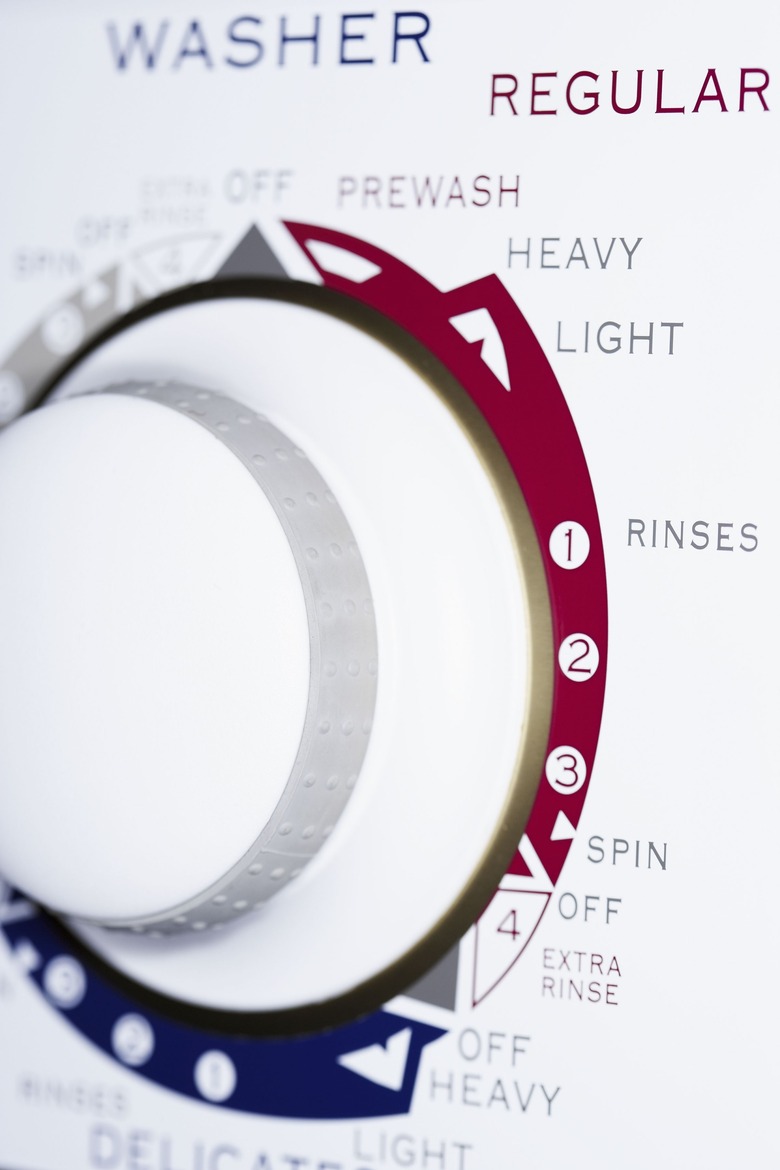
Check out this practical explanation of washing machine spin speed and why spin symbols matter on your washer controls. Understanding these cues can save you headaches.
Spin Speed vs Washing Efficiency: What’s the Trade-off?
Many assume spinning faster equals cleaner clothes, but that’s only part of the story. The main cleaning happens during wash and rinse phases. Spin speed primarily helps with drying efficiency by removing water.
Examples: a 1600 RPM spin extracts about 60-70% of water, allowing fabrics to dry faster. Lower speeds leave more water trapped.
Maintenance Tips to Keep Your Washing Machine Spinning Perfectly
- ✅ Regularly clean the drum and dispenser compartments.
- ✅ Use balanced loads: uneven weight causes vibration and slows spin efficiency.
- ✅ Check and replace shock absorbers and bearings if excessive noise or vibration occurs.
- ✅ Follow manufacturer instructions for spin speed per fabric type.
Proper care extends machine life and keeps spin cycles running at correct speeds. Don’t ignore unusual noises during spin; that’s a call to action for repair.
When to Call a Professional for Spin Speed Issues
If your machine won’t reach its usual spin speed or vibrates violently during the spin cycle, it might be a sign of worn parts, motor issues, or control board faults. DIY repairs on these can be risky, so call a certified appliance repair technician.
Refer to expert sources like TCL’s washing machine spin speed guide for troubleshooting basics but always know your limits.
Future Trends: Smart Spin Technology in Washing Machines
Washing machines in 2026 increasingly use AI-driven sensors to optimize spin speed in real time. These smart washers balance load, fabric type, and water extraction automatically, reducing wear and energy usage.
Imagine a washer that feels your fabric and adjusts speed without you touching a dial. It’s no sci-fi—it’s smart living now.
Want to dive deeper? Visual explanations of spin cycle speeds appear in community discussions like the Dull Club’s spin speed thread, an insightful read for curious laundry enthusiasts.
Summary: Why Knowing How Fast Does A Washing Machine Spin Matters
To wrap up, knowing how fast does a washing machine spin isn’t some obscure trivia; it’s key to protecting clothes, saving energy, and speeding up drying in 2026’s busy world. Whether you baby your silks at 400 RPM or crank towels up to 1600, the spin cycle is your laundry’s silent hero.
Keep an eye on spin speeds, maintain your machine, and don’t hesitate to consult professionals for hiccups. Your clothes (and wallet) will thank you.
Source: inthewash.co.uk

Source: homefeeling.co.uk
Frequently Asked Questions
What is the average spin speed of a washing machine?
The average spin speed varies but typically ranges from 800 to 1400 RPM, with front-loaders spinning faster than top-loaders for better water extraction.
Can I adjust the spin speed on my washing machine?
Most modern washing machines allow you to select spin speed settings depending on fabric type and soil level, often ranging from 400 to 1600 RPM.
Does a higher spin speed damage clothes?
Higher spin speeds can stress delicate fabrics, causing wear or damage, so it’s best to use lower speeds for fragile items and higher speeds for heavy fabrics.
Why is my washing machine not spinning fast enough?
Insufficient spin speed can be caused by unbalanced loads, mechanical issues, or faulty motor controls, and may require professional repair if simple fixes don’t work.
How does spin speed affect drying time?
Higher spin speeds extract more water, significantly reducing drying time and energy consumption in dryers.
Are front-loading washers faster at spinning than top-loading ones?
Yes, front-loaders generally spin faster, reaching up to 1600 RPM, compared to top-loaders that often max out around 1000 RPM.

Tyrone Jacobs is passionate about reducing household carbon footprints without sacrificing cleanliness. Her articles focus on high-efficiency (HE) machines, low-water washing techniques, and DIY natural machine-cleaning solutions. If you want to lower your utility bills and keep harsh chemicals out of your drain hoses, Tyrone Jacobs is your go-to expert.