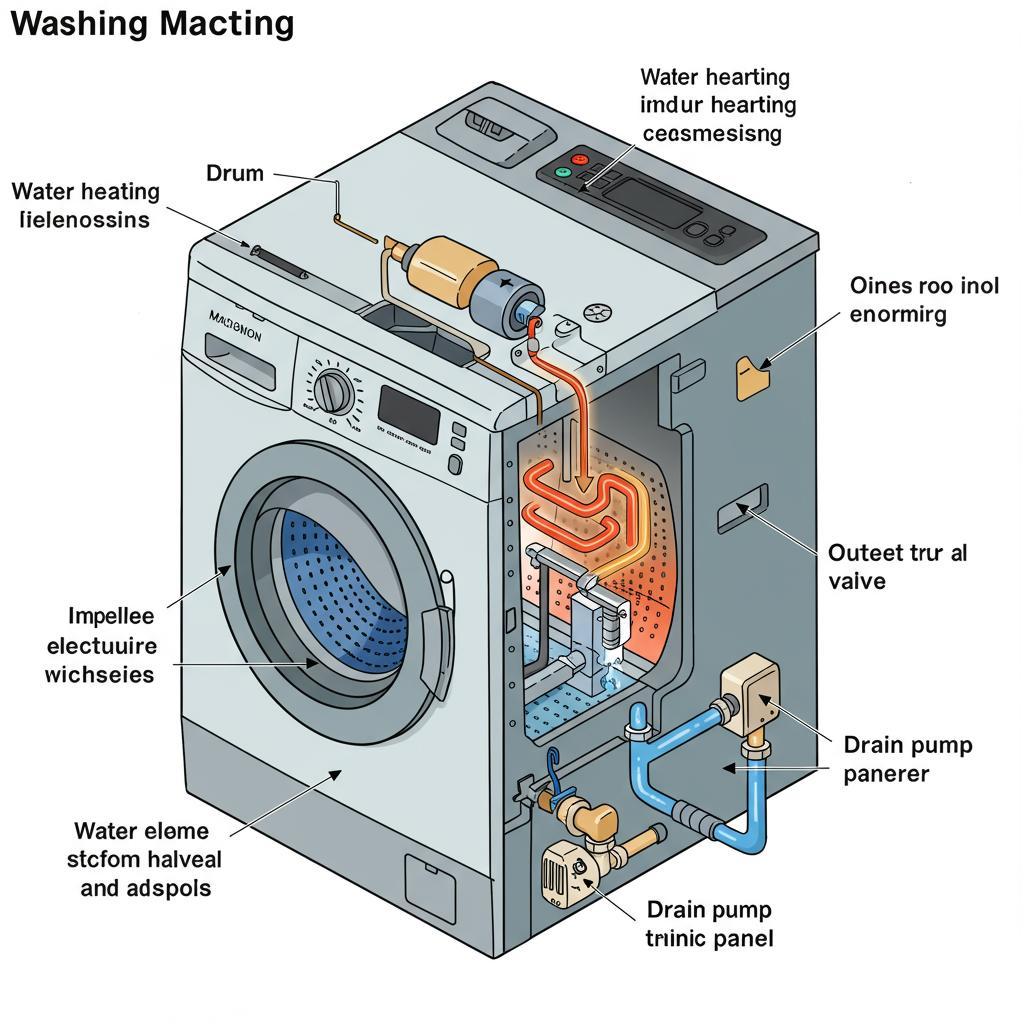
Ever tossed clothes into your washing machine and wondered, “Does washing machines heat the water” on their own or rely solely on your home’s hot water supply? This question has been buzzing among laundry enthusiasts and casual washers alike. The truth is, it depends heavily on the type of washer you own and the cycle you select. Some machines come armed with built-in heating elements that warm water as it enters the tub, delivering that warm wash without pinging your home’s hot water heater. Others depend entirely on plumbing to supply water at a desired temperature. 🚀
How Washing Machines Heat Water Internally
Let’s break it down. Modern front-load and many top-load washers contain a heating element — basically a mini electric water heater. When you select a warm or hot cycle and your home’s incoming water is cold, the machine powers this electric element to ramp up water temperature rapidly inside the drum. This setup gives you consistent wash temps even if your water heater is turned down or distant from the machine. Imagine the guy running a laundromat on a chilly street corner: rather than relying on the neighborhood’s dodgy water heater, each of his machines heats water on demand, ensuring the clothes come out just right every time.
Types of Water Heating in Washing Machines
- Internal Electric Heating: Found mostly in front loaders and high-efficiency top loaders, the machine heats water electrically.
- Plumbed Hot Water Supply: Some machines just mix hot and cold water supplied from your home plumbing.
- No Heating Elements: Basic or budget models that rely exclusively on household hot water supply.
Benefits of Having Built-In Water Heaters in Washers
Why bother with an internal heater when hot water is usually at the ready? Several practical reasons:
- Instant warm water regardless of house plumbing layout.
- More precise temperature control per cycle for delicate fabrics.
- Potential energy savings by heating only the needed volume inside the washer.
- Reduced hot water usage from your central water heater.
Do All Washing Machines Heat Their Water?
Nope! Plenty don’t. For instance, many basic washers simply pull in hot and cold water per your selected cycle, mixing it to the desired temp. That means your water heater does the heavy lifting of warming the load. So, on cold-water cycles, the machine often just draws cold tap water with no internal heating involved. That’s why using cold water cycles is a great energy saver, albeit sometimes less effective on stubborn oil stains.
Energy Considerations: Is It Cheaper to Heat Water Inside a Machine?
This flips traditional thinking. Intuitively, heating water inside the washer makes you think energy consumption will spike. Actually, it’s more complex. If your home’s hot water heater is older or distant from the washer, heat loss in pipes can waste energy. A machine heating water on the spot can be more energy-efficient. Consumer experts, such as those at Consumer Reports, highlight that newer washers optimize water and heat use, especially on cold cycles, making internal heaters smarter energy players than expected.
How Does Water Temperature Impact Cleaning?
Hot water attacks oils and dirt more ferociously. But using hot water all the time is rough on some fabrics and drives energy bills up. Washing machines that heat water internally give you a broad spectrum of temp controls, so you can adapt your laundry routine to different fabric types and soil levels without waiting for the household water heater or dealing with inconsistent temps.
Maintenance Tips for Washing Machines with Heating Elements
Those heating elements aren’t invincible. Mineral buildup and detergent residues can lower efficiency or cause failure. Preventative maintenance pays off:
- Regularly run a washing machine cleaner cycle to clear buildup.
- Use appropriate detergents formulated for your machine type.
- Check and clean water inlet filters monthly.
- If the machine isn’t heating water properly, inspect for faulty heating elements or thermostats — but call a professional to avoid electric hazards.
Signs Your Washer May Not Be Heating Water Like It Should
Is your laundry coming out dingy or still soapy? Water isn’t warming? These could point to heating element issues or control board faults. Testing and repairs usually require pro-level intervention unless you’re comfortable with electrical troubleshooting.
Cold Water Cycles vs. Hot Water Cycles: What Experts Say
Cold water cycles have gained fame for saving energy and being gentle on clothes. According to GE Appliances, cold water can clean as effectively with modern detergents for most everyday loads. Yet, for greasy or heavily soiled items, hot water cycles or machines that heat internally are preferable. Why settle for lukewarm sweat when you can zap that grime? 🚀
DIY Checks for Your Washing Machine’s Water Heating
- Check your owner’s manual to identify if your model has a heating element.
- Run a heating cycle and monitor water temperature using a kitchen thermometer.
- Listen for heating sounds or a slight electrical humming during warm cycles.
- Inspect the user panel for error codes indicating heating faults.
When To Call a Professional
If after these checks your washer still isn’t heating or washes poorly on warm/hot cycles, call an appliance repair technician. Messing with electrical parts without credentials is a no-go. Plus, professionals can spot more subtle control or sensor issues that DIY misses.
Summary: Why It Matters Whether Your Washing Machine Heats Water
Understanding does washing machines heat the water empowers smarter laundry choices. You save energy, extend machine life, and tailor washing to your wardrobe’s needs. Whether your rig heats water internally or not shapes your approach to settings and detergent selection — knowledge that translates into cleaner clothes and happier bills.
“Washing clothes isn’t just about the detergent or fabric care — temperature control is a silent hero in your laundry battles.”
:max_bytes(150000):strip_icc()/wash-with-the-right-water-temperature-2146348_FINAL-5bb51fb24cedfd0026d1752b.png "Does Washing Machines Heat The Water 2")
Source: www.thespruce.com
Source: inthewash.co.uk
Frequently Asked Questions
Do all washing machines have an internal water heater?
No, not all machines have an internal water heater. Many basic washers depend entirely on your home’s hot water supply, while modern front loaders and high-efficiency models often include a heating element to warm water internally.
Is it better to use cold water cycles?
Cold water cycles save energy and are gentler on clothes and colors. For most everyday laundry, especially lightly soiled items, cold water washes work well when combined with appropriate detergents.
How can I tell if my washing machine heats the water?
Check the user manual for details. You can also observe if the washer warms water during hot cycles by feeling the drum or measuring water temperature with a thermometer.
What maintenance is required for washing machine heaters?
Maintain efficiency by running cleaning cycles, using suitable detergents, and having a professional inspect heating elements if washing results decline or error codes appear.
Does heating water inside the machine cost more energy?
Not necessarily. Heating water internally can be more efficient in some homes, avoiding heat loss in pipes. Newer machines are designed to optimize energy use across all cycles.

Tyrone Jacobs is passionate about reducing household carbon footprints without sacrificing cleanliness. Her articles focus on high-efficiency (HE) machines, low-water washing techniques, and DIY natural machine-cleaning solutions. If you want to lower your utility bills and keep harsh chemicals out of your drain hoses, Tyrone Jacobs is your go-to expert.