Ever stuck staring at your washing machine wondering, does washing machines have filters or is the dirt just getting dumped back into your clothes? The short answer is yes — but it depends on the type and model.
Most modern washing machines include some form of filtration designed to catch lint, debris, and even tiny fibers that come off your clothes. Ignoring these filters is like ignoring a clogged artery—your machine’s performance tanks, and your clothes come out less clean.
Quick Facts
- Front-loaders almost always have accessible lint filters.
- Top-loading machines might have filters hidden inside the agitator or pump.
- Regular filter cleaning can extend your machine’s life by years.
What Types of Filters Do Washing Machines Have?
Understanding the different filters helps you maintain your washer better. The main kinds include:
- Lint Filters: They trap lint and fibers to prevent drainage problems.
- Pump Filters: Protect the drain pump from blockages caused by coins, buttons, and other debris.
- Water Inlet Filters: Screen the incoming water to keep out sediments.
Do All Washing Machines Have Filters?
Not all washing machines come with user-accessible filters, but most do have some filtration system internally. For instance, top-loading machines often have hidden filters, while front-loaders typically provide an easy-to-clean lint or pump filter.
Top-loading Machines
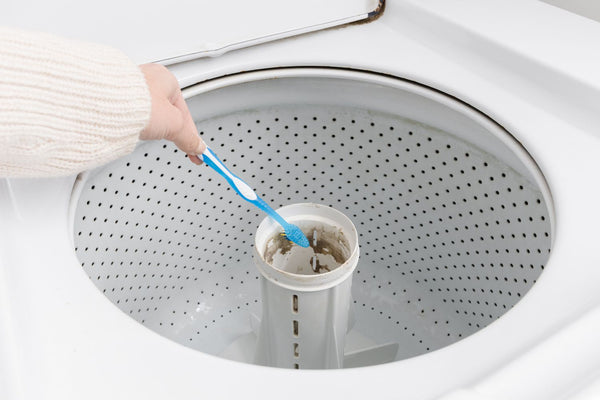
Many top-loading washers don’t have a traditional lint filter but might have built-in filtration within the pump or agitator. These filters can be trickier to access and clean, which explains why many people unknowingly skip maintenance on them. Learn more about filters in top-loading washing machines for detailed insights.
Front-loading Machines
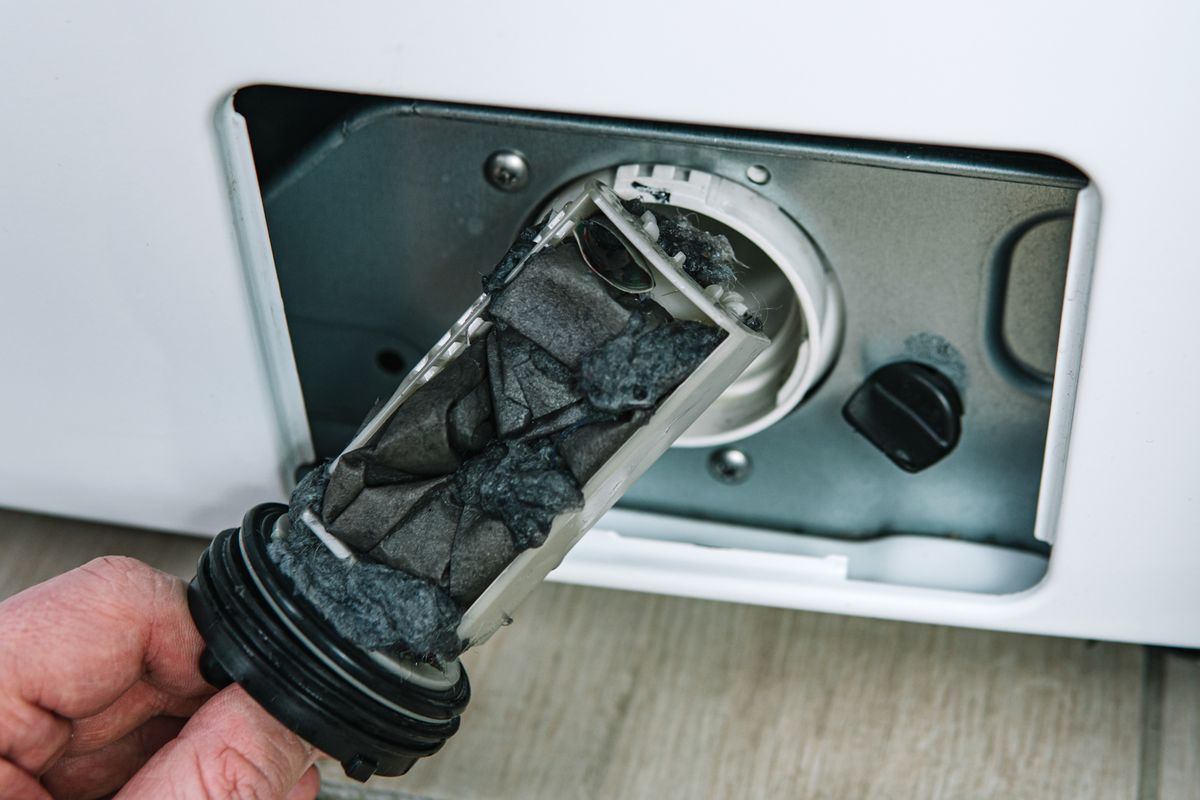
Front loaders usually have external lint filters near the base front panel. These can be removed and cleaned regularly and are an obvious filter to maintain. Neglecting this can cause funky odors and blockages.
Why Filters Matter
- Improves water drainage.
- Prevents machine breakdowns.
- Keeps clothes cleaner by trapping debris.
How to Locate and Clean Washing Machine Filters
Finding and cleaning your washer’s filter is easier than you think — and vital! Typically, filters are located:
- Behind a small hatch at the front base (for front loaders).
- Inside the agitator or along the drain hose (for some top-loaders).
- At the water inlet valves (where hoses connect).
- Unplug the machine before attempting any cleaning.
- Locate the filter according to your model’s manual or reliable online sources.
- Remove the filter carefully, expect some residual water.
- Rinse it clean with water; use an old toothbrush to clear stubborn debris.
- Reinstall the filter firmly back in place.
Skipping these steps risks jams in your drain pump or water flow issues.
Common Mistakes in Filter Maintenance
- Ignoring the pumps and focusing only on lint filters.
- Waiting for machine issues before cleaning filters.
- Using harsh chemicals that can damage filter materials.
What Happens If You Don’t Clean Washing Machine Filters?
A clogged filter can cause endless headaches — from foul odors, washing cycles that don’t complete, to outright machine breakdowns. You might end up paying for expensive repairs or even a replacement. Your clothes also might come out dirtier or sopping wet.
Professional Help vs DIY
Small filter cleanings are usually DIY-friendly. But if your unit’s draining weirdly or filters feel inaccessible, it’s smarter to call in an appliance technician. Attempting to force open sealed components can void warranties or cause damage.
Additional Tips
- Schedule filter checks once every 3 months.
- Use washing machine cleaner tablets periodically to avoid buildup.
- Watch for unusual sounds indicating drain blockage.
- Keep small items like coins and buttons out of pockets before washing.
2026 marks a big shift towards eco-friendly appliances. Some new washers even come with advanced microfiber-catching filters to reduce environmental pollution. That’s a wink to you from the future—take care of your filters and your planet. 🌀
💬 “Think of your washer filter as a gritty little gatekeeper. Ignore it, and your whole laundry day could go down the drain — literally.”
For more details on locating your washer’s filter and maintenance tips, check out the detailed guide on Family Handyman’s washing machine filter location.
Source: fallonsolutions.com.au
/how-to-clean-a-washer-lint-trap-2147322-06-b06dcf02643f4e18bd997383158d14cc.jpg "Does Washing Machines Have Filters 3")
Source: www.thespruce.com

Source: lifehacker.com
Frequently Asked Questions
Does every washing machine have a filter?
No, not every washing machine has an accessible filter. Most front-loaders do, and many top-loaders have filters integrated internally, often in the pump or agitator.
Why is filter cleaning important in washing machines?
Cleaning filters regularly prevents clogs, improves drainage, avoids bad odors, and prolongs your machine’s lifespan.
Can I clean the filter myself, or should I call a professional?
Most filter cleanings are simple DIY jobs, but if the filter is hard to reach or you notice draining issues, call a professional to avoid damage.
How often should washing machine filters be cleaned?
As a rule of thumb, cleaning washing machine filters every 3 months keeps your machine running smoothly and prevents buildup.
Do top-loading washers have filters like front-loaders?
Top-loading washers often have filters, but they may be hidden inside parts like the agitator or pump rather than easy-access lint screens.
In conclusion, the straightforward answer to does washing machines have filters is yes. You gotta find them, clean them, and respect them. Neglect leads to headaches, so stay sharp—your laundry routine depends on it. For an in-depth look at washing machine microfiber filters and their recent innovations, see the insights provided by Sustainable Jungle here.

With over 15 years of hands-on experience in the appliance repair industry, Erick Jackson is WashingMachineCare’s resident gearhead. He holds multiple manufacturer certifications and specializes in breaking down complex mechanical failures into easy, step-by-step DIY fixes. When he’s not covered in grease, Erick Jackson enjoys restoring vintage washing machines to their former glory.