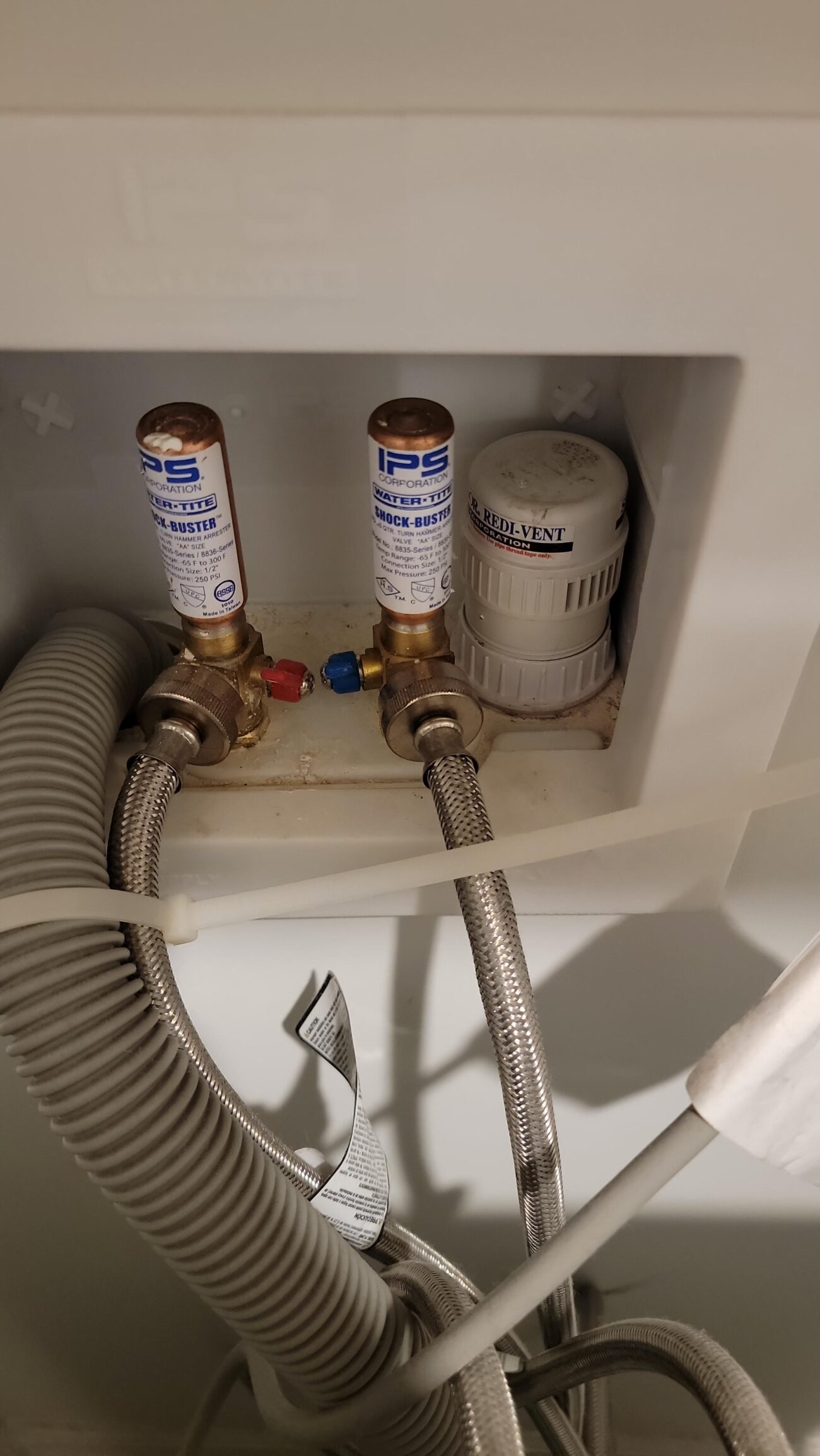
Ever stood by the laundry, staring at the washing machine’s drain setup, wondering, does washing machine drain need a trap? That little question often gets overlooked, but trust me, it’s a big deal for your home’s plumbing. Imagine the stink from sewer gases sneaking into your laundry room or water dribbling everywhere—yikes! This guide dives into why a drain trap is usually essential, how to install one right, and what to watch out for, all while cutting through the jargon.
- Drain traps prevent sewer gases from entering living spaces.
- Most plumbing codes require traps on washing machine drains.
- A properly installed trap stops pests and odors effectively.
- Incorrect trap installation can cause clogging and drainage issues.
Why a Drain Trap is Usually Non-Negotiable
Let’s break it down. The trap is a U-shaped bend in your drain pipe that holds water, acting as a barrier against nasty sewer gases. If your washing machine’s drain skips this, you risk more than just smells; you’re opening doors to potential health hazards and unwelcome bugs. For example, the last time I skipped installing a trap for my cousin’s laundry setup, the whole basement reeked like a public restroom after heavy use—lesson learned! This is why local plumbing codes almost always mandate traps for washing machine drains. For the nitty-gritty on code requirements, check out this detailed discussion on washing machine drain trap requirements.
Understanding Local Plumbing Codes
Different cities might have their quirks, but the fundamentals stay solid: traps are standard. Besides staving off foul odors, they prevent rodent access and block airborne bacteria. Skimming over codes can cause hefty fines and DIY headaches if your installation doesn’t hold up to inspection.
Common Types of Washing Machine Drain Traps
- P-Trap: The classic U-shaped trap, most commonly used and easy to maintain.
- S-Trap: Similar but often discouraged due to siphoning issues.
- Standpipe with Trap: A vertical pipe where the drain hose empties, usually paired with a P-trap beneath.
Wondering if a simple standpipe is enough without a trap? It’s typically not. Experts emphasize the trap’s water seal role as irreplaceable. Still skeptical? See how a trap actually blocks sewer gases in this insightful plumbing DIY video about washing machine P-traps.
How to Properly Install a Drain Trap for Your Washing Machine
- Check your local plumbing code for trap depth and pipe sizing.
- Cut the drain pipe and attach a quality P-trap module underneath.
- Use approved fittings and ensure water seals are airtight.
- Secure hose clamps on the washing machine drain hose to prevent leaks.
- Test drain flow and trap by running a wash cycle and checking for weird smells or backups.
Issues Caused by Improper Traps (or None at All)
Without a trap, your washing machine drain can invite sewer gases, foul odors, pest infestations, and pipe corrosion. Even with a trap, if installed incorrectly, you might encounter water siphoning out of the trap, defeating its purpose. Plus, traps can clog if lint and debris build up, so regular cleaning matters.
Maintenance Tips for Trap Longevity
- Flush the drain monthly with hot water to clear lint.
- Use a mild drain cleaner safe for pipes to prevent buildup.
- Inspect the trap periodically for leaks or corrosion spots.
- Replace old trap sections if damaged or heavily rusted.
For more advanced troubleshooting around these issues, this piece about washing machine drain trap requirements highlights key solutions.
When to Call a Professional Plumber
Feeling overwhelmed? Plumbing is complex, and mistakes are costly. Call a pro if you spot constant clogs, persistent odors, or if you’re uncertain about code compliance. A pro can also determine if alternative drain systems like an air gap or standpipe setup might suit your laundry better, which can be safer and code-compliant.
Alternative Drain Options – Are They Viable?
Some setups opt for standpipe drains that include traps, but it’s crucial this combo meets legal standards. Others may combine with air gap fittings for extra stink protection. Curious about these alternatives? This guide on industrial washing machine drain trap options sheds comprehensive light on the topic.
Common Myths About Washing Machine Drain Traps
- Myth: “A trap is optional if you have a vent pipe.” Reality? You still need the trap to block gases.
- Myth: “Any water seal depth will work.” Wrong! Minimum dimensions are specified in codes.
- Myth: “Traps cause frequent clogs.” Truth? Properly installed traps rarely clog; neglect causes blockages.
How Trap Size And Design Affect Washing Machine Performance
Choosing the right drain trap size is crucial. A standard 2-inch diameter trap usually fits washing machines, but using plumbing designed too small or too large disrupts drainage velocity. Larger diameter traps and piping help reduce lint buildup and discourage pests.
Eco-Friendly Tips for Washing Machine Drainage
Consider a trap setup that allows ease of trap cleanouts. Using natural cleaning agents keeps pipes healthy and prevents chemical runoff. Also, ensuring proper trap water seal depth minimizes water wastage by stopping unnecessary evaporation from standing water in the trap.
🚀 Wrapping Up: Does Washing Machine Drain Need A Trap?
Let’s answer directly: yes, it does. Installing a proper drain trap is non-negotiable for a safe and effective washing machine drain system. It saves you from foul smells, health hazards, and plumbing nightmares. Remember, follow local codes, use quality parts, clean it regularly, and call a pro if things get hairy. This isn’t just about compliance—it’s about peace of mind. For further DIY tips or professional guidelines, explore expert advice on P-traps for heavy washing machines and installation walkthroughs like how to install a washing machine drain standpipe.

Source: forum.nachi.org

Source: www.reddit.com
Frequently Asked Questions
Does every washing machine drain require a trap?
Most plumbing codes require traps on all washing machine drains to prevent sewer gases and pests. It’s a standard safety measure unless specified otherwise by local regulations.
What kind of trap is best for a washing machine drain?
The P-trap is generally the preferred type for washing machine drains due to its effective water seal and ease of maintenance. Avoid S-traps as they can cause siphoning issues.
Can I install a washing machine drain without a trap if there is venting?
No. Venting prevents pressure issues but does not stop sewer gases. A trap is essential to maintain a water barrier blocking odors and harmful gases.
How often should I clean the trap on my washing machine drain?
It’s best to flush the trap monthly with hot water and inspect for lint or debris buildup to prevent clogs and maintain proper drainage.
What are signs that my washing machine drain trap needs attention?
Bad odors in your laundry area, slow water drainage, frequent backups, or visible leaks around the trap indicate it needs cleaning, repair, or replacement.
Is it safe to DIY install a washing machine drain trap?
Yes, if you follow local plumbing codes, use proper fittings, and ensure a good water seal. If unsure, consult a professional to avoid costly mistakes.
Will a trap prevent all washing machine drain clogs?
No. While traps block gases and pests, proper maintenance like avoiding lint buildup in the drain line is necessary to prevent clogs.

Tyrone Jacobs is passionate about reducing household carbon footprints without sacrificing cleanliness. Her articles focus on high-efficiency (HE) machines, low-water washing techniques, and DIY natural machine-cleaning solutions. If you want to lower your utility bills and keep harsh chemicals out of your drain hoses, Tyrone Jacobs is your go-to expert.