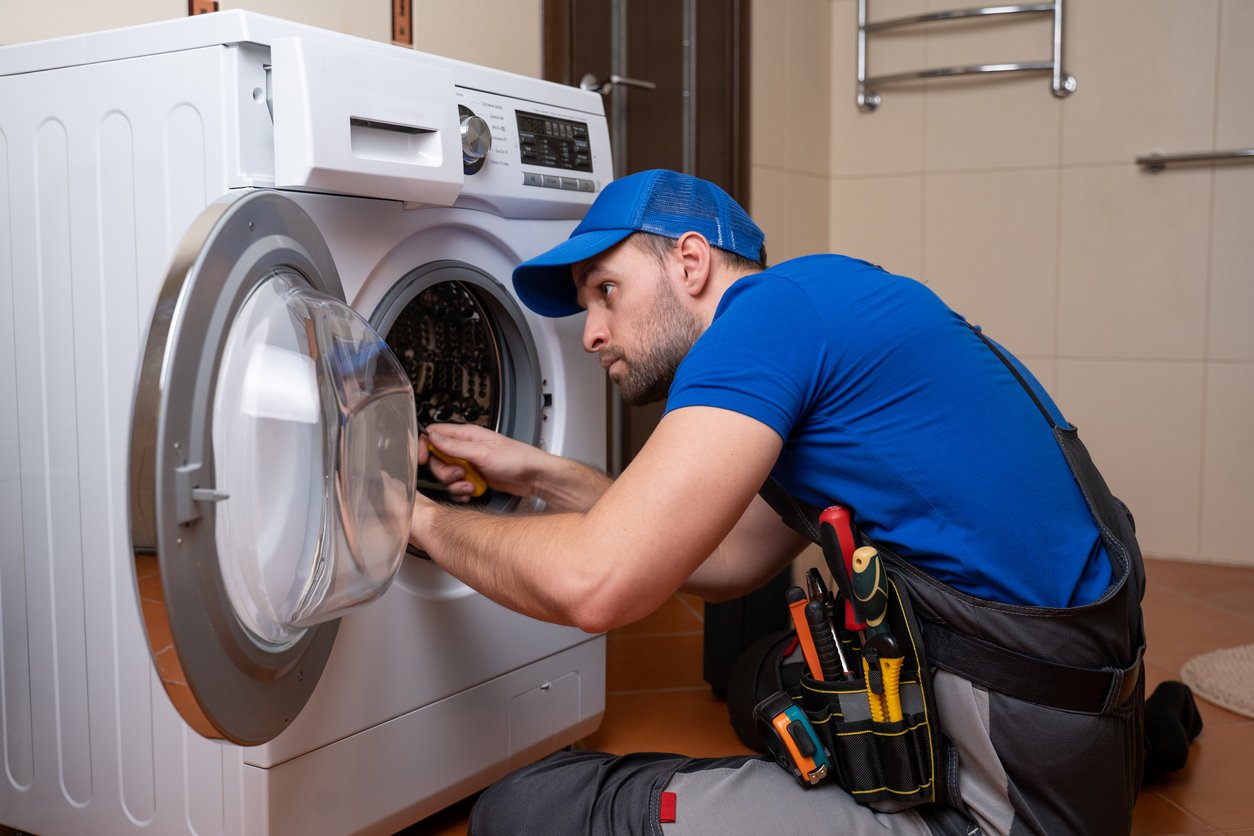
Ever stood by your washing machine, drenched in frustration and asked yourself, “Do plumbers fix washing machines?” It’s a hot question because laundry machines blend plumbing, electronics, and mechanics. Should you call a plumber or a washing machine specialist? Let’s crack this open.
Why People Get Confused About Who Fixes Washing Machines
Washing machines sit right between plumbing and electrical repair. A plumber is the go-to for leaks, any water flow troubles, or problems with supply lines and drainage. But when the machine won’t spin, fill properly, or has error codes blinking on the panel, that’s where a dedicated appliance repair technician steps in.
What Plumbers Typically Handle
- Fixing leaks at the water supply hoses.
- Clearing clogged or faulty drainage pipes.
- Installing or replacing water lines safely.
- Ensuring proper water pressure and flow.
What Appliance Repair Technicians Tackle
- Diagnosing and repairing electrical components.
- Replacing malfunctioning motors or pumps.
- Fixing the control panel and sensors.
- Addressing washing machine drum or belt issues.
When Should You Call a Plumber for Your Washing Machine?
If your washing machine is leaking water onto the floor, or the water supply line bursts or is clogged, call a plumber immediately. Also, if the drain smells foul or is backing up, a plumber’s skills are essential.
For example, imagine Sarah in Boston, who noticed water pooling beneath her washer after a load. She called a plumber who traced the issue to a cracked hose. Quick fix. But when the same machine stopped spinning, she needed an appliance tech.
Cost Considerations: Plumber vs Appliance Repair
Hiring a plumber usually costs less for simple water-line repairs, ranging from $75 to $150 for small fixes. Complex appliance repairs often run higher due to part costs and technical labor, sometimes $150 to $400 or more.
DIY Tips Before Calling Professionals
- Check hoses for visible cracks or leaks.
- Clean the drain filter and pump area.
- Make sure water taps are fully open.
- Reset or unplug the machine to clear minor faults.
Installation and Replacement: Where Plumbers Are Key
Installing a new washing machine almost always involves a plumber. They ensure the water supply and drainage connections are safe, leak-free, and comply with local codes.
Safety Tips To Avoid Water Damage
- Use good-quality supply hoses rated for your machine’s pressure.
- Turn off water supply when the machine is not in use for extended periods.
- Schedule regular hose inspections every 6-12 months.
How To Choose The Right Pro For Your Washing Machine
Ask yourself: Is the problem mechanical/electrical or water-based? If it’s water-related, call a plumber. If the machine won’t start, spin, or drain properly but no leaks occur, seek an appliance repair service.
In 2026, many plumbers now offer hybrid services with basic appliance fixes, but verify their expertise beforehand. Check reviews and ask for a clear quote.
Common Washing Machine Plumbing Problems
- Leaking inlet valves
- Faulty drain hose connections
- Water supply shutoff valves issues
- Clogged drainage pipes causing overflow
Common Washing Machine Appliance Repairs
- Broken drum bearings
- Malfunctioning control boards
- Faulty water level sensors
- Drive belt or motor problems
| Task | Plumber | Appliance Technician |
|---|---|---|
| Fixing water leaks | ✅ | ❌ |
| Repairing motor issues | ❌ | ✅ |
| Installing new washer | ✅ | Assists |
| Fixing electronic controls | ❌ | ✅ |
How Maintenance Can Reduce Repair Calls
Regularly inspecting hoses, cleaning filters, and ensuring proper drainage protects your machine from plumbing and mechanical breakdowns. Some plumbing tasks like clearing blockages prevent bigger appliance failures.
Tricky Cases Where You Might Need Both Pros
Sometimes, a washing machine stops working due to a mix of plumbing and appliance issues — for instance, a clogged drain combined with an electrical fault. In such cases, contacting both might be necessary.
Final Thoughts on “Do Plumbers Fix Washing Machines”
Yes, plumbers do fix certain washing machine problems — mainly the water supply and drainage aspects. But don’t expect them to replace belts or fix motors. Knowing when to call a plumber and when to call an appliance repair expert will save you time and money in 2026.
So, next time you’re puzzled and wondering, “Do plumbers fix washing machines?”, remember the task at hand. Plumbing problems? Plumber. Electronics or mechanical failure? Appliance pro. Makes sense, right? Keep this guide handy — your washing machine will thank you! 💬
For more detailed advice on washing machine repairs, check out Consumer Reports’ thorough guide on repair vs replacement.

Source: www.bobvila.com
Source: www.christiansonco.com
Frequently Asked Questions
Do plumbers fix all washing machine problems?
No. Plumbers handle water supply and drainage fixes. Electrical or mechanical issues require appliance repair technicians.
Can a plumber install a washing machine?
Yes. Installing water supply and drainage connections for washers typically falls under a plumber’s expertise.
When should I call a washing machine repair technician?
If your machine has electrical faults, won’t spin, fill, or complete cycles properly, call an appliance repair professional.
Is it cheaper to hire a plumber or an appliance technician?
Plumbers usually charge less for simple plumbing fixes; appliance repairs often cost more due to complex parts and labor.
Can I fix washing machine plumbing issues myself?
Basic tasks like checking hoses or clearing minor clogs might be DIY-friendly, but major leaks or drainage blockages should be handled by a plumber to avoid damage.

Mary Snodgrass oversees all content at WashingMachineCare.com with a keen eye for detail and consumer advocacy. Spending over a decade in appliance retail management, he knows the industry tricks and which brands actually stand the test of time. Mary Snodgrass buying guides help readers navigate confusing spec sheets to find the perfect washer for their household needs and budget.