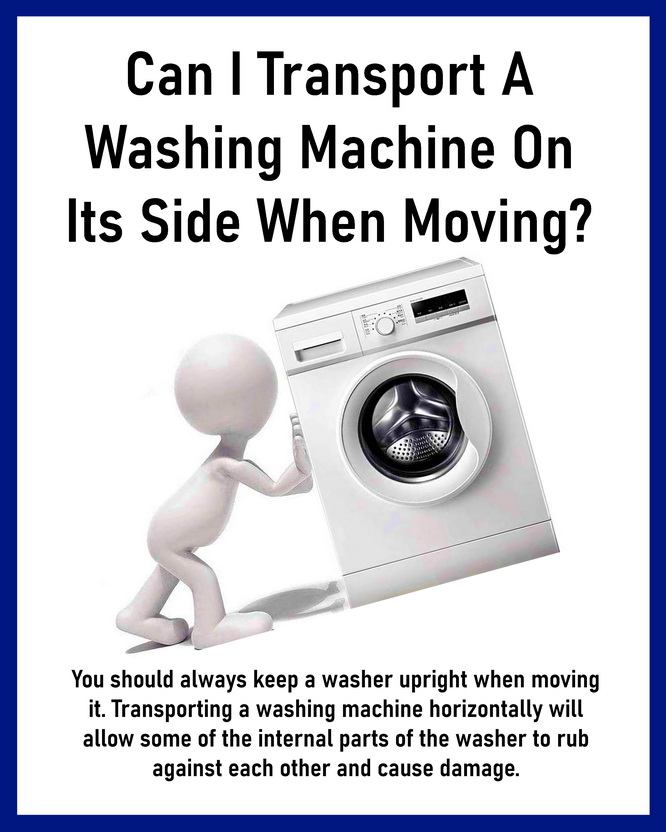
Ever found yourself in a pinch wondering can you move a washing machine on its side without wrecking it? Picture this: You’re helping your buddy move apartments, and the tiny hallway turns into an obstacle course. Slapping that washer on its side seems like the easiest option, right? Hold on, though—this isn’t a casual toss. Moving a washing machine sideways can sneak in unexpected damage, and it’s crucial to handle this carefully.
Why Would You Even Move A Washing Machine On Its Side?
Sometimes it’s about space — narrow doorways, tight corners, or tricky staircases force you to tilt or lay down the machine while shifting. It’s tempting, but not without risks.
Top Risks of Moving Sideways:
- • Oil leakage inside the motor
• Drum misalignment or damage
• Hose or component cracking
• Increased chance of scratches and dents
Types Of Washing Machines: Does It Matter?
Definitely. Front-load washers often have more complex drum suspensions and delicate balancing systems that hate being tilted. On the flip side, top-loaders usually withstand movement a bit better but still aren’t immune.
Example:
Jack, a local mover, once laid down a front-loader during a move and ended up with a permanently unbalanced drum. Lesson learned: moving on its side isn’t a casual choice.
Manufacturer Recommendations & Shipping Guidelines
Always, always check the manufacturer manual before attempting to move your washer on its side. Most brands strongly recommend standing it upright whenever possible. According to Whirlpool’s official front-load washer moving instructions, laying a washer flat is discouraged and potentially voids warranty.
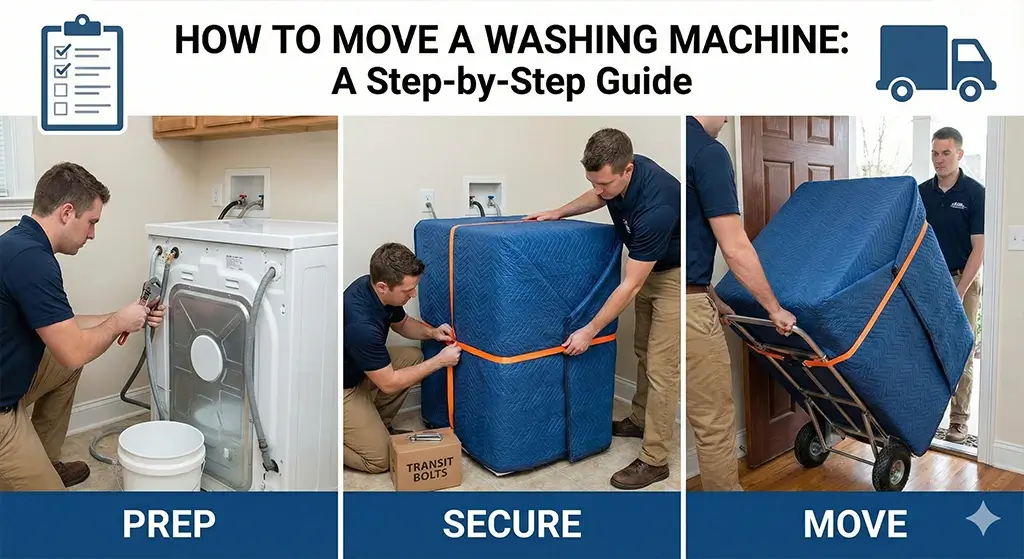
Safe Steps If You Have To Move On Its Side
- Drain all water: Disconnect hoses, remove excess water.
- Secure moving parts: Use shipping bolts or secure drum if possible.
- Choose the right side: Lay washer on the side opposite to the motor to minimize oil leaks.
- Transport quickly and carefully: Minimize time laying flat.
- Stand it upright promptly: Once moved, keep washer upright for several hours before powering on.
After Moving: What To Watch For
Once your washing machine’s safely at its destination, don’t rush to plug it in. Wait at least 4 to 6 hours upright to allow internal fluids to settle. Powering it too soon can result in motor hazards or improper functioning.
Signs Of Transport Damage To Look Out For:
- • Strange noises during operation
• Excessive vibration or unbalanced spin
• Leaks or water pooling
• Error codes on display
What To Do Instead: Professional Moving Help
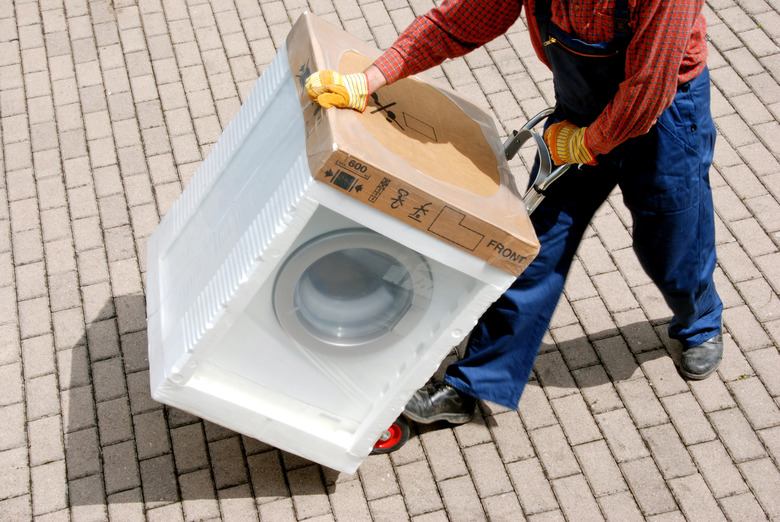
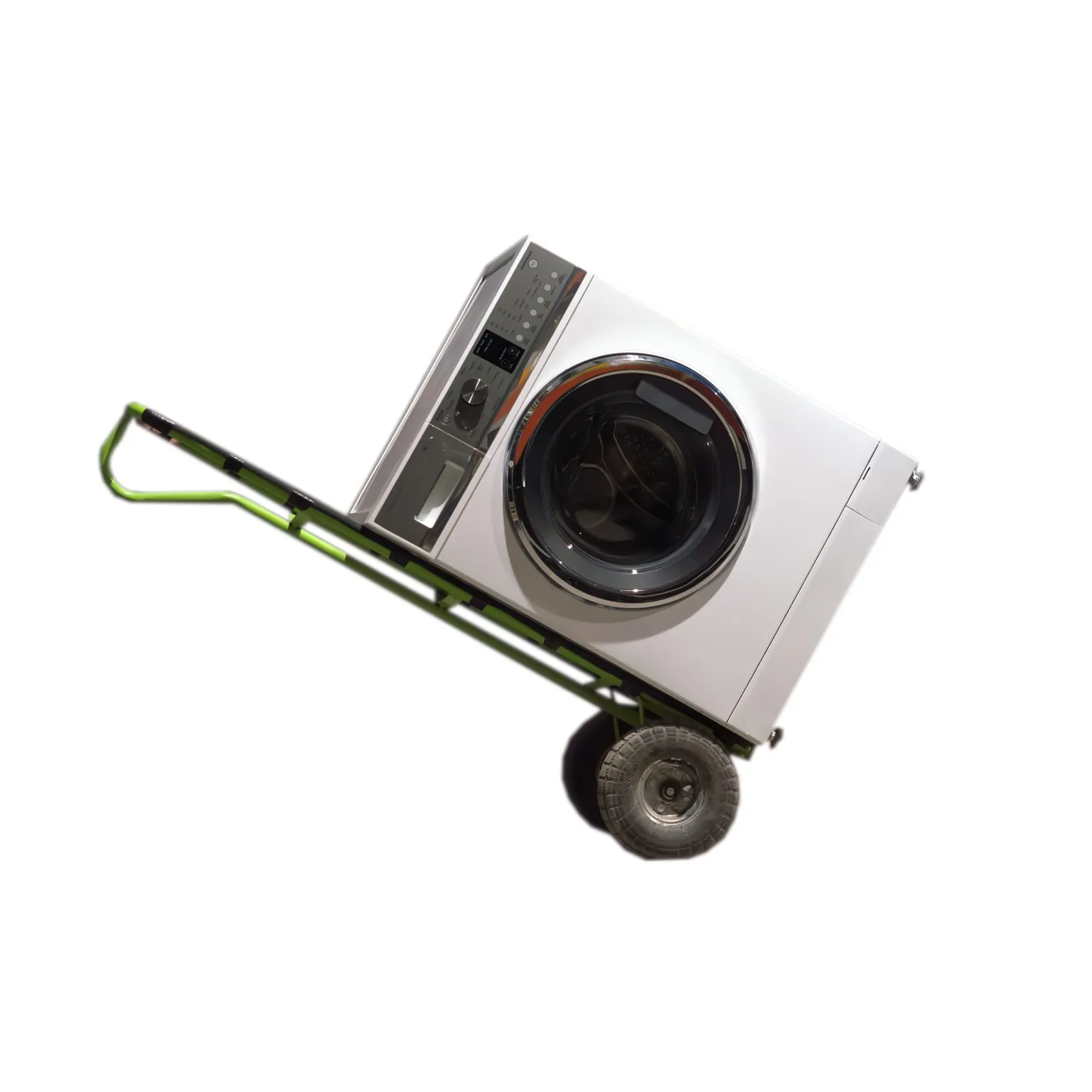
Some moves are just too complicated. Hiring professional movers who specialize in appliance transport can prevent accidental damage and hassle. They have the right tools, dollies, and straps to keep your washing machine upright and safe.
College Hunks Hauling Junk provides expert appliance moving services — check their step-by-step safety guide for moving washing machines right from the pros.
Common Mistakes To Avoid
- Ignoring manufacturer’s moving instructions
- Skipping drum securing bolts
- Transporting with water inside
- Leaving the machine on its side for hours
- Plugging in immediately after repositioning
Summary & Final Thoughts
So, can you move a washing machine on its side? Technically yes, but the consequences often aren’t worth it. If you must, do it with care, follow every precaution, and double-check that you protect the delicate internal parts. When in doubt, lean on professionals who’ve got the know-how and tools to handle these beasts safely. Remember, treating your machine right means it’ll keep churning your laundry loads efficiently for years to come 🚀.
Can You Move A Washing Machine On Its Side? Yes, but only if you’re prepared for risks and take every possible step to protect your appliance from damage.
Source: www.vanlinesmove.com
Source: www.hunker.com
Source: www.whybuy.com.au
Frequently Asked Questions
Can laying a washing machine on its side cause damage?
Yes, laying a washing machine on its side can cause internal damage, especially oil from the motor leaking out, which impacts performance.
How long should a washer stay upright before use after being moved?
It’s recommended to let your washing machine stand upright for at least 4 to 6 hours before powering it on to allow internal fluids to settle.
Is it safer to transport a top load or front load washing machine on its side?
Top load washing machines typically handle being moved on their side better than front loaders, which have more delicate drum systems.
What are the best ways to move a washing machine without damage?
Secure the drum with shipping bolts, drain all water, transport upright if possible, and hire professional movers when possible.
Can I move a washing machine on its side if I don’t have shipping bolts?
You can, but it’s riskier. Without shipping bolts securing the drum, the internal parts can shift and cause damage during movement.

With over 15 years of hands-on experience in the appliance repair industry, Erick Jackson is WashingMachineCare’s resident gearhead. He holds multiple manufacturer certifications and specializes in breaking down complex mechanical failures into easy, step-by-step DIY fixes. When he’s not covered in grease, Erick Jackson enjoys restoring vintage washing machines to their former glory.