Ever opened your washing machine only to be hit by a rancid smell? Why does that happen, and more importantly, how to get bad smell out of washing machine fast and effectively? This issue is more common than you think—especially if you treat your washer like a magical laundry abyss rather than a machine that needs cleaning. Let’s dissect the problem and fix it, so that every load smells fresh and nothing suspicious lingers after the spin cycle.
The root cause of foul odors in washers is often a buildup of mildew, soap scum, and trapped dirt in hard-to-reach spots. These nasties thrive in dark, damp places—the exact environment inside your washing machine after a cycle. From the rubber door gasket in front-loaders to hidden drain filters, grime settles in quietly, creating that unmistakable funk. But fear not, because tackling this is straightforward if you follow a few essential steps.
Understanding Why Your Washing Machine Smells Bad
Before jumping into cleaning, understand the why behind the smell. When water remains trapped after cycles, especially if you leave the door shut, it encourages mold and mildew growth. Poor detergent choices or overusing fabric softeners can add to residue buildup. Residues clog filters and groove areas—turning your fresh clothes into carriers of the machine’s bad smell. Let’s break down the common odor culprits:
- Dirty door gasket: Residue and lint collect here, becoming mold paradise.
- Clogged drain filter: Traps hair, fibers, and gunk.
- Soap scum buildup: Especially when using low-quality detergents or cold washes.
- Standing water: Leftover moisture inside the drum or detergent dispenser.
Tools and Ingredients You’ll Need
Getting bad smell out of washing machine is easier when you have the right stuff:
- White vinegar
- Baking soda
- Microfiber cloths
- Old toothbrush or small cleaning brush
- Spray bottle
- Rubber gloves
- Essential oils (optional for freshness)
Step-by-Step Guide: How To Get Bad Smell Out Of Washing Machine
1. Clean the Gasket Thoroughly
Start by pulling back the rubber seal around the door and wiping it with a cloth dampened with white vinegar or a 50/50 vinegar-water solution. Scrub stubborn grime with your toothbrush. The gasket traps moisture and is the main offender.
2. Run a Hot Cycle with Vinegar
Pour two cups of white vinegar directly into the drum and run the hottest cycle available. Vinegar kills mold, dissolves soap residue, and neutralizes odor molecules effectively.
3. Add Baking Soda for Extra Power
After the vinegar cycle finishes, sprinkle half a cup of baking soda inside the drum and run another hot cycle. This helps scrub away residue and refreshes the machine.
4. Clean the Detergent Dispenser
Take out the detergent drawer and soak it in hot water mixed with vinegar. Scrub off any residue or mold. Use a cloth to clean the dispenser slot in the machine.
5. Check and Clean the Drain Filter
This step is crucial but often skipped. Consult your machine’s manual to locate and safely remove the drain filter. Rinse it under hot water to clear trapped fibers and debris.
6. Leave the Door Open After Use
Keep the door slightly ajar after every wash to allow airflow and dry out internal components. This simple practice reduces moisture build-up drastically.
Common Mistakes That Worsen Washing Machine Odors
Been trying to tackle bad smells but no luck? Check if any of the following mistakes are sabotaging your efforts:
- Leaving the door closed and machine sealed post-wash.
- Using too much detergent or fabric softener.
- Ignoring regular cleaning maintenance schedules.
- Not cleaning under-visible areas like filter and detergent slots.
- Running mostly cold washes which don’t dissolve residues well.
How Often Should You Clean Your Washing Machine?
Regular is the word here. Experts recommend a deep clean at least once a month if you use your washer frequently. For occasional use, bi-monthly cleaning should suffice. Spot cleaning detergent dispensers and gaskets regularly in between helps prevent heavy build-up.
Professional Help: When to Call It
If unpleasant odors persist after thorough cleaning attempts, it might be time for a professional diagnosis. Possible causes include plumbing issues, blocked pipes, or malfunctioning parts that need expert attention.
Maintaining a Fresh-Smelling Washing Machine: Pro Tips
- Use high-efficiency (HE) detergents suitable for your appliance.
- Avoid overloading the machine; busy washers clean better and stay drier.
- Remove wet clothes promptly to prevent mildew.
- Run occasional hot wash cycles specifically for cleaning.
- Make sure lint traps and filters are cleared often.
Additional Resources to Deep Clean Your Washer
For a visual guide on effective cleaning, watch how to clean a washing machine and eliminate bad smell on YouTube. A detailed instructional video that leaves no surface untouched.
Struggling with a stinky washing machine? The article how to clean a stinky washing machine shares extensive professional cleaning tricks anyone can try at home.
Many washing machines trap odors due to standing water and clogged elements. For tips on quick fixes, explore the easy tips and products to fix a smelly washing machine video shown by experts.
Eliminating stubborn odors requires periodic deep cleaning combined with proper maintenance habits. For further odor removal strategies, read how to remove odors from a washing machine and maintain freshness effectively.
Getting the hang of how to get bad smell out of washing machine is a sure way to keep your laundry room smelling pleasant and avoid damp smell ruining your clothes. 🚀 Keeping your machine clean is not just a chore but a step to simplifying your daily laundry routine.
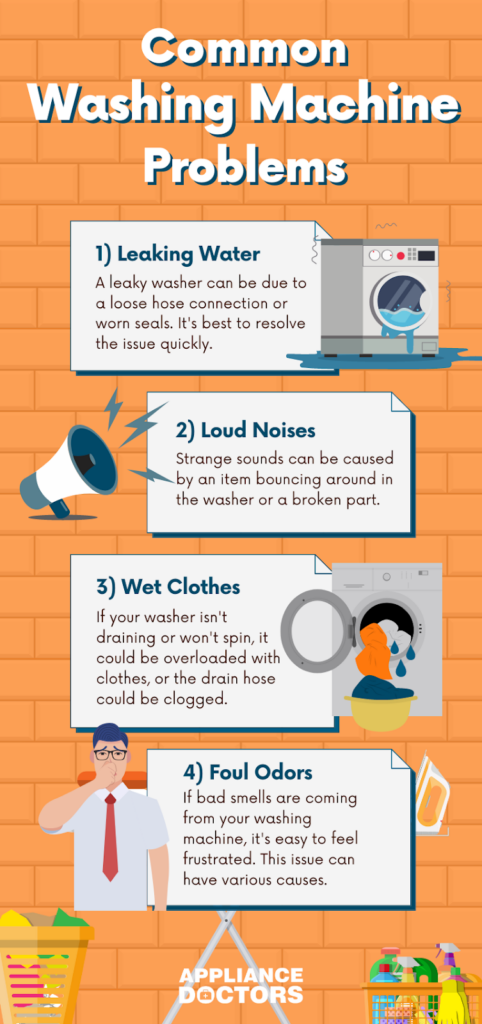
Source: appliancedoctors.ky
Source: www.youtube.com
Source: www.aslobcomesclean.com
Frequently Asked Questions
Why does my washing machine smell bad even after cleaning?
Persistent odors often come from hidden mold in door gaskets, clogged filters, or stagnant water trapped in drainage pipes. A more thorough cleaning or professional inspection may be needed.
How often should I clean my washing machine to prevent smells?
Monthly deep cleaning is ideal for frequent users. Occasional users can clean every two months, focusing on detergent compartments, seals, and filters.
Can using too much detergent cause bad odors?
Yes, excess detergent leads to residue that traps dirt and moisture, fostering bacterial growth and resulting in unpleasant smells.
Is it better to leave the washing machine door open or closed after a wash?
Leaving the door open allows the inside to dry out, which prevents mold and mildew and reduces bad smells.
Do top-loading washing machines smell less than front-loaders?
Usually, yes. Top-loaders don’t have airtight seals like front-loaders, allowing moisture to evaporate more easily, thus lessening odors.
Can I use commercial washing machine cleaners instead of homemade remedies?
Yes, commercial cleaners are effective but often more costly. Homemade remedies like vinegar and baking soda are safe, affordable, and environmentally friendly options.
What maintenance should I do to keep my washing machine smelling fresh year-round?
Regularly clean seals, filters, and detergent drawers, use appropriate detergents, leave the door ajar after use, and run hot cycles monthly to keep odors at bay.

Mary Snodgrass oversees all content at WashingMachineCare.com with a keen eye for detail and consumer advocacy. Spending over a decade in appliance retail management, he knows the industry tricks and which brands actually stand the test of time. Mary Snodgrass buying guides help readers navigate confusing spec sheets to find the perfect washer for their household needs and budget.