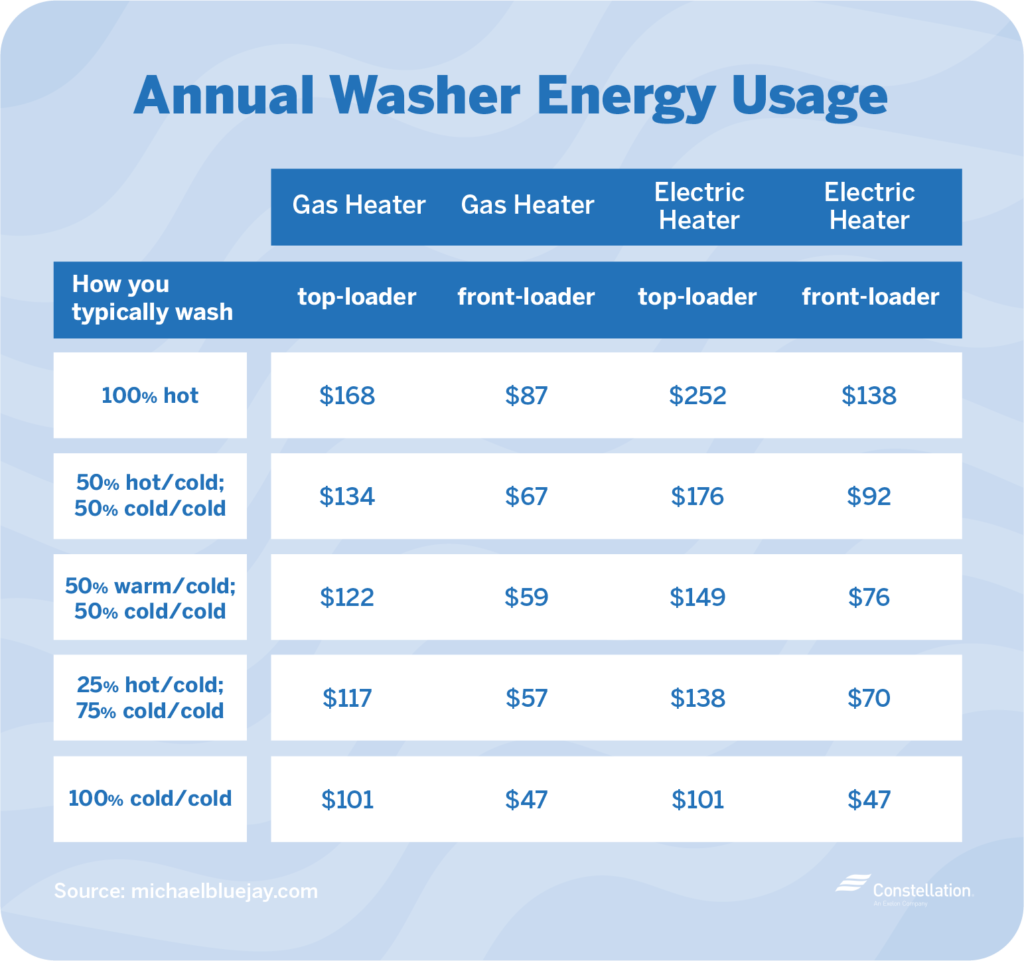
Ever wondered how much power does a washing machine use and why your energy bill seems to jump every laundry day? Let’s pull back the curtain. Washing machines, standard or high-efficiency, gulp electricity variably based on size, age, and most importantly—the wash cycle you pick. But don’t sweat — we’ll cut through the fluff and tell you exactly what burns watts, why it matters, and how you can start saving coins while still rocking clean clothes.🚀
Why Does Washing Machine Power Use Matter?
Electricity isn’t infinite, and in 2026, with rising energy costs, understanding how your washing machine consumes power is no longer just curiosity—it’s survival. You can use this knowledge to trim back that electric monster and keep your household budget intact.
What Factors Influence Power Consumption?
- Machine type: Front-loaders often use less water and energy than top-loaders.
- Wash cycle: Hot water settings spike power use drastically compared to cold washes.
- Load size: Overloading leads to prolonged cycles and wasted energy.
- Age and model: Older models tend to be less efficient.
Breaking Down Power Use: Watts, kWh, and Costs
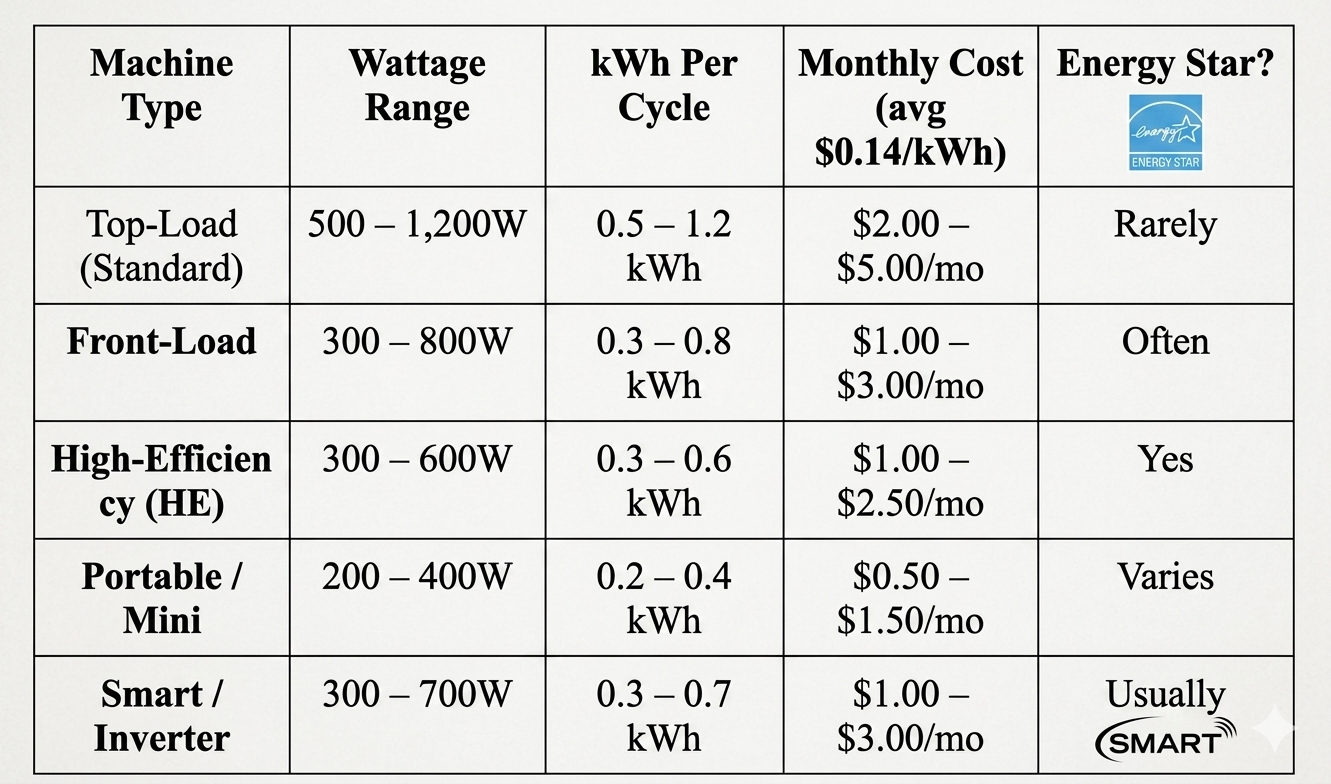
Power runs a machine by wattage, but what really hits wallets is kilowatt-hour (kWh)—the electricity volume you’re actually charged for. If your washer pulls 1000 watts during a cycle lasting an hour, it consumes 1 kWh. Keep track of that because multiplying it across many loads per week reveals quite the power appetite! Here’s a detailed look at typical power draws:
| Washing Machine Type | Typical Wattage | Average Cycle Time | Estimated kWh Use |
|---|---|---|---|
| Front-loading | 350-500 W | 45-60 mins | 0.26 – 0.5 kWh |
| Top-loading | 500-1300 W | 30-45 mins | 0.25 – 0.98 kWh |
Check out this breakdown – knowing your machine’s wattage goes beyond labels. You want to tie it to actual practices and wash frequency to estimate your true impact on the monthly bill.
Energy-Efficient Habits To Trim Your Laundry Costs
- Wash with cold water whenever possible — it reduces energy consumed to heat water drastically.
- Run full but not overloaded cycles to maximize energy efficiency.
- Prefer eco or quick wash modes for lightly soiled clothes.
- Maintain your machine properly to keep energy use low.
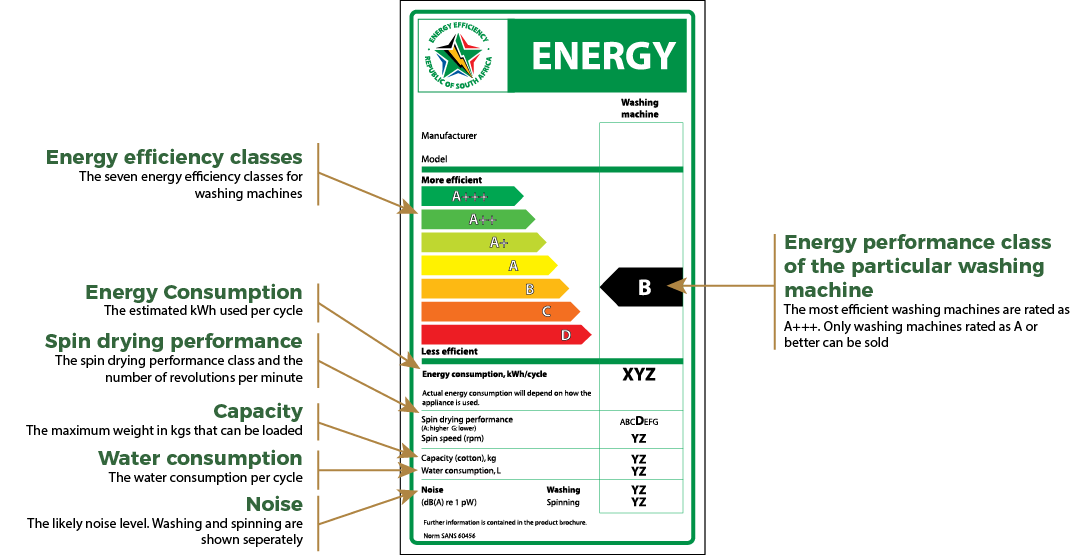
- Invest in energy star-rated washers if you need an upgrade.
Calculating Your Washing Machine’s Energy Usage
Want to size up how much your specific model eats in power? Here’s a simple way:
- Find the wattage on your machine’s label or manual.
- Estimate the average cycle duration in hours.
- Multiply wattage by cycle time to get watt-hours.
- Divide by 1000 to convert watt-hours to kWh.
- Multiply kWh by your local electricity rate to see the cost per wash.
When Does Power Usage Spike?
Heating water? That’s the main culprit. A wash setting at 60°C can double or triple energy use compared to cold cycles. Spinning also varies; high spin speeds drain more power but reduce drying time afterward, which might save indirect energy on dryers.
To get a solid grasp on these energy drains, check out this deep dive from EnergySage explaining wattage data for washers. It’s brutally thorough and real-world tested in 2026.
DIY Troubleshooting & Maintenance To Keep Power Use Low
Ever noticed that your laundry session takes longer or your bills spike randomly? Your washing machine might be struggling behind the scenes. Here are some quick fixes you can try before calling a pro:
- Clean the lint filter and pump regularly to avoid blockages.
- Check hoses and pipes for leaks that cause inefficiency.
- Level the machine to reduce vibrations that waste energy.
- Run maintenance wash cycles monthly to keep inner parts clean.
If problems persist beyond these tips, it’s smarter to get a professional for safe diagnostics. Messing with some parts might void the warranty or cause further damage.
Emerging Tech in Washing Machines and The Future of Power Consumption
In 2026, washers are smarter, greener beasts. Models with AI sensors adjust water and power based on load real-time, reducing waste. Some connect with smart grids to operate during off-peak hours, slashing energy bills and environmental impact.
Consider models with inverter motors, which consume far less power than traditional ones due to variable speed drives.
To stay on the cutting edge, read this comprehensive overview on washing machine wattage from EcoFlow’s energy experts: energy.ecoflow.com washing machine wattage guide.
Choosing The Right Washing Machine For Your Energy Budget
Not all washers are born equal. If saving power is your priority, here’s what to hunt for when buying:
- Energy Star certification for guaranteed efficiency standards.
- Front-loaders tend to use less water and energy.
- Inverter motors for variable speed and lower energy draw.
- Multiple eco-friendly cycles to customize wash according to dirt level.
Understand the trade-offs too. Sometimes, machines with ultra-quick cycles use spikes of power but save water and time. Know your priorities!
Hidden Energy Drainers In Your Laundry Routine
Beware the sneaky energy users. Like leaving the door open to dry out your washer or running too many partial loads. Such habits push your power use sky-high unnoticed.
Pay attention to your laundry schedule to cluster loads smartly. That way, maintenance days become power savings days.
Low Power Mode And Cold Wash Benefits
Cold water washes have revolutionized laundry impact on power bills. They avoid heater spikes and have nearly equivalent stain-fighting performance when you use quality detergents.
Many new machines offer dedicated low power or eco modes, ensuring laundry gets done with a fraction of usual wattage.
Eco-conscious friends swear by these tricks; they report big dips in monthly electricity from just a few habit tweaks.
Is Solar Power An Option?
Those with solar panels can offset laundry loads more than ever. Washing machines can be timed to run during peak solar generation, significantly reducing grid dependency.
For those curious about the synergy of solar setups and appliances power, a useful primer is found at A1 Solar Store explaining energy usage with solar: clean data on washing machine watt usage.
Summing Up Your Energy-Saving Laundry Game Plan
- Understand your specific washing machine’s power profile.
- Prefer cold water and eco-wash cycles for normal loads.
- Keep your machine maintained and leak-free.
- Load laundry fully but don’t cram it.
- Consider upgrading to energy-efficient models smartly.
- Use timing tricks or solar power where possible.
For the ultimate expert dive on washing machine efficiency and power, VToman.com offers an in-depth energy guide you can’t miss: washing machine energy consumption guide.
 "How Much Power Does A Washing Machine Use 2")
Source: www.energysage.com
Source: www.savingenergy.org.za
Source: bynext.co
Frequently Asked Questions
What is the average power consumption of a washing machine per cycle?
Typically, a washing machine consumes between 0.3 to 2 kWh per cycle depending on machine type, cycle selected, and water temperature.
Do front-loading machines use less power than top-loading ones?
Yes, front-loaders generally use less water and electricity per load compared to traditional top-loaders due to more efficient drum rotation and water usage.
How much energy does heating water consume in washing machines?
Heating water is the largest energy consumer in most washers, sometimes accounting for more than 90% of the electricity used during a hot wash cycle.
Can using cold water cycles significantly reduce power usage?
Absolutely, cold water cycles avoid the energy cost of heating water, dramatically cutting power use while still providing effective cleaning with proper detergents.
What maintenance keeps a washing machine energy efficient?
Regularly cleaning filters, ensuring no leaks, leveling the machine, and running maintenance washes keep energy consumption low and performance optimized.
Is investing in an energy star-rated washing machine worth it?
In the long run, yes. These models meet strict energy efficiency standards, lowering electricity consumption and reducing operational costs over their lifetime.
How can solar power help reduce the electricity used by washing machines?
Solar power can offset washing machine electricity use by running cycles during peak solar production hours, reducing reliance on grid electricity and costs.

With over 15 years of hands-on experience in the appliance repair industry, Erick Jackson is WashingMachineCare’s resident gearhead. He holds multiple manufacturer certifications and specializes in breaking down complex mechanical failures into easy, step-by-step DIY fixes. When he’s not covered in grease, Erick Jackson enjoys restoring vintage washing machines to their former glory.