Ever tossed a hefty quilt in the washing machine only to regret it? Can you wash a quilt in a washing machine without wrecking it? It’s a gamble that many face. Let’s unpack it. 🚀
Starting with the basics, washing quilts in a machine depends hugely on the quilt’s material and machine capacity. Think about granny’s handmade patchwork quilt—the delicate stitching might not survive a rough wash cycle. For starters, check the care label. It’s the quilt’s personal guide to life. Some modern quilts can take a machine wash, but the fabrics vary wildly: cotton, polyester, blends, or even silk.
• Quilts require gentle care.
• Washing machines must hold the quilt loosely.
• Use cold or warm water for safest results.
• Avoid harsh detergents.
• Air dry to retain quilt shape.
Understanding Quilt Types and Their Washing Needs
Quilts come in various shapes and stitching techniques. Here’s the kicker: older, antique quilts are way more delicate than newer, mass-produced ones. Here’s a quick rundown:
- Handmade Quilts: Usually need dry cleaning or very gentle hand washing.
- Machine Quilts: Often machine washable on delicate cycles.
- Fabric Types: Cotton quilts tolerate washing better than silks or blends with delicate fibers.
Knowing your quilt’s makeup saves you a ruined heirloom—or a laundry disaster.
Can Your Washing Machine Handle the Quilt?
It’s not just the quilt; your machine matters equally. Front-load washers usually handle quilts better thanks to their gentle tumbling action compared to agitator-based top-loaders.
Pro tip: If your quilt barely fits, it’s a no-go. Overcrowding causes uneven cleaning and fabric strain.
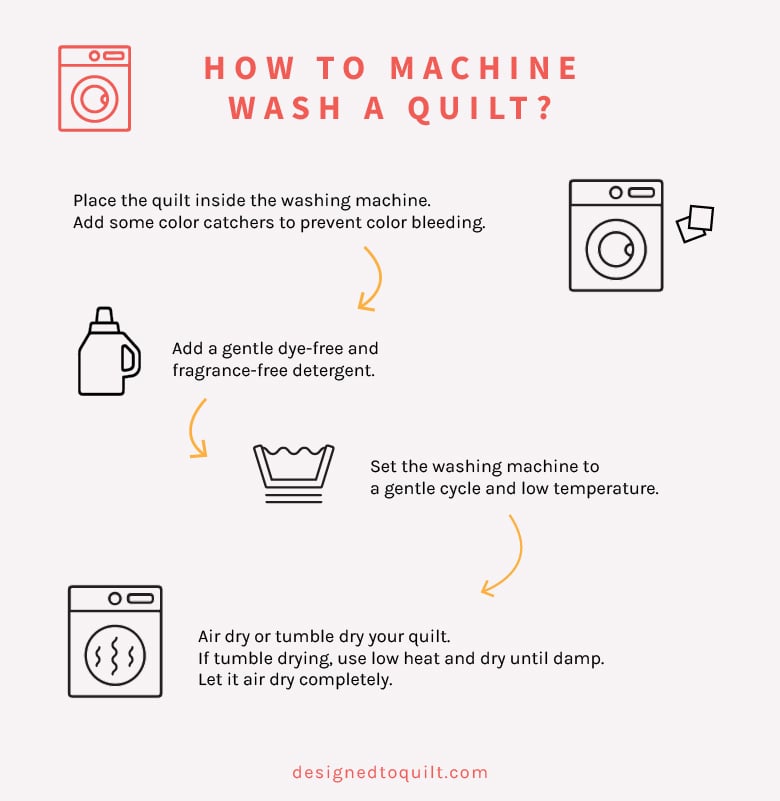
Step-By-Step Guide: How to Safely Wash Your Quilt in a Machine
- Read the quilt’s care instructions carefully.
- Use a large-capacity washing machine (preferably front-load).
- Secure any loose threads or missing stitches beforehand.
- Choose a gentle cycle with cold or lukewarm water.
- Use mild detergent designed for delicate fabrics.
- Avoid bleach or fabric softeners.
- After washing, remove promptly to minimize wrinkles.
- Air dry flat or hang carefully; avoid direct sunlight.
What Detergents Work Best for Quilts?
Not all detergents are quilt-friendly. Skip the harsh stuff—the abrasive chemicals can wear down fabrics and fade colors. Instead, opt for mild, hypoallergenic detergents without optical brighteners to maintain the fabric’s integrity.
🚀 This isn’t just theory. A laundromat owner on 7th Avenue once told me they’ve seen countless ruined quilts from using vigorous detergents and hot water. Details matter.
Preventing Common Washing Mistakes
- Never wring out a wet quilt; it damages stitching.
- Avoid high heat settings in wash and dry cycles.
- Wash bulky quilts separately—mixed loads cause damage.
- Use gentle spin cycles to reduce fabric strain.
- Always keep an eye for colorfastness before washing.
Alternative Cleaning Methods for Quilts
Sometimes machine washing isn’t the answer. Think about professional dry cleaning for antiques or heavily soiled blankets. Spot cleaning and airing out can extend fresh wear without risking damage.
Expert Insight: “When in doubt, air it out,” says Helen, a quilt restorer in Minneapolis. “Sunlight and fresh air do wonders for freshness without risking your family heirloom.” 💬
Signs Your Quilt Needs Professional Attention
If you notice loose threads, fading, color bleeding, or if the quilt is hand-stitched, it’s time to ring up a professional cleaner. Attempting a machine wash could lead to irreparable damage.
For reliable advice on quilt care, you can visit authoritative sites that detail step-by-step washing and maintenance tips such as Casper’s guide on quilt washing. It’s a goldmine of specific info.
Drying Your Quilt Post-Wash: Do’s and Don’ts
- Do lay the quilt flat on a drying rack.
- Don’t use a high-heat dryer cycle — it shrinks fabrics.
- Do smooth out lumps to maintain shape.
- Don’t hang over a thin rod; the weight can stretch the quilt out.
Maintenance Tips To Prolong Quilt Life
Beyond washing, regular maintenance keeps your quilt cozy and intact. Rotate its use, air it regularly, and store in breathable fabrics when not in use.
If washing in 2026, keep up with latest care advances. For practical, hands-on demonstrative advice, check Blue Dahlia’s tips on machine-washing quilts.
• Patience in quilt care rewards in longevity.
• Know your machine & quilt compatibility.
• Prevent future damage with proper techniques.
How to Handle Quilt Stains Without Machine Washing
Spot treatment is queen here. Use gentle soaps and a soft brush to tackle stains. This minimizes the need to submerge your quilt entirely, preserving both fabric and color.
When to Avoid Machine Washing Completely
If your quilt has delicate embellishments, silk layers, or is a cherished family heirloom, steer clear of the washing machine altogether. Instead, rely on professional cleaners or gentle hand washing methods documented for 2026 standards. For authoritative dry-cleaning specifics, visit Amish Country Lanes’ quilt care FAQs.
:max_bytes(150000):strip_icc()/how-to-wash-down-filled-bedding-350482-81ec2947d5144bdca738bcefa5eb1fa9.png "Can You Wash A Quilt In A Washing Machine 2")
Source: www.thespruce.com

Source: shannonfraserdesigns.ca

Source: casper.com
Frequently Asked Questions
Can all quilts be washed in a washing machine?
No. Only some machine-made quilts with sturdy fabrics can be washed safely at home. Handmade or antique quilts usually require special care.
What water temperature is ideal for washing quilts?
Cold or lukewarm water is best to preserve fabric and color, avoiding shrinkage and damage.
Is it safe to dry quilts in a dryer machine?
Generally, air drying is preferred. If using a dryer, choose a low-heat or air fluff setting to prevent shrinkage.
How often should quilts be washed?
Washing once or twice a year is sufficient, depending on usage and exposure to dirt.
Can washing damage quilt stitching?
Yes, harsh cycles or improper handling can loosen or break stitches, especially in antiques.
What detergent is recommended for quilt washing?
Use mild, gentle detergents free from bleach and optical brighteners to maintain fabrics safely.
When should I seek professional quilt cleaning?
If the quilt is antique, heavily stained, or has delicate decorations, professional cleaners are recommended.

Lonnie Clarke believes that taking care of your washing machine starts with what you put into it. As a former textile quality controller, she understands exactly how different fabrics, water temperatures, and detergents interact with your appliance’s drum. She writes our comprehensive guides on preventing mold, choosing the right cycles, and extending the life of your clothes.