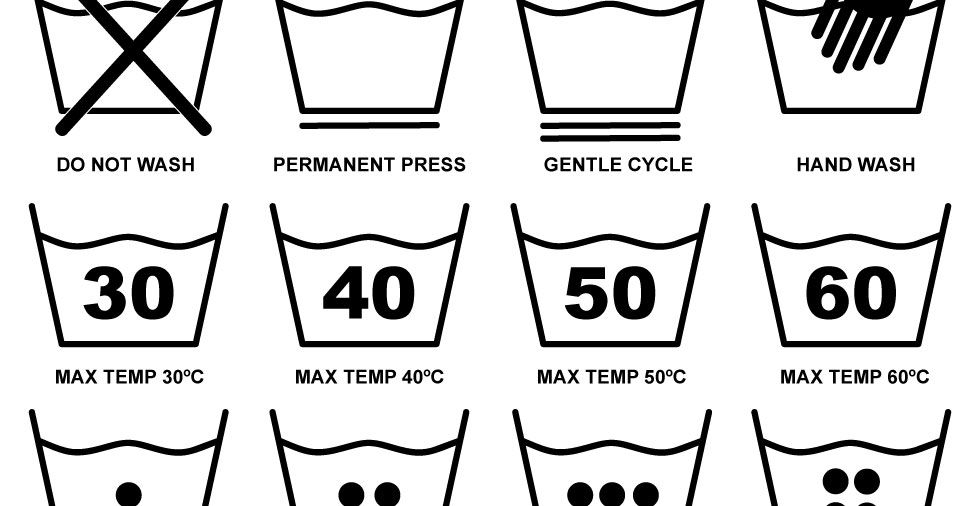
Ever pulled a fresh load of laundry out of the machine only to find your whites mysteriously pink or your favorite shirt faded? That’s the perils of ignoring those cryptic tags like ‘machine wash separately.’ So, what does machine wash separately mean, and why is it shouted (well, quietly printed) on so many labels? Let’s break it down and save your wardrobe from chaos.
Breaking Down the Label: What Does Machine Wash Separately Mean?
At face value, ‘machine wash separately’ screams: don’t toss that garment in with your other laundry! This instruction typically applies to items that can bleed color, such as dark or bright shades, or delicate fabrics prone to damage. It demands running a cycle with only that item or similar colors to stop dyes from mingling like awkward party guests.
Why Does Washing Separately Matter?
- Color Bleeding Prevention: Freshly dyed clothes can leak color during washing, ruining lighter fabrics.
- Fabric Protection: Some delicate or textured fabrics snag or pill when washed with rough garments.
- Maintaining Fabric Quality: Avoids premature fading or wear by controlling wash environment.
Which Clothes Need Machine Washing Separately?
Think of that bright red hoodie you bought impulsively last season or the navy blue jeans that scream for attention. These clothes are the usual suspects needing a solo wash session.
- Dark or Vibrant Clothes: Reds, blues, blacks often bleed dye.
- New Garments: They’re notorious for initial color release.
- Delicate Fabrics: Lace, silk, and some synthetics.
- Items With Special Finishes: Metallic prints, embellishments, or unique textures.
🚀 Expert Insight: Always check tags before mixing colors. That unexpected faded beloved shirt is costly in regret.
How To Machine Wash Separately Properly
- Sort your laundry carefully based on color and fabric.
- Pre-treat stains to avoid overloading the washer with extra wear.
- Use cold water to reduce dye release and fabric stress.
- Select gentle or appropriate wash cycles matching fabric types.
- Use mild detergent designed for colors or delicates.
- Avoid overloading the washing machine to ensure thorough cleaning.
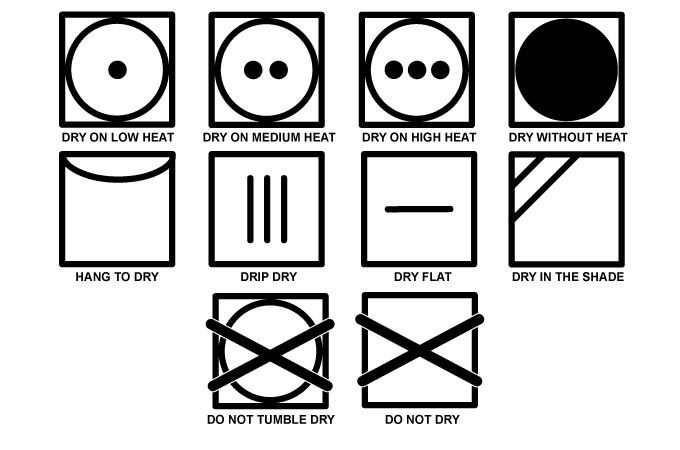
- Air dry or tumble dry on low heat as instructed.
If you want clear step-by-step tips with visuals, this guide on separating laundry effectively is absolutely worth checking out.
Common Mistakes When Ignoring Machine Wash Separately Instructions
- Mixing bright dyes can cause permanent clothing stains.
- Washing delicate fabrics with heavy items leads to damage.
- Using hot water causes more significant dye bleeding and wear.
- Overloading machines reduces movement, leading to uneven cleaning and fabric stress.
Signs Your Clothes Need to Be Washed Separately
If you notice any of these signs, segregate those clothes next laundry day!
- New clothes releasing dye during first wash.
- Unusual fading or change in fabric texture after washing.
- Staining of clothes after washing with other colors.
- Unusual pilling or snags post-wash.
When to Ditch DIY Washing and Seek Professional Laundry Care
Some fabrics are so finicky even experts give them special treatment, like dry cleaning. High-value or delicate textiles with ‘machine wash separately’ should sometimes skip the DIY and hit professional services to avoid irreversible damage. This includes:
- Silk garments with bright colors.
- Heavy embroidery or sequins.
- Delicate lace or vintage textiles.
- Items labeled dry clean only combined with separate wash instructions.
Safety and Fabric Care Tips
- Always double-check the care labels before washing.
- Use color-catcher sheets as an extra defense for mixed loads.
- Regularly clean your washing machine to prevent residue buildup affecting fabrics.
- Check your washer’s manual for cycle recommendations.
For more context on why laundry separation rules matter and how to implement these without hassle, the detailed article on when and how to wash laundry items separately gives practical, real-life advice worth bookmarking.
Our Final Word on What Does Machine Wash Separately Mean
Now you know—when a label says machine wash separately, it’s not just laundry lingo fluff. It’s a non-negotiable command aimed at preventing color disasters, fabric ruin, and costly replacements. Treat those garments right by washing them solo or with similar colors and fabrics. The payoff? Longer-lasting wardrobe favorites, spotless colors, and peace of mind whenever you load that washing machine. ❤

Source: spousescleaninghouses.com
Source: experthometips.com
Frequently Asked Questions
Why do some clothes require machine washing separately?
Clothes that can bleed dye, new garments, or delicate fabrics need washing separately to prevent color transfer and fabric damage.
Can I wash dark and light clothes together if they say machine wash separately?
No. Mixing them risks color bleeding and fabric damage. Always separate by color intensity and fabric type.
Is cold water better for clothes that need to be washed separately?
Yes, cold water reduces dye bleeding and fabric wear, making it ideal for washing such clothes separately.
What if I accidentally wash clothes that require separate washing together?
You might notice color transfer or fabric damage. To minimize issues, rewash immediately with cold water or use color catcher sheets.
Are there any alternatives to washing separately if I’m in a rush?
Using color catcher sheets or pre-washing new clothes separately before mixing them can help, but following care labels is always safest.
When should I seek professional cleaning for items labeled machine wash separately?
For costly, delicate, or embellished items, or if the label combines separate washing with dry clean instructions, professional care is advised.
How do I know if a new garment will bleed color?
You can test by dampening a hidden seam and pressing a white cloth over it. If color transfers, wash separately.

Mary Snodgrass oversees all content at WashingMachineCare.com with a keen eye for detail and consumer advocacy. Spending over a decade in appliance retail management, he knows the industry tricks and which brands actually stand the test of time. Mary Snodgrass buying guides help readers navigate confusing spec sheets to find the perfect washer for their household needs and budget.