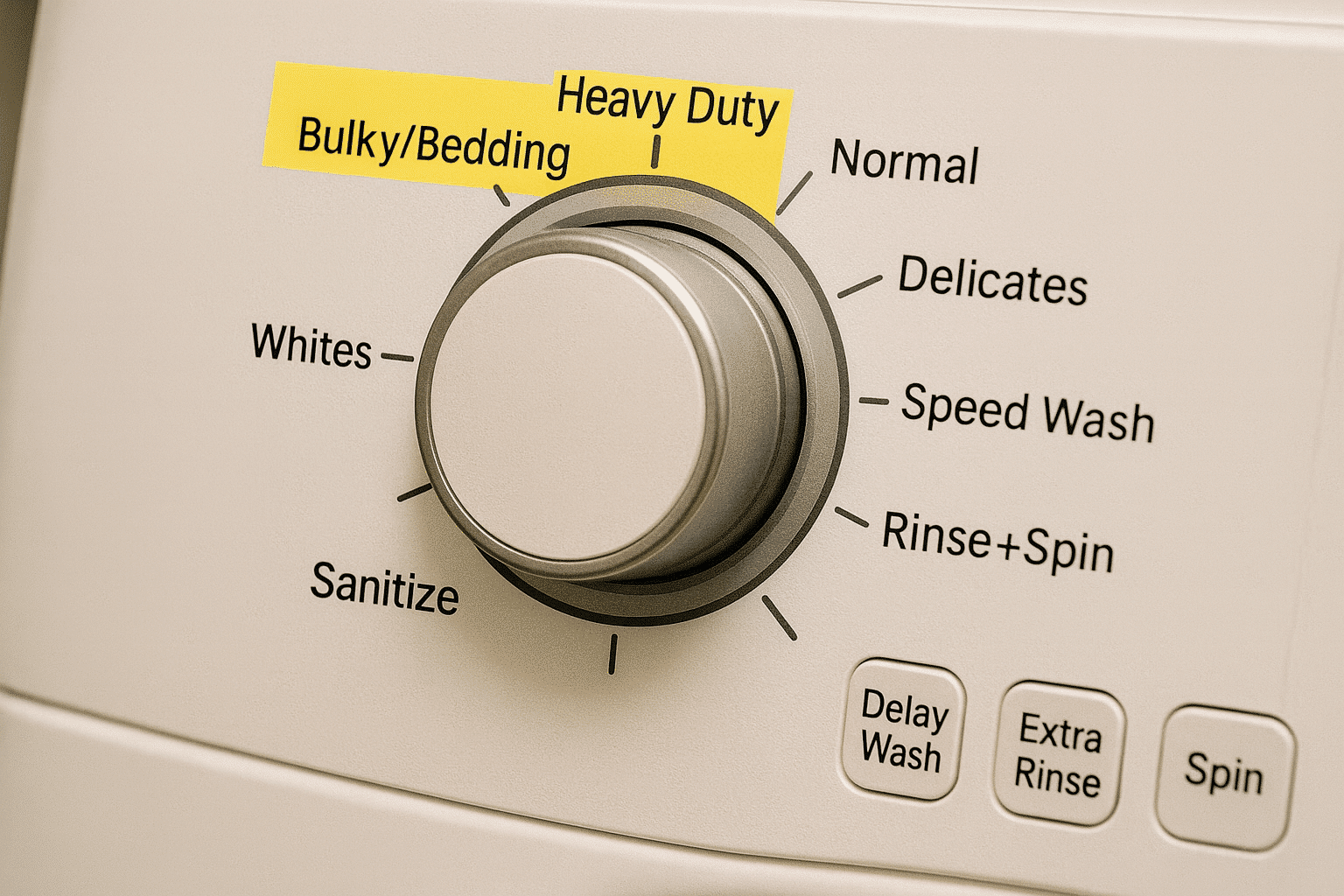
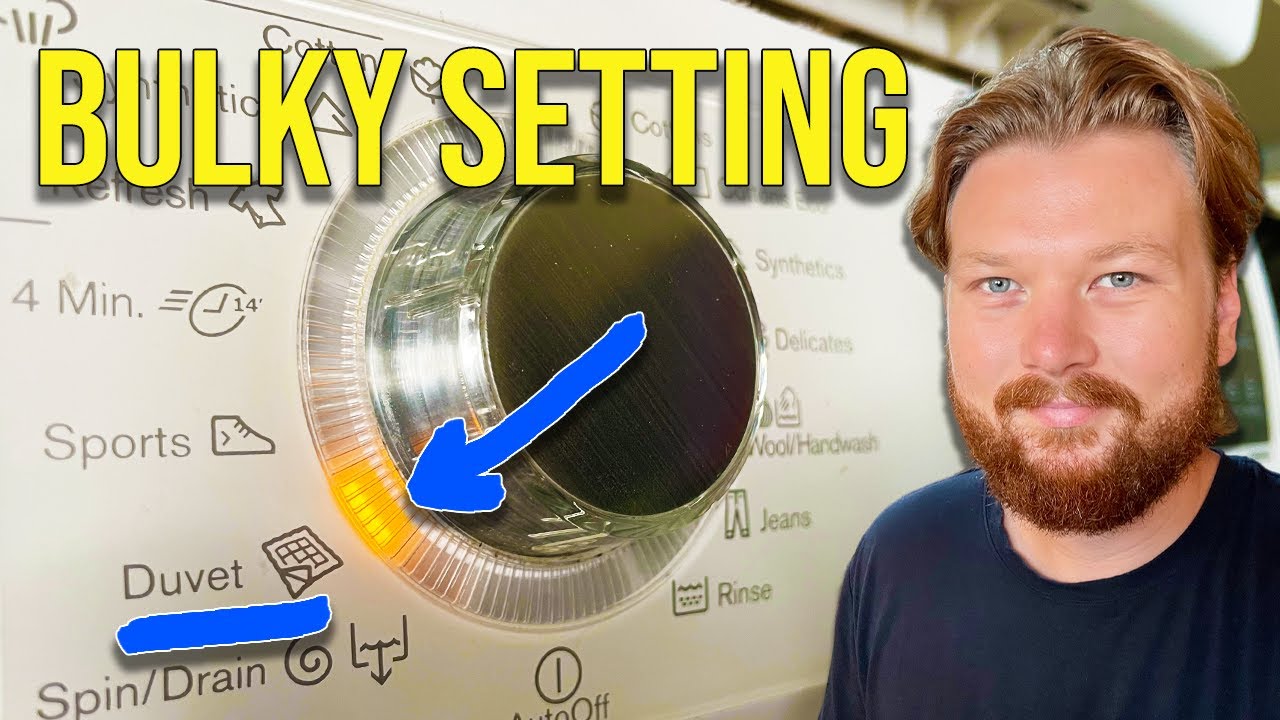
Ever stared at your washing machine panel, confused about the “bulky items” setting and wondered, “What does bulky items mean on a washing machine?” Those are the hefty blankets, big comforters, and plush rugs that won’t fit into a usual cycle. This setting adjusts the drum’s movement and water level to handle these oversized, oddly shaped items without damaging your machine or the fabric.
Understanding Bulky Items in Your Washer
Bulky items aren’t just big—they’re dense, hefty, and can imbalance your machine if washed on a standard cycle. Think of your washing machine drum like a dance floor. Standard clothes move fluidly, but bulky items are like giant dancers taking up all the space, needing special choreography. This “bulky items” cycle is designed exactly for that dance.
Common Bulky Items
- Comforters and duvets
- Heavy blankets and throws
- Large pillows and cushions
- Rugs and mats
- Winter coats and sleeping bags
Why Normal Wash Cycles Don’t Cut It
Normal cycles spin fast and use less water, designed for regularly sized laundry. Bulky loads need slower agitation to prevent fabric wear, a balance to avoid washer imbalance errors, and more water to saturate the entire item evenly. Ignoring this setting risks damaging your washer or ending with a half-clean mess.
Technical Differences in the Bulky Items Cycle
The bulky items mode customizes these key washer aspects:
- Water Level: Increased to soak dense fabric fully.
- Cycling Time: Longer wash times for deep cleaning.
- Spin Speed: Slower, to minimize tangling and strain.
- Rinse Cycles: Often doubled to remove detergent residues.
How Sensors Help
Modern washers use load sensors to detect imbalance from bulky items and adjust drum motion accordingly, preventing washer damage or shutdown mid-cycle.
Ready to try washing your bulky comforter? Here’s a detailed, easy checklist:
- Clear the label for washing instructions on the item.
- Distribute the bulky item evenly in the drum.
- Select the “Bulky Items” or “Bedding” cycle on your washer.
- Choose a gentle detergent suitable for heavy fabrics.
- Use warm or cold water depending on fabric care labels.
- Do not overload with multiple bulky items at once.
Safety and Maintenance When Washing Bulky Items
Bulky laundry is a hefty challenge. You’re forcing your machine to move heavy loads, so regular maintenance is non-negotiable. Check hoses, clean filters often, and avoid overstuffing.
Tips to Protect Your Washing Machine
- Never fill beyond recommended capacity in bulky mode
- Use appropriate high-efficiency detergents
- Run washer cleaning cycles periodically
- Balance heavy fabrics with lighter towels if allowed
Common Mistakes to Avoid with Bulky Loads
- Using regular quick cycles leading to incomplete cleaning or damage.
- Forgetting to zip or fasten items like sleeping bags causing tangling.
- Washing items labeled “dry clean only” in bulky volume.
- Neglecting to check washer drum size versus bulky item dimensions.
When to Call a Professional
If your washer frequently shows error codes or jams during bulky cycles, it’s time to get pro help. Techs can inspect load sensors, spin motors, and balancing mechanisms. DIY can only go so far when machine parts wear from excessive bulky loads.
Bulky items washing is all about balance—literally and figuratively. Knowing what the bulky items setting means keeps your laundry day smooth and your machine happy long-term. That’s the bottom line to keep your linens fresh and machines humming in 2026 and beyond.
For detailed tips and specific washer models, check Whirlpool’s expert advice on washing large loads safely, which includes bulky textiles handling guidance: Whirlpool Washing Large Loads Guide.
Source: spincyclelaundrychicago.com
Source: home-tech.com
Source: www.youtube.com
Frequently Asked Questions
What types of laundry qualify as bulky items?
Bulky items are large, dense fabric items like comforters, heavy blankets, pillows, rugs, and large coats that need special care during washing due to their size and weight.
Can I wash bulky items in any washing machine?
Not all washing machines handle bulky items well. Front-loaders with a bulky or bedding cycle are best. Check your washer’s manual for load size limits and special cycle availability.
What happens if I wash bulky items on a normal cycle?
Using normal cycles may not clean bulky items properly, can cause washer imbalance, and increase wear on both your washer and the fabrics, risking damage or an error shutdown.
How often should bulky items be washed?
Wash bulky items like comforters only when necessary to avoid fabric wear, typically 2-3 times a year or as recommended by care labels.
Is it better to hand wash or machine wash bulky items?
Machine washing on a bulky items cycle is usually safer and more effective than hand washing bulky items, which can be labor-intensive and less thorough.
Are special detergents needed for bulky items?
Use high-efficiency, gentle detergents suited for large fabrics to avoid residues and fabric damage during bulky cycles.

Lonnie Clarke believes that taking care of your washing machine starts with what you put into it. As a former textile quality controller, she understands exactly how different fabrics, water temperatures, and detergents interact with your appliance’s drum. She writes our comprehensive guides on preventing mold, choosing the right cycles, and extending the life of your clothes.