Ever thrown your comforter into the washer hoping it’d come out fresh and fluffy? How To Wash A Comforter In A Washing Machine might sound simple, but it actually demands some know-how if you want to avoid disaster. Picture this: you toss your huge, puffy comforter into a cramped washing machine, and when the cycle ends, you find a soggy, unevenly cleaned mess ready to take forever to dry. Not fun, right? Let’s dodge that nightmare.
First off, not all washing machines are created equal. Front-loaders tend to be gentler and better at handling bulky loads like comforters, while top-loaders might struggle with the size and weight. Before starting, check your comforter’s care label. It often gives the essential dosage of detergent, water temperature, and whether machine washing is safe. Skip the guesswork by consulting expert advice like Consumer Reports’ guide on washing comforters.
Preparing Your Comforter For The Wash
Before anything else, you gotta inspect your comforter for stains and tears. Stains need pre-treatment with a mild stain remover or gentle soap rubbed in carefully. Remember, rubbing briskly with harsh chemicals could harm the fabric.
Now, unzip any duvet covers or detachable parts and wash them separately. This makes sure your comforter gets a thorough rinse without extra textiles messing up the cycle balance.
Right Detergent And Settings Matter
Use a mild liquid detergent that’s free of bleach or brighteners. They’re tough on fibers and fillers especially if it’s a down comforter. Avoid fabric softeners; they can clump the insulation.
Set your machine to a gentle or delicate cycle using cold or warm water — hot water risks shrinking or damaging the fabric.
How To Load Your Comforter
Don’t cram it in. Your comforter needs enough room to tumble freely. Overloading the machine will cause uneven washing and increase wear and tear by rubbing too much against drum surfaces.
If your washer seems too tight, try splitting comforters into two loads, or head to a laundromat with commercial machines. Better safe than sorry.
Helpful Washing Tips
- Run an extra rinse cycle to clear detergent.
- Balance the load with tennis balls or dryer balls to keep fluffiness.
- Check for soap residue spots after washing.
💬 “Imagine your comforter as a delicate cloud rather than a rock. Treat it softly and it’ll keep you warm, else it turns heavy and sad.” – Laundry pro, Maddie
Drying Your Comforter Efficiently
After washing, drying is crucial. How To Wash A Comforter In A Washing Machine means you also have to know how to dry it properly.
Use a large dryer on low heat or air fluff setting to avoid melting synthetic fibers or shrinking down feathers. Adding clean tennis balls or dryer balls helps prevent clumping inside, redistributing the filling evenly. Loud tumbling noises? Don’t panic—this is normal when the balls bounce around.
If air drying, lay flat on a clean surface in a breezy, shaded area. Flip it every few hours so moisture doesn’t settle unevenly.
Signs The Comforter Is Not Fully Dry
- Cold or damp spots inside.
- Heavier-than-usual weight.
- Musty smell.
If any of these appear, toss it back for additional drying. This prevents mold formation.
Common Washing Mistakes To Avoid
Watch out for these pitfalls:
- Using hot water or harsh detergents.
- Overfilling the washer.
- Skipping stain pre-treatment.
- Insufficient drying.
- Ignoring care label instructions.
Follow these, otherwise expect annoying wrinkles, damage, or even balls of damp stuffing.
For ultimate peace of mind, experts like Martha Stewart’s tutorial remind us that not every comforter fits the washer. Some oversized or extra delicate types might be better off with professional cleaning.
When To Opt For Professional Cleaning
If your comforter is antique, heavily soiled, or has tricky materials (silk, wool, etc.), DIY machine washing might cause permanent damage. Pro cleaners have tools and chemicals tailored for these scenarios.
Maintaining Your Comforter’s Freshness Between Washes
- Shake it out and air it regularly (even just hanging it outside briefly).
- Use duvet covers and wash those more frequently.
- Spot clean stains immediately.
- Keep pets away if possible to reduce fur accumulation.
Summary Checklist: How To Wash A Comforter In A Washing Machine
- Check comforter care label for washing instructions.
- Treat stains and remove detachable covers.
- Select gentle detergent and mild cycle.
- Use cold or warm water based on fabric type.
- Don’t overload the washer; allow room to tumble.
- Add tennis balls in dryer to maintain loft.
- Dry thoroughly; avoid high heat settings.
- Consider professional cleaning for delicate comforters.
Following How To Wash A Comforter In A Washing Machine correctly means not only cleaner bedding but also preserving that cloud-like loft and warmth that makes your bed a retreat. No soggy lumps, no ruined fabrics, just comfort.
For extra insights, see top-load washer advice and how pros approach bulky items. Finally, users curious about routine frequency will find guidance with laundry experts’ comforter washing tips.
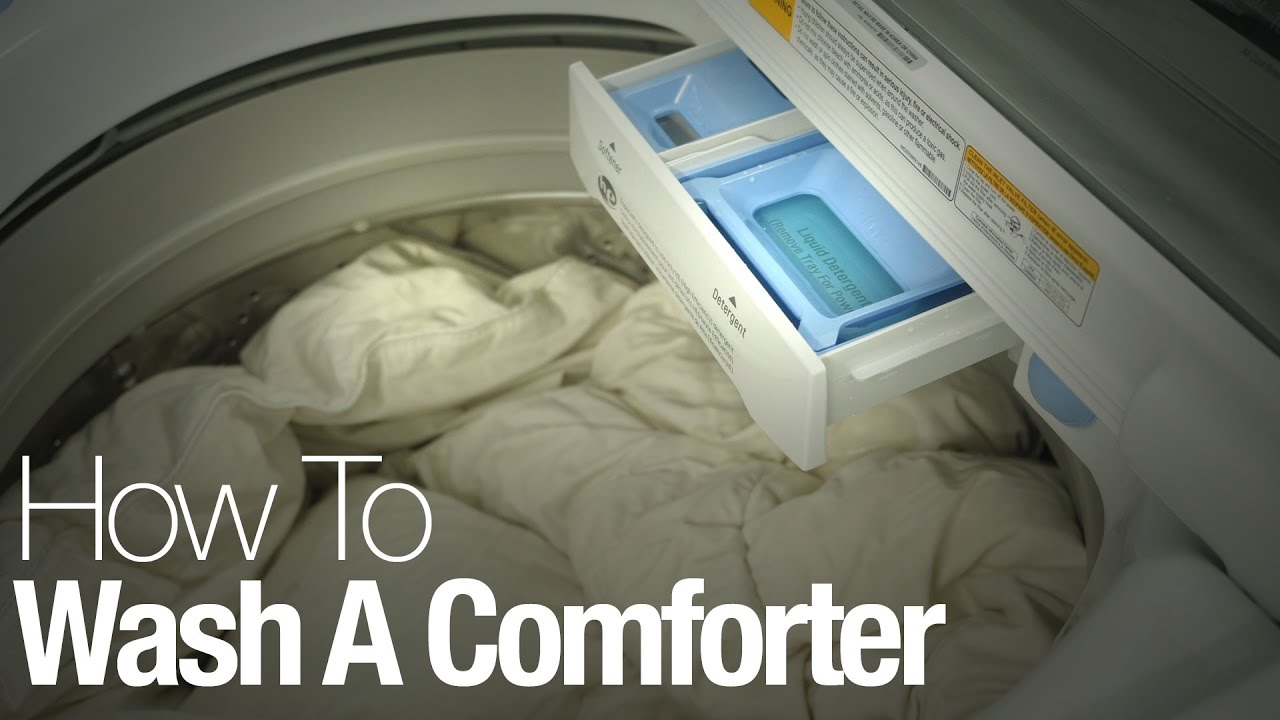
Source: www.youtube.com
:max_bytes(150000):strip_icc()/SPR-how-to-SPR-how-to-how-to-wash-a-comforter-7372304-hero-01-17b822ab448e4f9f8261b2c9d68ca0c6.jpg "How To Wash A Comforter In A Washing Machine 2")
Source: www.thespruce.com
Frequently Asked Questions
Can all comforters be washed in a washing machine?
Not all comforters are machine washable. Always check the care label. Some require dry cleaning or hand washing due to delicate fabric or filling.
Is cold or warm water better for washing a comforter?
Warm water is generally safer to prevent shrinking and damage, but always follow the fabric’s specific instructions. Cold water helps preserve color and fabric integrity.
Why should I add tennis balls to the dryer?
Tennis balls act as agitators that help fluff the comforter by redistributing filling during drying, preventing clumps and maintaining loft.
How often should I wash my comforter?
Washing every 3 to 6 months is typical, but use a duvet cover that you can wash more frequently to reduce the need for washing the comforter itself.
What if my washing machine isn’t big enough?
Consider using a commercial-sized washer at a laundromat or opt for professional cleaning services to avoid damage from overcrowding.
Can I use fabric softener when washing a comforter?
Fabric softeners can clump down or synthetic fillings and reduce loft. It’s better to avoid them when washing comforters.
How do I dry a down comforter safely?
Use low heat and dryer balls to keep the filling fluffy. Air drying flat and flipping regularly helps if using no heat.

Lonnie Clarke believes that taking care of your washing machine starts with what you put into it. As a former textile quality controller, she understands exactly how different fabrics, water temperatures, and detergents interact with your appliance’s drum. She writes our comprehensive guides on preventing mold, choosing the right cycles, and extending the life of your clothes.