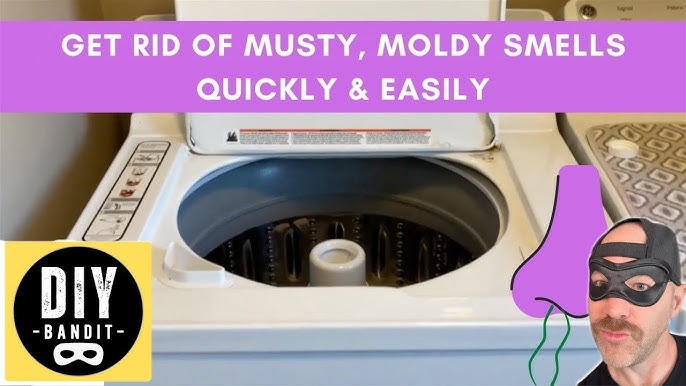
Ever opened your washing machine to a stinky surprise? Let’s jump straight into how to get rid of bad odor from washing machine before that funk sticks for good. This problem is common in 2026 with the wear and tear of machines and increased use of quick wash cycles that skip thorough rinsing. But don’t worry; your stinky washer can be rescued with a few savvy moves involving cleaning, airing, and prevention.
Bad odors usually brew because moisture gets trapped inside the drum or rubber gasket, inviting mold and mildew. Add leftover detergent residue and lint, and you’ve got a recipe for a smelly nightmare.
Understanding The Root Causes Of Odor
Mold And Mildew Growth
When your washing machine isn’t dried properly, the wet, dark environment becomes a breeding ground for mold. This fungus wins over the residual detergent and grime lurking in crevices.
Detergent Residue And Fabric Softener Buildup
Excess detergent and softeners can coat the drum and detergent drawer leading to sticky gunk that traps odor.
Clogged Drain Filters And Drainage Issues
Lint and debris blockages cause stagnant water, another stinky input. Cleaning these components is a must for freshness.
Step-By-Step How To Get Rid Of Bad Odor From Washing Machine
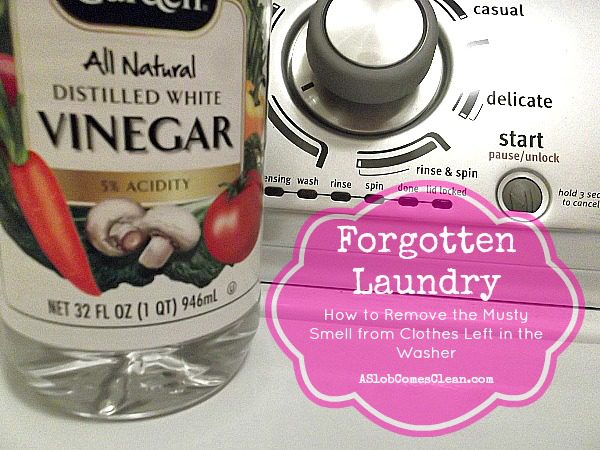
- Run A Hot Water Cleaning Cycle With Vinegar: Use two cups of white vinegar and set the washer to the hottest, longest wash cycle to break down odors and kill mold. Vinegar is a natural deodorizer and disinfectant.
- Scrub The Rubber Seals And Detergent Drawer: Use baking soda paste or diluted vinegar with a sponge to clean these hidden smelly spots. Avoid harsh chemicals that damage rubber.
- Clean The Drain Filter: Locate and clear out lint or debris blocking the drain filter. You might need your manual for exact access.
- Air Out The Washer After Use: Always leave the door and detergent drawer slightly open after a wash to allow moisture to evaporate.
- Use Appropriate Detergent Amounts: Overuse of detergent causes residue buildup. Use high-efficiency detergent if your machine requires it.
Maintenance Tips To Prevent Future Odor
- Run a cleaning cycle with vinegar once a month 🚀.
- Check and clean drain filters quarterly.
- Wipe seals dry after each wash.
- Avoid leaving wet clothes in the drum for extended periods.
- Use washing machine cleaner tablets monthly for a fresh smell.
Common Mistakes To Avoid
Many think using bleach fixes the odor; however, bleaches can damage rubber seals and cause cracks leading to deeper mold problems. Another blunder: skipping airing the drum—this locks moisture inside.
When To Call A Professional
Sometimes odor persists despite your best efforts. This could mean internal plumbing problems or malfunctioning parts. If you notice persistent moisture in unreachable parts or your machine stops draining properly, get an appliance expert. For comprehensive advice, see the official GE Appliances explanation on washing machine odors.
Extra Pro Tips For Freshness
- Use dryer sheets sparingly to avoid residue layering.
- Put a container of baking soda inside the drum overnight once a week to neutralize smells.
- Consider upgrading to washers with self-clean cycles in 2026 models.
How Different Washing Machines Affect Odor
Front-Loaders
Known for energy efficiency, but their rubber gasket traps moisture easily. Regular cleaning of seals is essential. For further info, visit this community discussion on front-load washer odors.
Top-Loaders
Less prone to odor but still need frequent drum airing. Residue buildup behind agitators can cause smells.
DIY Cleaning Products Vs Commercial Cleaners
Homemade vinegar and baking soda combo is cost-effective and less toxic but may require repeated applications. Commercial cleaners often have enzymes designed to break down soap scum but can be pricey.
Summary: How To Get Rid Of Bad Odor From Washing Machine And Keep It Fresh
Now you’re armed with the truth. Always start with cleaning cycles using vinegar and baking soda, scrub seals and drawers, clear out the drain filter, and keep the drum aired. Overusing detergent or softeners? Cut back. Bleach? Avoid it for rubber parts. Remember, the smell lingers unless you tackle the mold and moisture holding it there. Keep your machine fresh and odor-free in 2026 and beyond with these actionable hacks.
Consistent maintenance beats emergency fixes any day. For visual learners, check out this step-by-step video on cleaning your washing machine to remove bad smells. Also, consider how detergent choice impacts odor by reading valuable advice from washing machine maintenance experts.

Source: www.youtube.com
:max_bytes(150000):strip_icc()/spr-lysol-disinfectant-laundry-sanitizer-scent-booster-jocelyn-balladares-15-1-1fd62302ac654e24b87eb222c7de6aeb.jpeg "How To Get Rid Of Bad Odor From Washing Machine 3")
Source: www.thespruce.com
Source: www.aslobcomesclean.com
Frequently Asked Questions
Why does my washing machine smell bad even after cleaning?
Lingering smells often come from missed spots like rubber seals, detergent drawers, or clogged filters. Moisture trapped inside can cause persistent mold growth, so you’ll need to scrub and dry these areas thoroughly and ensure ventilation.
Can I use bleach to get rid of washing machine odors?
While bleach can kill bacteria, it can deteriorate rubber seals and cause damage leading to more odors. Vinegar is a safer, friendlier choice for cleaning and deodorizing your washer.
How often should I clean my washing machine to prevent odors?
Running a hot cleaning cycle with vinegar or a machine cleaner monthly keeps odors at bay. Quick wipe-downs of seals and drawers weekly also prevent buildup.
What causes mold buildup in washing machines?
Mold thrives in damp, dark places with leftover detergent or organic matter. Not airing out the drum and residue accumulation are main culprits facilitating mold growth inside your washer.
Is leaving the washing machine door open necessary?
Yes! Leaving the door and detergent drawer open after a wash allows moisture to evaporate, preventing mold and foul odors. Close it only once fully dry.
Are commercial washing machine cleaners more effective than DIY solutions?
Commercial cleaners contain enzymes to break down soap scum efficiently, but DIY solutions like vinegar and baking soda are effective and eco-friendly. Choose based on preference and machine condition.
Can the type of detergent affect washing machine odor?
Definitely. Using too much detergent or low-quality brands can leave residues that trap dirt and cause odor. Use high-efficiency detergents according to your washer’s instructions for best results.

Tyrone Jacobs is passionate about reducing household carbon footprints without sacrificing cleanliness. Her articles focus on high-efficiency (HE) machines, low-water washing techniques, and DIY natural machine-cleaning solutions. If you want to lower your utility bills and keep harsh chemicals out of your drain hoses, Tyrone Jacobs is your go-to expert.