
Ever stood staring blankly at your washing machine wondering, does all washing machines have filters? That tiny, overlooked part might seem insignificant, but it’s the unsung hero saving your machine from chaos. Some machines don’t have traditional filters, but every washer battles lint, dirt, and debris—that stuff has to go somewhere! Knowing which ones have filters and how to keep them clean is not just smart; it’s mandatory for smooth laundry days. Let’s crack open this subject, no guessing, straight talk.
Filters, in the washing world, trap lint and prevent it from clogging the pump or drainage system. Front loaders and top loaders sometimes differ in how and where these filter systems are placed or if they’re even separate parts. A few models use lint traps inside the drum or rely solely on the spin cycle to flush lint away. But don’t assume yours doesn’t need care—poor maintenance leads to drains clogged with gunk, floods, or weird noises that make you regret laundry day.
How Filters Work in Washing Machines
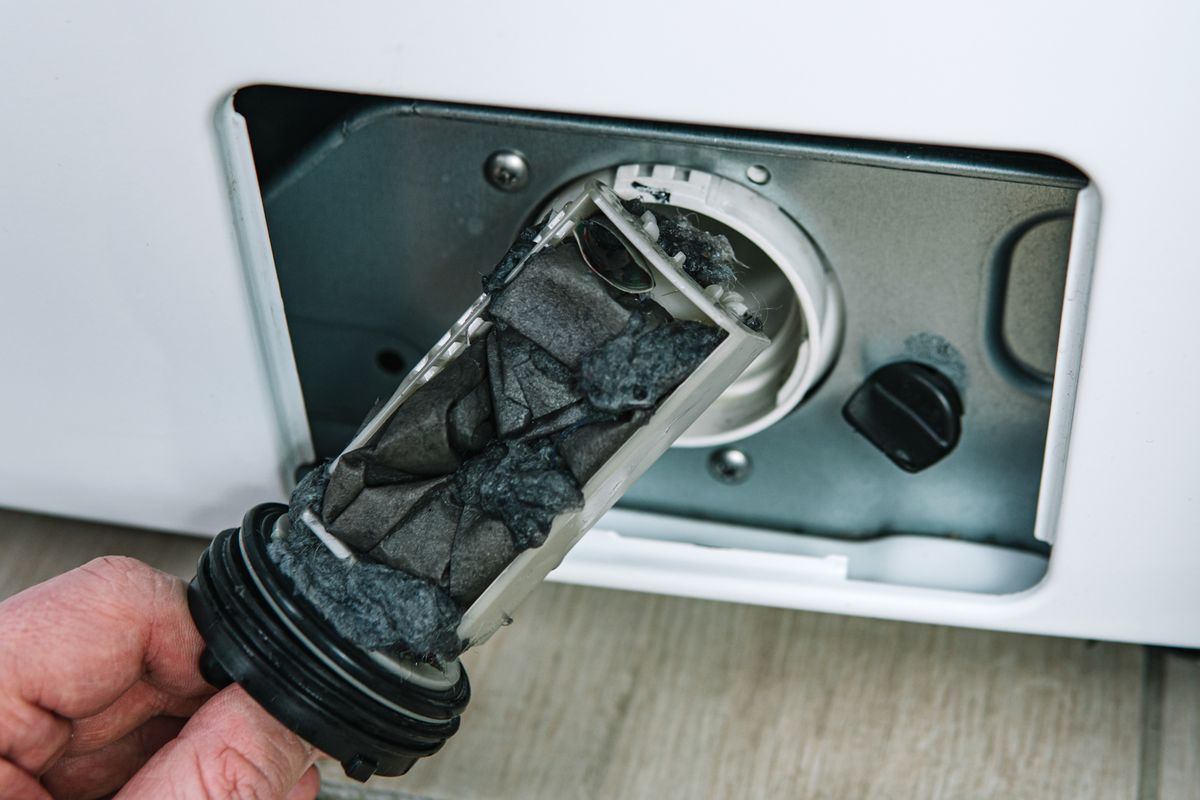
Filters in washing machines are designed to catch particles: loose threads, hair, coins, and bits left in pockets. Typically, these come in three types:
- Pump filters: Stop dirt from entering the pump system.
- Lint filters: Present in some washing models to capture fluff and fabric residues.
- Drain filters: Found in certain models to protect drainage pipes.
This system ensures that your drain isn’t clogged and your machine doesn’t break down prematurely. Depending on the model and type, access and cleaning vary dramatically, some requiring just a little door to pop open, others might hide filters behind panels.
Do All Washing Machines Have These Filters?
The short answer is no. While many modern washing machines come equipped with filters, some, especially basic or older top loaders, might not have a dedicated lint filter. Instead, they rely on water drainage to flush away debris. However, the pump filter is increasingly becoming standard, especially on front loaders.
If your machine lacks a dedicated filter, you might need to use laundry bags for delicates or regularly wipe the drum to prevent lint accumulation that could clog your system over time. Constant neglect equals short lifespan for your appliance.
Maintaining Washing Machine Filters
Think of the guy running a bike repair shop who forgot to check a tiny yet crucial gear — his tools jammed, business stalled. That’s your machine without filter upkeep. Filters full of gunk choke water flow, cause odors, and invite mold. Cleaning your washer filter is not optional; it’s essential.
- Locate your filter: usually near the bottom front (check your manual).
- Have a shallow tray or towel ready—expect residual water spill.
- Unscrew or pop out the filter carefully.
- Clear lint, debris, and gunk using a brush or cloth.
- Rinse filter under warm water.
- Dry and reinstall securely.
Repeat this every month if your laundry load is heavy; less frequently for lighter use. Avoid using harsh chemicals that could damage the filter material.
What Happens If You Don’t Clean Your Washing Machine Filter?
Clogged filters lead to slow draining and unpleasant odors. Worst case? Water leaks and damage to the pump that requires costly repairs. Neglected lint traps can cause your clothes to retain dirt or lint, defeating the purpose of washing. Protect your investment by simple preventive care.
Special Cases: Filter-Less Machines
Some models rely on design features instead of filters, for example, advanced water circulation or self-cleaning cycles. However, even those may have a hidden pump filter you’re unaware of. Newer washing machines with high-efficiency settings use less water, making filters critical for capturing whatever debris is loosened.
Experts at Southern Living highlight the importance of knowing your model’s build to avoid unexpected blockages.
Additional Tips and Alternatives
For machines without built-in filters, consider these hacks:
- Use dedicated laundry bags for smaller, loose items.
- Regularly run a cleaning cycle with washing machine cleaner pods.
- Check and clean your home’s water drainage to avoid build-up.
When to Call Professionals?
If your washing machine consistently warns about drainage issues or displays error codes, and you aren’t confident with DIY, opt for appliance repair professionals. Attempting deep cleaning without knowing your machine’s layout can cause damage.
Certified technicians can also replace worn-out filters or parts. Always keep your appliance guide handy for troubleshooting or reach out online to resources like Town Appliance Blog, which offers detailed tips on lint filter replacement.
Signs Your Washing Machine Filter Needs Attention
- Water drains slower than usual.
- Unusual noises during spin cycles.
- Persistent musty odors inside the drum.
- Increased lint buildup on clothes after washing.
- Visible debris when you open filter access points.
Summary of Key Points
- Not all washing machines have external/visible filters.
- Most modern washers include a pump or lint filter as protection.
- Proper filter care extends machine lifespan and improves laundry results.
- Dirt and debris buildup can cause leaks, noises, and bad smells.
- Use laundry bags and regular maintenance to compensate where filters are absent.
Now, back to the burning question: does all washing machines have filters? No, but the vast majority do in some form. Ignoring their upkeep is the fastest way to hush your machine’s happy hum and invite expensive malfunctions instead.
Remember, your washing machine’s filter is its first line of defense against breakdowns. Treat it well — clean regularly, know your model’s quirks, and when in doubt, consult trusted experts or professional repair services. This approach keeps your laundry spinning smoothly in 2026 and beyond.
For detailed filter cleaning guides specific to your machine model, check reliable sources like BuzzFeed’s washing machine filter cleaning tips for approachable, step-by-step instructions to keep your filter spotless and your appliance happy.
Source: fallonsolutions.com.au

Source: www.youtube.com

Source: lifehacker.com
Frequently Asked Questions
Does every washing machine have a lint filter?
No, not every washing machine has a dedicated lint filter, especially some top loaders. However, many modern front loaders and newer models include lint or pump filters to trap lint and debris.
How often should I clean my washing machine filter?
For most machines with filters, cleaning once a month is recommended if you use the washer heavily. Otherwise, cleaning every 2-3 months is sufficient to prevent buildup and maintain performance.
Can I wash clothes without a washing machine filter?
Yes, but without a filter, you’re at higher risk of lint buildup inside the machine. Using laundry bags for delicate items and regular machine cleaning can help reduce issues.
What are the signs that my washing machine filter is clogged?
Signs include slow draining, unusual noises, water leaks, musty odors, and lint left on clothes after washing. These indicate it’s time to inspect and clean the filter.
Is it safe to clean the filter myself or should I hire a technician?
Most washing machine filters are designed for easy user access and cleaning. However, if you encounter difficulties or your machine has internal filters, it’s best to seek professional help to avoid damage.

With over 15 years of hands-on experience in the appliance repair industry, Erick Jackson is WashingMachineCare’s resident gearhead. He holds multiple manufacturer certifications and specializes in breaking down complex mechanical failures into easy, step-by-step DIY fixes. When he’s not covered in grease, Erick Jackson enjoys restoring vintage washing machines to their former glory.